Bassinet That Attaches to Bed: The Complete Guide
Keep your newborn close through the night without compromising on a separate, firm sleep surface. Learn how attachable bedside bassinets work, what to look for, and how to choose the right model for your family.
Why parents choose an attachable bassinet: Night feeds, soothing, and monitoring become far easier when your baby sleeps within arm's reach. A bassinet that attaches to bed bridges the gap between independent sleep and the closeness newborns need — as long as you choose a model that fits your mattress height and follow safe sleep guidelines.
What Is a Bassinet That Attaches to Bed?
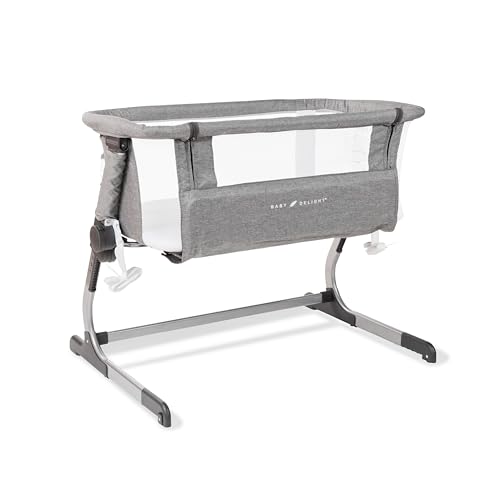
A bassinet that attaches to bed — often called a bedside sleeper or co-sleeper bassinet — is a small, standalone sleep space designed to sit flush against the side of the parents' mattress. Unlike a traditional bassinet placed across the room, an attachable model typically features an adjustable leg height, a side panel that lowers or unzips, and a fastening system that secures the unit to the adult bed frame so there is no dangerous gap between the two sleep surfaces.
The concept solves a common newborn dilemma: babies sleep safer on a firm, flat, separate surface, yet parents need to feed and comfort them multiple times per night. A bedside bassinet delivers both — the infant remains in their own space while the caregiver can reach over without getting out of bed. If you are still comparing sleep-space categories, our broader guide to bassinets explains how these units differ from cradles, cots, and full-size cribs.
Key Benefits of an Attachable Bedside Bassinet
Easier Night Feeding
Lift your baby out for a feed and settle them back without leaving your bed. This is especially valuable in the first weeks when feeds happen every two to three hours.
Closer Monitoring
Being within arm's reach lets you check breathing, temperature, and comfort instantly, which many parents find reassuring during the newborn stage.
Separate Sleep Surface
Your baby sleeps on their own firm, flat mattress rather than sharing an adult bed — a setup that aligns with safe sleep recommendations.
Faster Postpartum Recovery
Less getting up and down means less strain on a healing body, particularly after a C-section or a difficult delivery.
Features That Matter When Choosing a Bedside Bassinet
Not all attachable bassinets are built the same way. Use this checklist to evaluate models before you commit:
- Height adjustability: The bassinet should align precisely with your mattress top. Most models offer multiple height positions; premium tiers often include a wider adjustment range for taller beds.
- Drop-down or zip-down side: A bedside bassinet with a drop-down side makes it simpler to reach your baby during the night. Ensure the lowered panel creates a secure, gap-free connection to your bed.
- Secure attachment mechanism: Straps, brackets, or a locking system should hold the bassinet firmly against the adult bed frame so it cannot drift or tip.
- Firm, flat mattress: A newborn sleep surface must be firm and flat. Avoid models with soft padding, inclined sleep angles, or loose bedding.
- Breathable mesh sides: Mesh panels improve airflow and let you see your baby without leaning over the top rail.
- Locking wheels or stable feet: Easy mobility is useful during the day, but the unit must lock securely in place at night.
- Weight and age limits: Check the manufacturer's maximum weight and the point at which the baby should transition to a crib — usually when they begin to push up or roll.
Types of Attachable Bassinets by Market Tier
To compare models without focusing on numbers, it helps to think in terms of market tiers. Each tier serves a different set of priorities:
| Tier | Typical Characteristics | Best For |
|---|---|---|
| Entry-level | Basic height adjustment, fixed or simple zip side, lightweight frame, fewer accessories | Parents who need a straightforward bedside sleeper for a short newborn phase |
| Mid-range | Wider height range, smoother drop-down mechanism, breathable mesh on multiple sides, rocking or stationary modes | Families who want dependable daily use with more flexibility |
| Premium | Reinforced frame, precision height alignment, tool-free assembly, integrated storage, travel-friendly folding | Parents planning to use the bassinet for several months and possibly for a second child |
| Luxury | High-grade materials, refined design, advanced attachment systems, matching nursery aesthetics | Buyers who prioritize design and long-term durability alongside function |
Entry-level models can be perfectly serviceable, but mid-range and premium tiers generally offer smoother adjustment mechanisms and sturdier attachment hardware. If you are weighing a fixed-side unit against a drop-side model, our comparison of a bedside bassinet with different side designs may help clarify which configuration suits your bed height and routine.
Safety Guidelines for Bedside Sleepers
Non-negotiable safety checks
- Ensure the bassinet sits flush against the adult mattress with no gap — a gap is a suffocation and entrapment hazard.
- Use only the mattress that came with the bassinet; never add pillows, blankets, bumpers, or soft toys inside.
- Always place your baby on their back on a firm, flat surface.
- Lock the attachment straps and wheels before every sleep period.
- Stop using the bassinet once your baby reaches the weight limit or begins to roll or push up.
- Check for recalls and verify that the model meets current safety standards in your region.
If you are also setting up a changing area nearby, a bedside bassinet with a changing table can consolidate nighttime essentials, but keep the changing surface separate from the sleep surface and never leave the baby unattended on it.
How to Match a Bassinet to Your Bed
Fit is the single most important factor with any attachable bassinet. Before buying, measure the height of your mattress top from the floor, the thickness of your mattress, and the clearance under your bed frame. Then confirm that the bassinet's adjustable range covers that height with room to spare. A model that is too low leaves a gap; one that is too high creates an unstable overhang.
Also consider your bed frame type. Platform beds, adjustable beds, and beds with thick pillow-top mattresses each interact differently with attachment straps. Some manufacturers publish compatibility notes for specific bed styles — read them carefully. If you are unsure whether a bedside sleeper or a co-sleeper insert is the better fit for your setup, our guide to the best co-sleeper bassinets compares the main configurations side by side.
Bassinet vs. Bed-Sharing: What Parents Should Know
An attachable bassinet is not the same as bed-sharing. With bed-sharing, the infant sleeps on the adult mattress, which introduces risks from soft bedding, adult movement, and entrapment between the mattress and wall. A bedside bassinet keeps the baby on a separate, purpose-built surface while preserving the closeness parents want. That distinction matters for families who want nighttime proximity without the hazards associated with shared sleep surfaces.
If you are building out a full nursery and sleep setup, pair your bassinet choice with a baby monitor for daytime naps and a baby lounger for supervised awake time. A well-planned sleep zone also benefits from good airflow and a calm environment — our nursery decor section covers layout and lighting ideas that support rest.
Ready to Compare Bedside Bassinets?
Explore curated options and check availability for models that match your bed height and safety needs.
Explore OptionsFrequently Asked Questions
What is a bassinet that attaches to bed?
A bassinet that attaches to bed is a bedside sleeper designed to sit flush against the parent's mattress, giving newborns a separate sleep surface while keeping them within arm's reach for night feeding and soothing.
Is a bedside bassinet safe for co-sleeping?
When used correctly, a bedside bassinet provides a separate, firm sleep surface that reduces the risks associated with bed-sharing. Always follow the manufacturer's assembly instructions and never leave a gap between the bassinet and the adult mattress.
How long can a baby use an attachable bassinet?
Most attachable bassinets are designed for newborns up to about five or six months, or until the baby begins to push up or roll over, whichever comes first.
Does a bedside bassinet need a drop-down side?
A drop-down side is convenient for night feeding and soothing, but it is a preference rather than a requirement. Some parents prefer a fixed-side model with a simple mesh window for visibility.
Final Thoughts
A bassinet that attaches to bed can be one of the most practical purchases for the newborn phase. It supports frequent night feeds, keeps your baby close, and maintains the separate sleep surface that safety guidance recommends. Focus on height compatibility, a secure attachment system, and a firm mattress — then choose the tier that matches how long you plan to use the bassinet and how much adjustability you need. With the right fit, an attachable bedside bassinet makes those early months noticeably easier for the whole family.