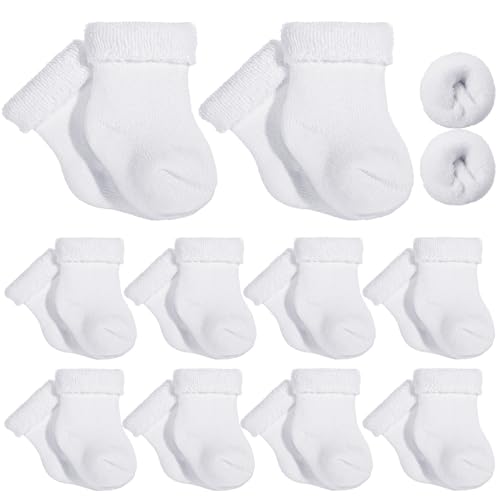
Premature Baby Care: Complete Guide for Parents
Discover everything you need to know about caring for your premature baby — from essential products and feeding tips to developmental milestones and home preparation. Expert guidance to help your preemie thrive.
💜 Understanding Premature Birth: A baby is considered premature (or preemie) when born before 37 weeks of gestation. Premature babies may have unique needs and require special care during their first months. This comprehensive guide covers everything from essential preemie clothes and preemie diapers to feeding equipment and developmental support. Every preemie is unique, and with the right preparation and care, your little one can grow and thrive beautifully.
What Makes Premature Babies Special
🌱 Premature Baby Characteristics
Premature babies may have different needs compared to full-term infants. Understanding these differences helps parents provide the best possible care:
- Smaller size: Preemies are typically smaller and may need specially sized clothing like preemie clothes
- Immature organs: Lungs, digestive system, and immune system may need extra support
- Temperature regulation: Preemies have difficulty maintaining body heat
- Feeding challenges: May have difficulty latching or coordinating suck-swallow-breathe
- Sleep patterns: Different sleep-wake cycles compared to full-term babies
- Developmental milestones: May reach milestones at adjusted age (corrected for prematurity)
🏠 Preparing Your Home for a Preemie
Creating a safe, comfortable environment is essential for your premature baby's well-being. Here's what you need to consider:
- Temperature control: Keep room temperature stable (68-72°F / 20-22°C)
- Humidity: Consider using a humidifier to prevent dry air irritation
- Quiet environment: Reduce noise levels to prevent overstimulation
- Safe sleep space: Use a firm mattress with fitted sheets, no loose bedding
- Hand hygiene: Establish strict hand-washing protocols for all visitors
- Emergency plan: Have contact numbers and transport plan ready
Essential Products for Your Premature Baby
Caring for a premature baby requires specialized products designed for smaller, more delicate infants. Below are the essential items every preemie parent should consider:
👕 Clothing & Diapering
- Preemie Clothes — Specially sized clothing for smaller babies
- Preemie Diapers — Extra small diapers for proper fit
- Newborn Clothes — For when your preemie grows into newborn size
- Muslin Blankets — Lightweight, breathable swaddles
- Baby Snowsuit — Warm outerwear for cooler months
🍼 Feeding & Nutrition
- Infant Formula — Specialized formulas for premature babies
- Baby Bottles — Preemie-friendly slow-flow nipples
- Bottle Warmer — Precise temperature control for milk
- Breastfeeding — Support and supplies for nursing preemies
- Nursing Pillow — Positioning support for feeding sessions
🛏️ Sleep & Safety
- Baby Bassinet — Smaller sleep space for preemies
- Portable Crib — Versatile sleeping option
- Sleep Sack Baby — Safe alternative to loose blankets
- Crib Mattress — Firm support for safe sleep
- Baby Monitors — Peace of mind while your baby sleeps
🧸 Comfort & Development
- Teething Toys — For when teething begins
- Baby Play Mat — Tummy time and sensory development
- Newborn Rattle — Sensory stimulation tools
- Baby Bath Tub — Gentle bathing solutions
- Baby Sunscreen — Protection for sensitive skin
Expert Tips for Caring for Your Premature Baby
Kangaroo Care
Skin-to-skin contact helps regulate your preemie's temperature, heart rate, and breathing. It also promotes bonding and can improve breastfeeding success.
Temperature Monitoring
Preemies have difficulty regulating body temperature. Always check your baby's temperature and keep the room at a comfortable 68-72°F (20-22°C).
Feeding Support
Preemies may need extra help with feeding. Use slow-flow nipples, pace feeding, and consult with a lactation consultant for breastfeeding support.
Infection Prevention
Premature babies have developing immune systems. Wash hands frequently, limit visitors during cold season, and keep up with regular pediatrician visits.
Track Developmental Milestones
Use adjusted age (corrected age) when tracking milestones. Celebrate each small achievement and consult your pediatrician if you have concerns.
Gentle Handling
Support your preemie's head and neck at all times. Move slowly and speak softly to avoid overstimulation. Premature babies benefit from calm, gentle care.
📋 Premature Baby Care Checklist
Use this checklist to ensure you have everything you need for your preemie's homecoming and ongoing care:
Understanding Preemie Development & Adjusted Age
📊 What is Adjusted Age?
Adjusted age (also called corrected age) is the age your premature baby would be if they had been born on their due date. This is important because:
- Milestones should be tracked using adjusted age for the first 2 years
- Your preemie may reach developmental milestones later than full-term babies
- Growth charts should use adjusted age for accurate assessment
- Vaccinations and medical care follow chronological age (birth date)
- Each preemie develops at their own unique pace
🌟 Milestones to Watch For
While every baby is different, here are some general milestones to track (using adjusted age):
- 0-1 month: Reflexes (rooting, sucking, grasping)
- 2-3 months: Begins to smile, lift head briefly
- 4-6 months: Rolls over, reaches for objects
- 6-9 months: Sits with support, babbles
- 9-12 months: Crawls, pulls to stand
- 12-18 months: Walks, says simple words
Remember: Premature babies are fighters — celebrate every achievement!
🚨 When to Call Your Doctor: Contact your pediatrician immediately if your premature baby shows any of these signs: difficulty breathing, persistent fever (100.4°F / 38°C or higher), poor feeding or refusal to feed, extreme lethargy or difficulty waking, fewer wet diapers than usual, jaundice (yellowing of skin or eyes), or any unusual symptoms. Trust your instincts — if something feels wrong, always call your healthcare provider.
Ready to Prepare for Your Preemie?
Explore our complete collection of recommended products for premature babies. From preemie clothes to feeding supplies and sleep essentials, we've curated the best options to help your little one thrive.
Shop Preemie Essentials ↓Frequently Asked Questions About Premature Babies
When will my preemie catch up to full-term babies?
Most premature babies catch up to their full-term peers by age 2-3 years. Using adjusted age for developmental tracking helps you see your baby's progress accurately. Regular check-ups with your pediatrician will monitor your preemie's growth and development.
What size diapers does a preemie need?
Premature babies typically need preemie diapers which are smaller than newborn size. Some babies under 6 lbs may even need micro-preemie size. As your baby grows, you'll transition to newborn and then size 1 diapers. Always check the weight range on the package for the best fit.
How often should I feed my premature baby?
Premature babies typically need to feed more frequently than full-term babies — often every 2-3 hours. Follow your pediatrician's recommendations and your baby's hunger cues. Some preemies may need fortified infant formula or expressed breast milk to ensure proper nutrition and weight gain.
Do preemies need special clothes?
Yes, preemie clothes are designed specifically for smaller babies. Look for easy-access features like front snaps or zippers, footed pajamas for warmth, and soft, breathable fabrics. Avoid clothes with rough seams or tags that could irritate sensitive skin.