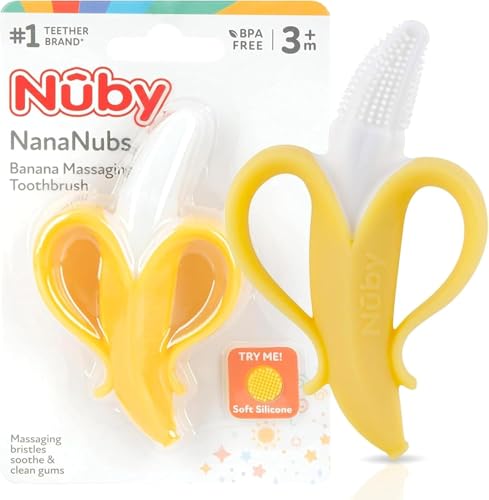
Teething Toys Guide: Soothe Baby's Discomfort
Discover the safest and most effective teething toys to ease your baby's pain. From silicone to wooden teethers, find the perfect match for your little one.
SHOP TOP TEETHERSWhy Teething Toys Matter
Teething is a significant milestone that can bring discomfort and irritability to your baby. The right teething toy not only provides relief but also supports healthy oral development. In this guide, we'll help you choose safe, effective teething toys that your baby will love.
Read on to discover top-rated teethers, essential safety tips, and expert advice to make this phase smoother for both you and your baby.
Benefits of Using Teething Toys
Pain & Gum Relief
- Massages sore gums to reduce discomfort
- Provides counter-pressure to ease teething pain
- Helps distract baby from irritability
Oral & Sensory Development
- Encourages healthy chewing and biting habits
- Stimulates sensory exploration and fine motor skills
- Supports jaw and tooth alignment
Types of Teething Toys
- • Silicone Teethers – Soft, flexible, easy to clean
- • Wooden Teethers – Natural, durable, chemical-free
- • Teething Rings – Classic design, easy to grip
- • Water-filled Teethers – Cooling effect for extra relief
- • Teething Mitts – Wearable for babies who can't grasp
- • Natural Rubber – Eco-friendly, biodegradable options
How to Choose Safe Teething Toys
- Check materials: Opt for BPA-free, phthalate-free, and non-toxic materials like food-grade silicone or natural wood.
- Size & shape: Ensure the toy is large enough not to be a choking hazard, with easy-to-grip handles.
- Easy to clean: Choose dishwasher-safe or easy-to-wipe materials to maintain hygiene.
- Cooling effect: Some teethers can be chilled in the fridge (not freezer) to provide extra soothing.
- No small parts: Avoid toys with detachable parts or liquid-filled items that could leak.
Expert Tips for Teething Relief
- Chill (don't freeze): Refrigerate teething toys to provide cooling relief. Freezing can make them too hard and damage gums.
- Alternate toys: Offer different textures and shapes to keep your baby engaged and soothe different areas of the gums.
- Gentle gum massage: Use a clean finger or a silicone finger brush to gently massage your baby's gums.
- Keep it clean: Clean teething toys regularly with warm soapy water or follow the manufacturer's instructions.
- Supervise always: Never leave your baby unattended with a teething toy to prevent choking or misuse.
Frequently Asked Questions About Teething Toys
When should I start using teething toys?
You can introduce teething toys as early as 3–4 months, when babies typically begin teething. Look for signs like excessive drooling, chewing on hands, or irritability.
Are silicone teething toys safe?
Yes, food-grade silicone teething toys are safe when BPA-free and phthalate-free. Always choose reputable brands and inspect regularly for damage.
Can teething toys be frozen?
It's best to chill teething toys in the refrigerator, not the freezer. Freezing can make them too hard and potentially harm your baby's gums.
How often should I clean teething toys?
Clean teething toys after each use with warm soapy water or according to the manufacturer's instructions. Regular cleaning prevents bacterial buildup.
Ready to Find the Perfect Teether?
Browse our curated selection of top-rated teething toys below and give your baby the relief they deserve.
Shop Teething Toys Now