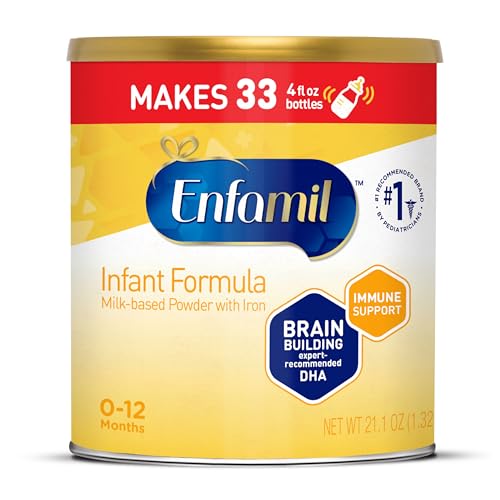
Infant Formula: Complete Guide to Choosing the Best for Your Baby
Whether you're supplementing or exclusively formula feeding, understanding the types, ingredients, and safety standards helps you make the best choice for your little one.
See Top-Rated Formulas →Choosing an infant formula is one of the most important decisions you'll make for your baby's nutrition. With so many options — from breastfeeding supplements to specialized hypoallergenic blends — it's normal to feel overwhelmed. This guide breaks down everything you need to know, from ingredient labels to safety recalls, so you can confidently select a formula that meets your baby's needs and your family's lifestyle.
Types of Infant Formula: Which One Is Right?
🥛 Cow’s Milk-Based
The most common type, modeled after breast milk. Most babies tolerate it well. Look for ones with DHA and ARA for brain development.
~$25–$45 per can🌱 Soy-Based
Lactose-free and plant-based. Ideal for babies with cow's milk allergy or lactose intolerance. Always consult your pediatrician first.
~$28–$50 per can🧪 Hydrolyzed / Hypoallergenic
Proteins are broken down for easier digestion. Recommended for babies with severe allergies or colic symptoms. Often prescribed by doctors.
~$40–$70+ per can🌿 Organic Formula
Made with organic ingredients, no synthetic pesticides or GMOs. Popular brands include Earth's Best and Happy Family Organics.
~$30–$55 per canWhat to Look for on the Label
✅ DHA & ARA
Essential fatty acids that support brain and eye development. Most premium formulas include them.
✅ Iron-Fortified
Iron is crucial for red blood cell production. The AAP recommends iron-fortified formula for all infants.
✅ No Added Sugars
Avoid formulas with corn syrup solids or sucrose as the primary carbohydrate. Look for lactose instead.
Organic vs. Conventional: Does It Matter?
Organic formulas are made with ingredients grown without synthetic pesticides, antibiotics, or hormones. While they often cost more, many parents prefer them for peace of mind. However, conventional formulas are also rigorously tested and meet strict FDA nutritional standards. The choice depends on your budget and personal values. If you're considering organic, brands like baby essentials often have organic lines.
Safety First: Preparing & Storing Formula
🧼 Step-by-Step Safe Preparation
1. Wash your hands thoroughly before handling formula.
2. Sterilize bottles and nipples (especially for newborns).
3. Follow the water-to-powder ratio exactly — too much water can be dangerous.
4. Use cooled boiled water (or distilled) for mixing.
5. Never microwave formula; it can create hot spots.
6. Refrigerate prepared formula and use within 24 hours. Discard any leftover after a feeding.
Formula Feeding FAQs
❓ Can I switch formulas often?
It's best to stick with one formula for at least a week unless your baby shows signs of intolerance. Frequent changes can upset your baby's stomach. Always consult your pediatrician before switching.
❓ Do I need to boil water for formula?
For babies under 3 months, premature infants, or those with weakened immune systems, use boiled water that has been cooled to room temperature. For healthy older babies, distilled or purified water is fine.
❓ Is formula feeding bad for bonding?
Not at all! Feeding is a wonderful bonding time. Skin-to-skin contact, eye contact, and cuddling during bottle feeding are just as nurturing as breastfeeding.
Transitioning from Formula to Solids
Around 6 months, most babies are ready to start solid foods alongside formula. Look for signs like good head control, sitting with support, and showing interest in food. Start with single-ingredient purees like iron-fortified infant oatmeal and gradually introduce fruits and vegetables. Continue formula or breast milk as the primary source of nutrition until the first birthday.
Formula and Colic: What Parents Should Know
Some babies experience excessive fussiness or gas, often called colic. While the exact cause is unknown, certain formulas are designed to be gentler on tiny tummies. If you suspect formula is contributing to your baby's discomfort, talk to your doctor about trying a hydrolyzed or sensitive formula. Understanding colic what is it can help you recognize symptoms and seek the right support. Also, proper burping techniques and paced bottle feeding can reduce gas.
Formula Costs: How to Budget
Formula can be a significant expense, but there are ways to save. Here are a few tips:
- Buy in bulk – larger cans or multi-packs often offer better value.
- Join rewards programs – many brands offer coupons and samples.
- Check for generic/store brands – they are regulated and often just as nutritious as name brands.
- Ask your pediatrician – they often have samples or can suggest cost-effective options.
Choosing the Right Formula: Your Next Step
You've done the research — now it's time to pick a formula that fits your baby and your lifestyle. Every baby is unique, so trust your instincts and your pediatrician's guidance. The best formula is the one that keeps your baby healthy, happy, and growing.
Below, you'll find a curated list of top-rated infant formulas from trusted brands. These are some of the most popular and well-reviewed options available today.