Preemie Clothes Guide: Outfits for Premature Babies
Dressing a premature baby requires special attention to fit, safety, and comfort. Our comprehensive guide helps you choose the best preemie clothes for your NICU warrior or newborn.
SHOP PREEMIE CLOTHESWhat Are Preemie Clothes? Preemie clothes are specially designed for babies born before 37 weeks of gestation. They are smaller than newborn sizes, with features like easy-access openings for medical wires and gentle fabrics for sensitive skin.
Understanding Preemie Sizing
One of the most common challenges parents face is finding clothes that actually fit their premature baby. Preemie sizes typically range from up to 5 lbs (Micro Preemie) to 5–8 lbs (Preemie). Here's a breakdown:
- Micro Preemie (up to 5 lbs): For babies born before 28 weeks or weighing under 5 lbs. Very limited options; often requires NICU-specific clothing.
- Preemie (5–8 lbs): The most common size for premature babies born at 32–37 weeks. Fits babies who are smaller than the typical newborn.
- Newborn (8–10 lbs): Not technically preemie, but some smaller newborns may wear preemie size for a few weeks.
Always check the brand's size chart, as preemie sizing can vary significantly between manufacturers. Many parents find that newborn clothes are too large for their preemie, making preemie-specific sizing essential.
What to Look For in Preemie Clothes
Not all baby clothes are suitable for premature babies. Here are the critical features that make preemie clothing safer and more comfortable:
- Easy-Access Openings: Look for snaps or zippers that open completely to allow medical wires and monitor leads to pass through without removing the entire outfit.
- Soft, Seamless Fabric: Premature skin is extremely delicate. Choose 100% cotton or bamboo fabrics with flat seams to prevent irritation.
- Front-Opening Styles: Zippers or snaps in the front make dressing easier and minimize movement, which is crucial for fragile preemies.
- Built-in Mittens: Prevent scratching with fold-over cuffs that cover tiny hands.
- No Loose Threads or Embellishments: Avoid any small buttons, bows, or decorations that could pose a choking hazard or irritate sensitive skin.
For more general information on keeping your baby comfortable, check out our guide on newborn diapers and other baby essentials for the early weeks.
Best Types of Preemie Clothing
Different occasions and needs call for different types of preemie outfits. Here are the most practical and popular options:
- Preemie Onesies / Bodysuits: The staple of any preemie wardrobe. Choose snap-front or kimono-style onesies for easy dressing and wire access.
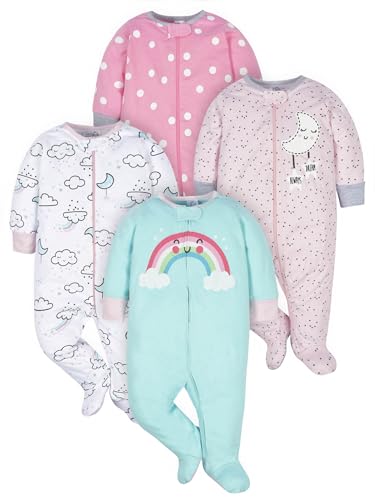
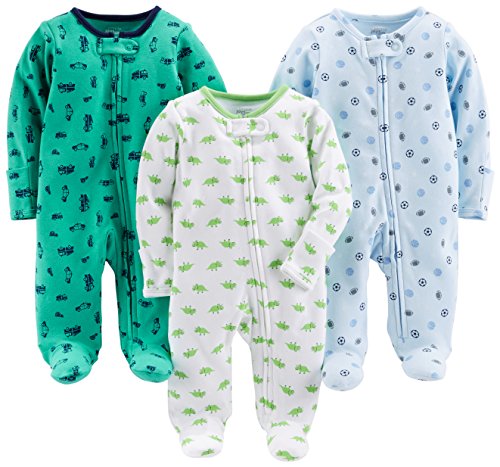
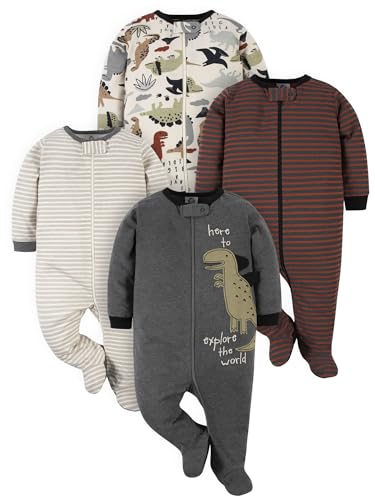
- Preemie Pajamas / Sleepers: One-piece footed pajamas with zippers are ideal for keeping your baby warm and cozy during sleep.
- Preemie Gowns: Open-bottom gowns are excellent for nighttime changes and NICU stays, as they allow easy access without full undressing.
- Preemie Socks & Booties: Keep tiny feet warm with soft, non-slip socks or booties that stay on.
- Preemie Swaddles: Swaddling provides comfort and security. Look for preemie-specific swaddles that are smaller and lighter.
If your baby is already growing out of preemie size, you might want to explore toddler clothes or baby boy shoes for later stages. For now, focus on getting the best fit for your preemie.
Dressing Tips for Premature Babies
Dressing a preemie requires patience and gentle handling. Follow these expert tips to make the process safer and easier:
- Layer Smartly: Preemies have trouble regulating body temperature. Dress them in one more layer than you would wear yourself, but avoid overheating.
- Use the "Back-to-Front" Method: Place the baby on top of the opened outfit and gently guide arms and legs into the sleeves and leg openings.
- Keep Medical Devices in Mind: If your baby has monitors or IV lines, choose outfits with strategically placed openings to accommodate them.
- Prioritize Comfort Over Style: While cute outfits are tempting, always prioritize function, comfort, and safety for your preemie.
- Wash Before First Use: Preemie skin is hypersensitive. Wash all new clothes with a gentle, fragrance-free detergent.
For more insights into caring for your premature baby, you might find our articles on premature baby care and free baby boxes helpful for additional resources.
Where to Buy Preemie Clothes
Finding preemie clothes in stores can be challenging, as many retailers stock limited preemie sizes. Here are the best places to find a good selection:
- Online Marketplaces: Amazon offers a wide variety of preemie clothes from multiple brands, with customer reviews to help you choose.
- Specialty Baby Stores: Stores like BuyBuy Baby and local boutiques often carry dedicated preemie lines.
- Brand Websites: Brands like Carters, Gerber, and Burt's Bees Baby have preemie collections available directly.
- NICU Gift Shops: Many hospitals have shops that sell preemie and NICU-specific clothing.
- Second-Hand Options: Facebook Marketplace, Poshmark, and thrift stores can be great sources for gently used preemie clothes at lower prices.
When shopping online, always read reviews carefully to gauge real-world fit, as preemie sizing can be inconsistent. You may also want to consider a baby registry to help friends and family find the right preemie items for your baby.
How Much Do Preemie Clothes Cost?
Preemie clothes are generally priced similarly to newborn clothes, though some specialty or NICU-friendly designs may cost more. Here are typical price ranges:
- Basic Onesies: $10–$20 per pack (3–5 pieces)
- Sleepers & Pajamas: $15–$30 per piece
- Gowns: $12–$25 per piece
- Swaddles: $20–$40 per pack
- Multi-Piece Gift Sets: $30–$60+
Prices can vary based on brand, materials (organic cotton, bamboo), and design complexity. Investing in a few high-quality, versatile pieces is often better than buying many cheaper items that may not fit well or be comfortable for your baby.
For budget-conscious parents, consider free baby stuff and government programs that sometimes offer clothing assistance for premature infants.
Caring for Preemie Clothes
Proper care will extend the life of your preemie clothes and ensure they remain gentle on your baby's skin:
- Wash Before First Wear: Always wash new preemie clothes before putting them on your baby.
- Use Gentle Detergent: Choose a fragrance-free, hypoallergenic detergent designed for sensitive skin.
- Wash in Warm Water: Avoid hot water, which can shrink fabrics and irritate skin.
- Tumble Dry Low: High heat can damage delicate fabrics and elastic. Air drying is ideal.
- Check for Wear: Regularly inspect clothes for loose threads, worn-out snaps, or frayed edges.
If you need guidance on other baby care topics, we have articles on diaper bags, changing tables, and other nursery furniture to help you prepare a comfortable environment.
Frequently Asked Questions About Preemie Clothes
Q: How long will my baby wear preemie clothes?
A: It depends on your baby's growth rate. Some babies outgrow preemie size within 1–2 weeks, while others may wear them for 1–2 months. It's best to buy only a few pieces initially and purchase more as needed.
Q: Can I use newborn clothes for my preemie?
A: Newborn clothes are generally too large for preemies. They can pose a safety risk due to loose fabric. Use preemie-specific sizes until your baby reaches the appropriate weight and length.
Q: Are there specific brands that fit preemies better?
A: Brands like Carters, Gerber, and Burt's Bees Baby offer reliable preemie sizing. Always check customer reviews for feedback on fit, as some brands run larger or smaller.
Q: What is the best material for preemie clothes?
A: Soft, breathable materials like 100% cotton or bamboo are ideal. These fabrics are gentle on sensitive skin and help regulate body temperature.
If you have a specific question about your baby's needs, always consult your pediatrician or NICU nurse for personalized advice.
Conclusion: Dressing Your Preemie with Confidence
Choosing the right preemie clothes is an important step in caring for your premature baby. By focusing on proper sizing, safe materials, and practical features, you can keep your little one comfortable and protected. Remember to prioritize function over fashion, and don't hesitate to ask for help from healthcare providers if you're unsure about sizing or dressing techniques.
With the right knowledge and a few well-chosen pieces, you can navigate the preemie clothing journey with confidence. Explore our recommended products below to find high-quality preemie clothes that will keep your baby cozy and safe.
For more information on preparing for your baby's arrival, check out our guides on baby registries and baby essentials.