Newborn Clothes Guide
Comfortable, safe, and adorable outfits for your little one's first days. Learn how to choose the best fabrics, sizes, and essential pieces.
Welcoming a newborn is an exciting journey, and choosing the right clothes is one of the first and most delightful tasks for new parents. With so many options available, it can be overwhelming. This guide is designed to simplify your decision-making process. We cover everything from the best fabrics for sensitive skin to the must-have items that will make dressing your baby a breeze. Whether you are shopping for your own baby or looking for a thoughtful baby girl gift or baby boy gift, understanding the basics of newborn clothing is essential.
Newborns grow rapidly, and they have very specific needs when it comes to clothing. Unlike older babies, they need outfits that are easy to put on and take off, especially during frequent diaper changes. Prioritizing comfort, safety, and practicality over fashion trends ensures that your baby stays happy and you stay sane. We'll break down the essential types of clothing, discuss fabric safety, and help you estimate how many pieces you'll actually need for the first few months.
Key Considerations for Newborn Clothes
Before you start filling your shopping cart, it's important to understand a few fundamental factors that will guide your choices. The right newborn clothes should prioritize your baby's delicate skin and mobility.
Fabric & Material
Choose soft, breathable, and hypoallergenic fabrics. Organic cotton is a top choice as it is gentle on sensitive skin and free from harsh chemicals. Avoid synthetic materials that can trap heat and cause irritation. Muslin blankets are a great example of a breathable fabric that is perfect for swaddling and layering.
Ease of Dressing
Look for features like envelope necklines, snaps, and zippers that make dressing quick and stress-free. Footed sleepers are a lifesaver, eliminating the need for separate socks. Consider pajama onesies that are designed with convenience in mind, perfect for those middle-of-the-night changes.
Safety First
Always check for loose buttons, long ribbons, or any choking hazards. Ensure that clothing fits well but is not too tight, as this can restrict movement. Avoid clothes with drawstrings or cords around the neck. For peace of mind, infant ear muffs can also be a safe and practical addition for noisy environments.
Sizing & Growth
Newborn sizes (NB) typically fit babies up to 7-8 pounds. However, babies come in all sizes. It's wise to buy a mix of newborn and 0-3 month sizes to accommodate rapid growth. Keep in mind that your baby might skip the newborn size entirely! For preemies, you might need preemie clothes for the first few weeks.
Newborn Clothing Essentials: What You Really Need
When building your baby's wardrobe, focus on versatility and functionality. You don't need a massive closet full of outfits; instead, invest in a solid collection of basics that can be mixed and matched. Here's a breakdown of the essential items every newborn needs, along with practical tips for each.
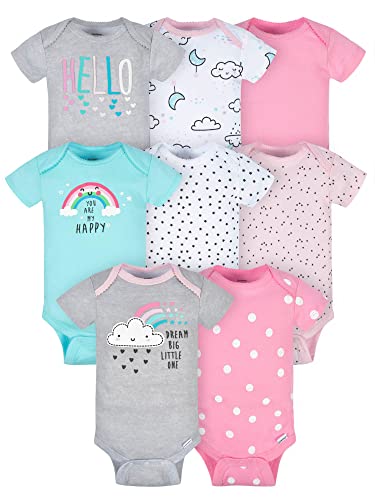
- Bodysuits (Onesies): The foundation of any newborn wardrobe. Opt for short-sleeve and long-sleeve options, ideally with a lap neck for easy dressing. Aim for 4-6 bodysuits as a starting point.
- Sleepers & Footies: These are a parent's best friend. They keep your baby warm and are perfect for sleep and play. Look for zippered or snap-front styles for quick changes. You'll want at least 4-5 sleepers.
- Swaddles & Receiving Blankets: Swaddling helps babies feel secure and promotes better sleep. Muslin blankets are versatile and breathable, making them ideal for swaddling, as a nursing cover, or a light stroller blanket.
- Shirts & Tops: Kimono-style tops are fantastic for newborns because they don't have to go over the head. They are easy to layer over bodysuits for added warmth.
- Pants & Leggings: Soft, elastic-waist pants are easy to put on and pair well with bodysuits or tops. They provide extra warmth for your baby's legs.
- Socks & Booties: Tiny socks and booties keep little feet warm. Choose ones that stay on well to avoid losing them. When your baby starts moving, a proper infant shoe size will become important, but for now, socks are sufficient.
- Hats & Mittens: Newborns lose a lot of heat through their heads, so a soft hat is essential for outdoor trips. Mittens prevent scratching and keep tiny hands warm.
💡 Pro Tip: Stick to neutrals and mix-and-match pieces. This makes it easier to create outfits and simplifies the laundry routine. As your baby grows, you can expand into more decorative options like a holiday-themed onesie or a adorable bonnet for special occasions.
Dressing for the Weather & Special Needs
Your baby's clothing needs will change with the seasons and their specific health requirements. Being prepared for different weather conditions and potential needs like colic or sensitive skin can make a big difference in your baby's comfort.
For warmer months: Lightweight, breathable fabrics like cotton are crucial. Use a light onesie and a muslin swaddle. Avoid overdressing, as overheating is a risk for newborns. Baby swimsuits are great for summer outings, but ensure they come with UV protection.
For colder months: Layering is key. Start with a long-sleeve bodysuit, add a warm sleep-and-play, and top it off with a baby snowsuit if you're going outside. Always monitor your baby to ensure they are not too hot or too cold. A good rule of thumb is to dress your baby in one more layer than you would wear in the same temperature.
Special Considerations: If your baby has colic or is particularly fussy, you might find that certain fabrics or tight-fitting clothes worsen their discomfort. Loose, soft clothing in gentle colors can be more soothing. For babies with skin conditions, always choose fragrance-free and hypoallergenic options. Every baby is unique, so pay attention to their cues and adjust their wardrobe accordingly.
Smart Buying Tips & Budgeting
Building a newborn wardrobe doesn't have to break the bank. With a few smart strategies, you can have everything you need without overspending. Remember, your baby will outgrow these clothes quickly, so it's wise to buy efficiently.
- Start with the basics: Focus on the essential items we listed above. Once you have those, you can add a few "cute" pieces.
- Buy in multiples: Newborns go through multiple outfits a day. Having 5-7 bodysuits and sleepers ensures you always have a clean set ready.
- Consider second-hand: Many newborn clothes are barely worn because babies grow so fast. Gently used clothes from consignment stores or online marketplaces can save you a lot of money.
- Use a baby registry: This is a great way to let friends and family help you stock up on essentials. You can list specific items like newborn clothes, newborn diapers, and other gear you'll need. It ensures you get exactly what you want and reduces duplicate purchases.
- Don't forget the accessories: Items like bassinet sheets and burp cloths (if you have a dedicated link) are just as important as the clothes themselves for a newborn's daily routine.
Preparing for the First Few Weeks
Those first weeks at home are a beautiful blur of feedings, diaper changes, and sleepless nights. Having the right clothes makes everything just a little bit smoother. Organize your baby's clothes by size so you can easily grab what you need. Keep the most frequently used items, like bodysuits and sleepers, at the top of the drawer.
Remember that comfort for you and your baby is paramount. Choose clothes that make breastfeeding or bottle-feeding easy. Nursing-friendly tops or dresses (for you) and easy-snap sleepers (for baby) will save you time and frustration. Ultimately, the best newborn clothes are the ones that keep your baby cozy and allow you to focus on bonding and enjoying these precious first moments.
With this guide, you are now well-equipped to make confident and informed choices. Happy shopping, and congratulations on your new arrival!