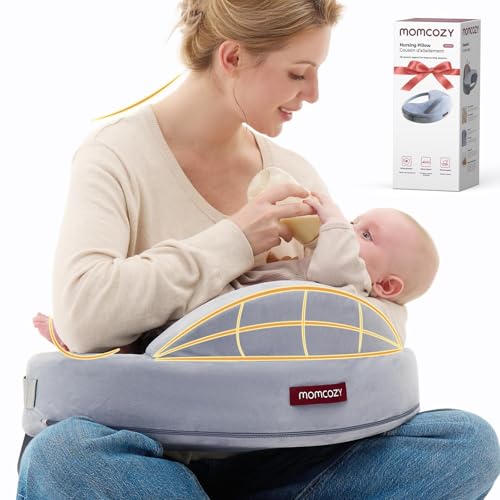
Nursing Pillow Buying Guide
Find the perfect support for your breastfeeding journey. Compare shapes, materials, and top-rated pillows to ensure comfort for you and your baby.
Why You Need a Nursing Pillow
A nursing pillow is more than just a cushion—it's an essential tool that can transform your breastfeeding or bottle-feeding experience. By properly positioning your baby at the correct height, a good nursing pillow reduces strain on your back, neck, and shoulders, allowing you to feed comfortably for longer periods. It also helps your baby latch more effectively, which can prevent sore nipples and improve milk transfer.
Whether you're a first-time mom or adding to your family, the right nursing pillow provides consistent support, frees up your hands, and makes feeding sessions more enjoyable for both of you. Many parents also use these pillows for tummy time, sitting support, and even as a cozy lounger for their little one.
When choosing a nursing pillow, consider your body type, feeding positions you prefer, and the pillow's filling material. Some pillows are firmer and retain their shape, while others are softer and more moldable. We'll break down everything you need to know to make the best choice for your family.
Key Features & Types of Nursing Pillows
Nursing pillows come in various shapes and sizes, each designed to support different feeding styles and body types. Understanding these differences is crucial to finding the perfect match.
Shape & Design
- C-Shaped (Horseshoe): The most common shape. Wraps around your waist and provides a flat surface for baby to lie on. Great for cradle and cross-cradle holds.
- U-Shaped: Offers more back support and can be used behind your back or around your waist. Versatile for different positions.
- L-Shaped / Wedge: Smaller and more portable. Ideal for travel or for parents who prefer a more compact support.
- O-Shaped: A full circle that provides 360-degree support. Often used as a floor lounger for baby as well.
Filling Material
- Polyester Fiberfill: Lightweight and affordable, but may flatten over time. Good for occasional use.
- Memory Foam: Conforms to your body shape and bounces back. Provides excellent support and durability.
- Microbeads / Buckwheat: Moldable and firm. Adjustable support but can be heavy and noisy.
- Organic Cotton / Natural Fill: Hypoallergenic and eco-friendly. Often combined with other materials for structure.
Other Considerations
- Machine-Washable Cover: Essential for easy cleaning. Look for removable, washable covers.
- Adjustable Straps: Some pillows have straps to secure them around your waist, keeping them in place.
- Height & Firmness: The pillow should bring baby to the breast, not the other way around. Firmness affects how much the baby sinks in.
Top Nursing Pillow Styles & Price Ranges
Based on current market trends, nursing pillows typically range from $30 to $80, with premium models costing up to $120. Here’s a comparison of popular types and what you can expect to pay:
Classic C-Shape
Most popular, versatile for all feeding positions.
$35–$65
Good for: Everyday use
Memory Foam
Superior support, retains shape, longer lasting.
$60–$100
Good for: Extended feeding sessions
U-Shape (Back Support)
Wraps around back and waist, excellent posture.
$50–$80
Good for: Parents with back issues
Compact/Travel
Lightweight, portable, wedge or mini C-shape.
$25–$45
Good for: On-the-go feeding
Prices vary by brand, material, and added features like organic covers or adjustable firmness. We recommend investing in a pillow that matches your primary feeding position and body type for the best long-term value.
Tips for Using Your Nursing Pillow
Getting the most out of your nursing pillow involves more than just placing it on your lap. Follow these expert tips to ensure proper positioning and comfort:
- Bring Baby to the Breast: Position the pillow so it elevates your baby to the level of your breast, rather than leaning forward to meet them. This prevents back and neck strain.
- Use It for Tummy Time: Lay your baby across the pillow on their tummy for a gentle, inclined tummy time session that helps strengthen neck and shoulder muscles.
- Support Your Back: If your pillow has a strap, use it to secure the pillow around your waist. Place a small cushion behind your lower back for added support.
- Keep It Clean: Always wash the cover according to manufacturer instructions. Some pillows have a waterproof liner under the cover to protect the filling from spills.
- Experiment with Positions: Don't be afraid to try different holds (cradle, cross-cradle, football) to see which is most comfortable. The pillow can adapt to various positions.
Choosing the Right Nursing Pillow for You
Every parent is unique, and so is every baby. When selecting a nursing pillow, consider your specific needs. If you're petite, a thinner or adjustable pillow may work best. For taller parents, a thicker, firmer pillow can bridge the gap. If you plan to use the pillow for multiple purposes—like tummy time or sitting support—a versatile U-shape or O-shape might be ideal.
For additional guidance on feeding equipment, you might find our bottle warmer guide useful for pumping and bottle-feeding moms. If you're also looking for a comfortable spot to nurse in any room, consider our recommendations for the best nursing chairs to complete your nursery setup.
And if you're still in the early planning stages, don't miss our comprehensive baby essentials checklist to ensure you have everything you need. For more support-related products, check out our nuzzle pillow article for additional comfort options.
Ready to find your perfect nursing pillow? Explore our curated selection of top-rated pillows below. Each product is chosen for quality, comfort, and value. Your breastfeeding journey deserves the best support.