Choosing the Perfect Baby Bassinet
A safe, comfortable sleep space for your newborn, designed with you in mind.
LEARN MOREExpert Insight: For those first few months, a baby bassinet offers the ideal sleep solution. It provides a cozy, contained space that keeps your newborn safe and close, making nighttime feedings and comforting easier. This guide breaks down everything you need to know to make the best choice for your family.
What is a Baby Bassinet?
A baby bassinet is a small, portable bed designed for newborns up to around 4-6 months of age, or until they begin to push up on their hands and knees. Unlike a crib, which is larger and intended for long-term use, a bassinet is compact and often features a smaller footprint, making it perfect for keeping beside your bed. Many modern bassinets also offer features like gentle rocking, vibration, or soothing sounds to help your baby sleep more soundly.
Key benefits of using a bassinet include:
- Safety & Proximity: Keeps your newborn in the same room for safe sleep practices, as recommended by the AAP.
- Portability: Easily move the bassinet from room to room, allowing you to keep an eye on your baby throughout the day.
- Space-Saving: An excellent choice for smaller nurseries or apartments where a full-size crib might not fit.
- Convenience: Makes middle-of-the-night feedings and comforting more manageable.
When selecting a bassinet, it's important to consider the mattress quality and ensure the overall build is sturdy and meets current safety standards.
Types of Bassinets: Finding the Right Fit
Choosing the right type of bassinet depends on your lifestyle, space, and specific needs. Here are the most common types available:
Standard Bassinet
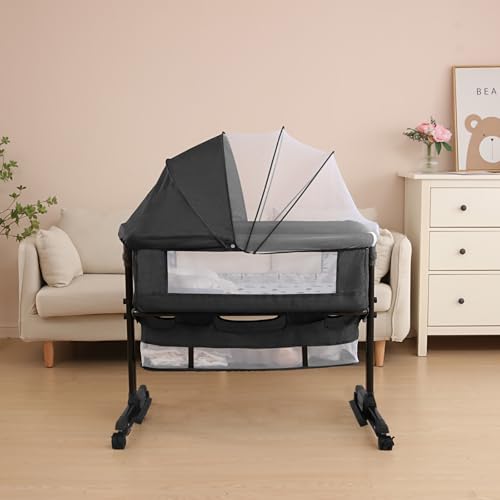
These are the classic, straightforward bassinets. They offer a simple, sturdy frame, a firm mattress, and often come with a canopy or storage basket underneath.
Bedside Sleeper
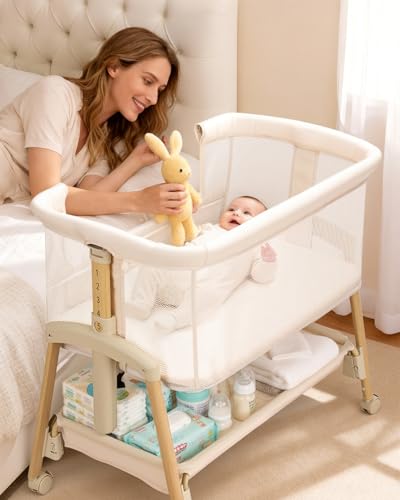
Designed to attach securely to the side of your adult bed, a bedside sleeper allows for easy access and the ultimate convenience for breastfeeding mothers. Some models even allow you to lower one side for skin-to-skin contact.
Portable / Travel Bassinet
Lightweight and often foldable, travel bassinets are ideal for families on the go. They are easy to set up and store, making them a great choice for visiting relatives or vacations.
Smart Bassinet
These high-tech bassinets come with features like automatic rocking, white noise machines, and even built-in sensors that can detect your baby's cry and respond with soothing motions.
Key Features to Consider
Before making a purchase, consider the following features to find a bassinet that fits your needs:
- Safety Certifications: Ensure the bassinet is JPMA certified and meets all safety standards set by the CPSC.
- Mattress and Sheets: A firm, well-fitting mattress is crucial. Look for fitted sheets that are designed for your bassinet model to ensure a snug fit. Consider bassinet sheets that are soft and breathable.
- Portability and Wheels: Wheels with brakes make moving the bassinet a breeze. This is a great feature for keeping your baby close during the day.
- Weight Capacity and Size: Check the weight and height limits to know how long your baby will be able to use the bassinet.
- Extra Features: Consider whether you need features like vibration, music, a nightlight, or a storage basket for diapers and wipes.
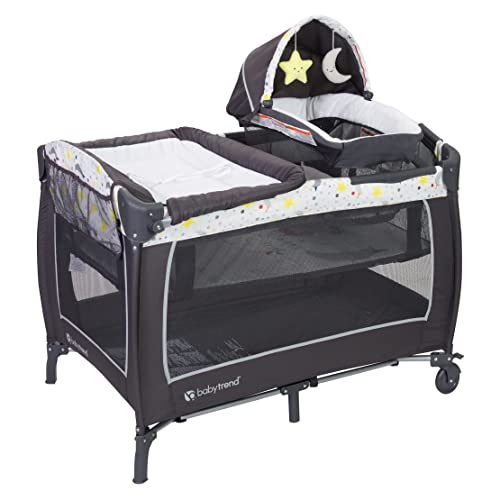
For parents who value flexibility, a portable playard can sometimes serve a similar purpose, though they are generally larger and less cozy than a dedicated bassinet.
Bassinet Safety Tips
Your baby's safety is the highest priority. Here are some essential safety tips for using a bassinet:
- Place on a Flat Surface: Always place the bassinet on a firm, flat surface to prevent tipping.
- Use the Right Mattress: Only use the mattress that comes with the bassinet or a manufacturer-recommended replacement.
- Keep it Clear: Do not place pillows, blankets, or soft toys inside the bassinet. The free baby stuff offered by some companies might not be appropriate for sleep.
- Follow Weight Limits: Stop using the bassinet as soon as your baby reaches the maximum weight limit or shows signs of rolling or pushing up.
- Regular Inspections: Check for any loose parts, broken parts, or wear and tear regularly.
When to Transition to a Crib
Knowing when to move your baby from a bassinet to a crib is important for their safety and development. Generally, you should consider the transition when:
- Your Baby Reaches the Weight Limit: The bassinet's weight limit is usually around 15-20 pounds.
- Your Baby Starts to Roll Over: Once your baby shows signs of rolling, they need a larger sleep space.
- Your Baby Pushes Up on Hands and Knees: This indicates they are becoming more mobile and could potentially climb out of a bassinet.
When it's time to transition, a portable crib can be a great intermediate option, providing a safe and contained sleep environment that's still smaller than a full-size crib. Many parents also appreciate a baby play yard as a versatile space for sleep and play as their baby grows.
Ready to Choose Your Bassinet?
Browse our selection of top-rated bassinets and find the perfect sleep solution for your newborn.
SHOP BASSINETS