Potties for Potty Training: The Complete Guide
Choosing the right potty is the first step toward training success. Learn about potty types, essential features, and expert tips to help your toddler transition from diapers to independence with confidence.
Explore Potty TypesWhy the right potty matters: A comfortable, secure potty encourages your child to sit longer and feel confident. The wrong fit—too high, too slippery, or too intimidating—can delay progress. This guide breaks down the features that matter so you can choose with confidence and make training smoother for everyone.
Understanding Potty Training Potties
Potty training is a major milestone, and the potty itself is your most important tool. The market offers two main categories: standalone potty chairs that sit on the floor and potty seats that fit over the adult toilet. Each has distinct advantages depending on your child's age, confidence level, and your home layout. Standalone potties are excellent for beginners because they are low to the ground, easy to access, and feel less intimidating than a full-size toilet. Toilet-mounted seats are ideal for older toddlers who are ready to transition to adult plumbing and want to feel like "a big kid."
Beyond the basic type, features like splash guards, non-slip bases, and removable bowls make a real difference in daily use. For boys, a higher splash guard is essential to prevent mess. For children who crave independence, a potty seat with a built-in ladder or a separate potty training step stool allows them to climb up and sit down without help. If you travel frequently, a portable potty ensures consistency away from home. And when your child is ready to move from the potty to the toilet, a potty training toilet seat bridges the gap.
Types of Potties for Potty Training
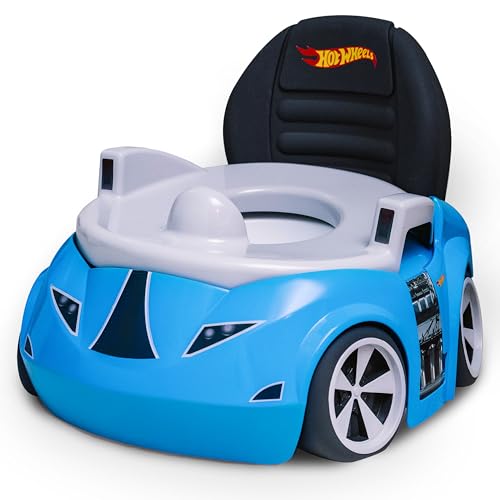
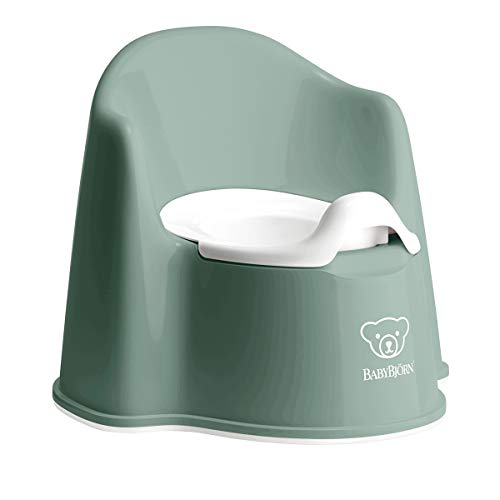
Standalone Potty Chair
A floor-level potty with a removable bowl. Best for beginners and children who feel nervous about the adult toilet. Low profile makes it easy to sit down and stand up.
Best for: Toddlers aged 18–30 months, early trainers, and homes with multiple bathrooms.
Essential tierPotty Seat with Splash Guard
Fits over the adult toilet seat. The splash guard is especially important for boys to prevent urine from spraying out. Portable and space-saving.
Best for: Toddlers transitioning to the adult toilet, families with limited floor space, and travel.
Mid-tierPotty Seat with Ladder & Step Stool
Combines a toilet seat adapter with a built-in ladder and step. Gives toddlers the independence to climb up and sit down on their own. Sturdy construction is key.
Best for: Independent toddlers aged 2+ who want to use the adult toilet without help.
Premium tierPortable / Travel Potty
Folding or compact potty that fits in a diaper bag or car trunk. Essential for road trips, park visits, and outings where bathrooms may be unavailable or unsanitary.
Best for: Families on the go, frequent travelers, and parents of early trainers.
Mid-rangePotty Training Seat for Oval Toilets
Specially shaped to fit elongated or oval toilet bowls. Ensures a secure, wobble-free fit. Many models include adjustable handles and splash guards.
Best for: Homes with oval or elongated toilets, and toddlers who need a stable seat.
Mid-tierStep Stool + Seat Combo
A separate step stool paired with a toilet seat adapter. Offers flexibility—the stool can also be used at the sink for handwashing. Often more stable than integrated ladders.
Best for: Families who want versatility and long-term use beyond potty training.
Balanced tierKey Features to Look For
Not all potties are created equal. The right features improve comfort, safety, and hygiene—and make your child more willing to use the potty consistently.
- Splash guard: Essential for boys. A taller, wider guard prevents urine from escaping the bowl. Look for guards that are removable for easy cleaning.
- Non-slip base: Prevents the potty from sliding on tile or hardwood floors. Rubberized feet or a textured bottom are must-haves for safety.
- Removable bowl: Makes emptying and cleaning much easier. Look for bowls with a handle or lip for easy removal.
- Contoured seat: A comfortable, ergonomic seat encourages longer sitting. High backrests provide support for toddlers who are still developing core strength.
- Built-in handles: Give your child something to hold onto for stability and confidence, especially when using a toilet-mounted seat.
- Adjustable fit: For toilet-mounted seats, adjustable arms or clamps ensure a secure fit on different toilet bowl shapes and sizes.
- Easy-clean materials: Smooth, non-porous surfaces resist stains and odors. Avoid fabrics or crevices that trap moisture.
- Ladder stability: For seats with ladders, check for wide, non-slip steps and a locking mechanism that keeps the ladder firmly in place.
Potty Type Comparison
| Type | Best For | Tier | Key Advantage |
|---|---|---|---|
| Standalone Potty Chair | Beginners, early trainers | Essential tier | Low, secure, and non-intimidating |
| Potty Seat with Splash Guard | Boys, toilet transition | Mid-tier | Prevents mess, space-saving |
| Seat with Ladder & Step Stool | Independent toddlers | Premium tier | Self-sufficient use of adult toilet |
| Portable / Travel Potty | On-the-go families | Mid-range | Consistency away from home |
| Seat for Oval Toilets | Elongated toilet bowls | Mid-tier | Secure, wobble-free fit |
| Step Stool + Seat Combo | Versatile households | Balanced tier | Multi-use beyond training |
Practical Potty Training Tips
Watch for Readiness Signs
Staying dry for two hours, showing interest in the bathroom, and being able to pull pants down are all signs your child is ready. Rushing the process often backfires.
Create a Routine
Sit your child on the potty at consistent times—after meals, before bath, and before bed. Routine builds habit and reduces resistance.
Use Positive Reinforcement
Praise effort, not just results. A sticker chart or a simple high-five goes a long way. Avoid punishment for accidents, which can create anxiety.
Dress for Success
Elastic waistbands and easy-to-pull-down clothing make independence easier. Avoid buttons, zippers, and tight overalls during the training phase.
Keep the Potty Accessible
Place a potty in the bathroom your child uses most. A second potty in another room can reduce accidents during play.
Stay Consistent Across Caregivers
Ensure grandparents, babysitters, and daycare providers follow the same routine and use the same potty type. Consistency accelerates progress.
Related Potty Training Resources
Explore our detailed guides to build a complete potty training strategy:
- Potty Training: The Complete Guide for Parents — A step-by-step overview of the entire process, from readiness signs to nighttime dryness.
- Potty Training Tips for a Smooth Transition — Practical advice for handling accidents, resistance, and regressions.
- Potty Training Underwear: Choosing the Right Style — How to select training pants that support independence and absorb accidents.
- Potty Training Seats with Splash Guards — Features to look for, especially for boys.
- Potty Training Seats with Step Stool & Ladder — Independence-boosting options for older toddlers.
- Potty Training Seats for Oval Toilets — Finding a secure fit for elongated bowls.
- Toilet Seats with Ladders — A closer look at integrated ladder designs.
- Potty Training Toilet Seats — General buying guide for toilet-mounted seats.
- Potty Training Step Stools — How a simple stool can transform bathroom independence.
- Potty Training Toilets — Comparing standalone potties and toilet systems.
- Pull-Ups That Turn Cold — How cooling-sensation training pants can help.
- Professional Help with Toilet Training — When to seek guidance from a pediatrician or specialist.
Frequently Asked Questions
Ready to Choose the Right Potty?
Browse our recommended potties for potty training below. Compare features, read details, and find the perfect fit for your toddler's journey to independence.
View Recommended Potties