Professional Help with Toilet Training: A Complete Parent's Guide
When potty training stalls, expert support can make all the difference. Learn the signs that professional help is needed, which specialists to consult, and how to build a consistent plan that works for your child.
Why this guide matters: Most children master toilet training between 18 months and 3 years, but a significant number face setbacks, resistance, or medical hurdles that home strategies alone cannot solve. This guide explains exactly when and how to bring in professional help with toilet training so your child can progress with confidence and dignity.
When Should You Consider Professional Help with Toilet Training?
Toilet training is a developmental milestone, not a race. Some children adapt quickly, while others need more time, patience, and sometimes clinical support. Knowing the difference between a normal delay and a red flag is the first step toward getting the right help.
Persistent Resistance After Age Four
If your child consistently refuses the toilet, hides to eliminate, or shows distress well beyond the typical training window, an evaluation can uncover the root cause.
Painful or Withheld Bowel Movements
Stool withholding and painful elimination often signal constipation or pelvic floor dysfunction that needs medical attention before training can succeed.
Developmental or Sensory Differences
Children with autism, ADHD, or sensory processing challenges frequently benefit from tailored professional strategies and gradual desensitization plans.
Frequent Regressions
Repeated accidents after successful training, or regression triggered by stress, a new sibling, or a change in routine, may require structured professional guidance.
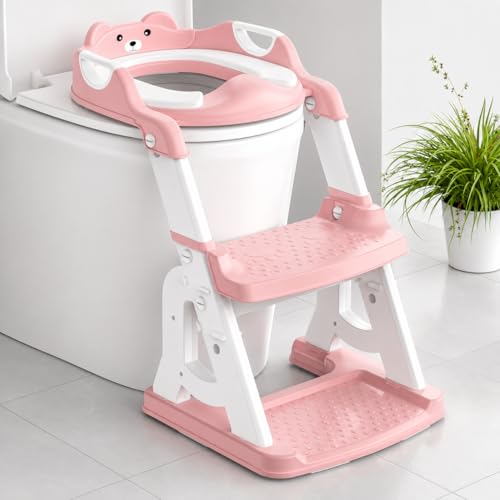
For families exploring structured products to support the process at home, options like a potty training seat or a potty training seat with ladder can complement professional advice. Nighttime dryness often follows daytime success, and resources on nighttime potty training help parents plan the next stage.
Which Professionals Can Help with Toilet Training?
Different challenges call for different experts. Understanding each professional's role helps you choose the right starting point and avoid unnecessary referrals.
| Professional | Best For | How They Help |
|---|---|---|
| Pediatrician | First-line assessment | Rules out constipation, urinary tract issues, and developmental concerns; provides referrals. |
| Pediatric Urologist | Bladder control problems | Evaluates daytime wetting, urgency, and urinary retention that resist standard training. |
| Pediatric Gastroenterologist | Stool withholding and constipation | Manages chronic constipation and encopresis with medical and behavioral plans. |
| Occupational Therapist | Sensory and motor challenges | Builds tolerance for sitting, dressing skills, and sensory desensitization strategies. |
| Potty Training Consultant | Behavioral and routine support | Designs consistent home plans, accountability structures, and parent coaching. |
A pediatrician is usually the best entry point. From there, referrals to specialists are based on specific symptoms. For children who respond well to structured routines, pairing professional advice with supportive products such as toddler underwear or training pants can reinforce progress between sessions.
What to Expect from a Professional Toilet Training Plan
Professional support is not a one-size-fits-all program. A good plan begins with a thorough assessment, then layers in behavioral strategies, medical management when needed, and consistent parent coaching.
Step 1: Comprehensive Assessment
The professional will review your child's medical history, current routine, diet, stool patterns, and any previous training attempts. For children with sensory differences, an occupational therapist may observe how your child responds to the bathroom environment, clothing, and sitting.
Step 2: Individualized Strategy
Plans typically include scheduled bathroom visits, positive reinforcement systems, and clear responses to accidents. Medical professionals may add dietary changes, stool softeners, or bladder training exercises. Consultants often provide a written plan and follow-up check-ins.
Step 3: Consistent Parent Coaching
Parents are the most important part of the plan. Professionals coach caregivers on language, timing, and how to respond to setbacks without shame or pressure. Consistency across home, daycare, and extended family is essential.
Step 4: Monitoring and Adjustment
Progress is reviewed regularly. If a strategy is not working after a few weeks, the plan is adjusted. This iterative approach prevents frustration and keeps the child moving forward.
Practical Strategies That Complement Professional Help
Professional guidance works best when paired with everyday habits at home. These strategies support the plan and reduce resistance.
- Create a predictable bathroom routine. Scheduled sits after meals and before bed reduce anxiety and build muscle memory.
- Use positive, low-pressure language. Praise effort, not just success. Avoid bargaining or punishment.
- Make the bathroom child-friendly. A stable footrest, good lighting, and accessible supplies help children feel secure.
- Track patterns. A simple log of accidents, successes, and stool consistency gives professionals valuable data.
- Coordinate with daycare. Share the plan so expectations are consistent across settings.
For children who are close to independence, a potty training toilet seat with ladder can build confidence by letting them use the adult toilet safely. For families managing multiple children, a selection of potty training seats ensures each child has a comfortable option.
What to Do When Progress Stalls
Stalled progress is common and rarely permanent. The key is to pause, reassess, and avoid escalating pressure. If a child begins to withhold stool, complain of pain, or show fear of the bathroom, stop intensive training and consult a professional.
Regression after a major life change is also normal. A new sibling, a move, or starting preschool can temporarily disrupt routines. Professionals can help parents distinguish between a temporary phase and a pattern that needs intervention. For children who respond well to visual and verbal cues, combining professional advice with consistent use of potty training pull-ups that turn cold can provide gentle feedback during the learning phase.
How to Choose the Right Professional for Your Family
Not every professional is the right fit for every child. Ask about experience with your child's specific challenge, whether they offer in-person or telehealth sessions, and how they involve parents in the plan.
Pediatrician
Best first step for most families. Confirms there is no medical issue and provides trusted referrals.
Occupational Therapist
Ideal for children with sensory sensitivities, motor delays, or difficulty tolerating the bathroom.
Pediatric Urologist or Gastroenterologist
Necessary when bladder or bowel function is the primary barrier to successful training.
Potty Training Consultant
Helpful for behavioral resistance and for parents who need structure, accountability, and step-by-step support.
Frequently Asked Questions
At what age should professional help be considered?
Most children are ready between 18 months and 3 years. If a child is over four and still resistant, or if there are signs of pain, withholding, or developmental differences, professional input is appropriate at any age.
Can professional help be done remotely?
Yes. Many potty training consultants and some occupational therapists offer telehealth sessions. Medical specialists may require an in-person visit for examination, but follow-up coaching can often be virtual.
How long does professional support typically last?
Most families see meaningful improvement within a few weeks to a few months. Complex medical or sensory cases may require longer monitoring, but the goal is always to build independence and reduce parent stress.
Will professional help replace what we do at home?
No. Professionals design the plan and coach parents, but daily consistency at home is what drives progress. The best outcomes happen when families follow through with the agreed strategies.
What if my child has a medical condition?
Children with autism, ADHD, sensory processing disorder, or chronic constipation often need a coordinated approach. A pediatrician can help assemble the right team and ensure all professionals are working from the same plan.
Ready to Move Forward with Confidence?
Whether you are just starting to explore professional help or you are looking for products that support the plan, CradleCheck has the resources to guide your next step. Explore our related guides on potty training seats, nighttime training, and toddler underwear to build a complete, consistent routine.