
Find the perfect training pants for your toddler. Compare styles, materials, and features to make potty training easier and more comfortable for your little one.
Shop Training Pants →Potty training is a major milestone, and choosing the right potty training underwear can make all the difference. The best training pants help toddlers feel wetness, build confidence, and transition from diapers to regular underwear. This guide covers everything you need to know to make an informed choice.
Unlike diapers that wick moisture away, training pants allow toddlers to feel when they're wet. This sensory feedback is crucial for helping them recognize the need to go and take action.
Quality training pants provide enough absorbency to contain small accidents without leaking onto floors or furniture, giving parents peace of mind while toddlers learn.
Wearing "big kid" underwear is empowering. When children feel proud of their training pants, they're more motivated to stay dry and use the toilet successfully.
$12–$25 per pair
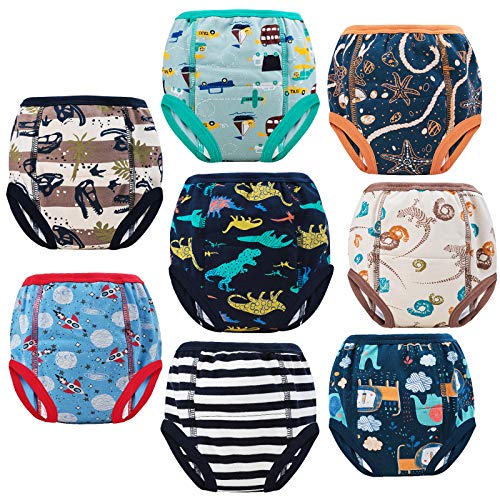
Reusable cotton or bamboo training pants with absorbent padding. They feel like underwear while providing extra protection. Great for eco-conscious families.
$0.30–$0.60 per pant
Pull-up style disposable pants that are easy for toddlers to pull up and down. They offer convenience and are perfect for on-the-go potty training.
$18–$35 per pair
Reusable pants with a waterproof outer layer to prevent leaks. They combine the feel of regular underwear with extra protection for messy accidents.
$10–$20 per pack
Insertable absorbent pads that fit inside regular underwear. This option allows toddlers to wear their favorite character underwear with added protection.
Training pants should fit snugly but not too tight. Look for adjustable side panels and elastic waistbands that allow your child to pull them up and down independently.
Consider how much absorbency you need based on your child's age and stage. For beginners, more absorbency is helpful. For children close to being fully trained, thinner options work well.
If choosing reusable training pants, check if they're machine washable and how long they take to dry. Some materials require specific care instructions.
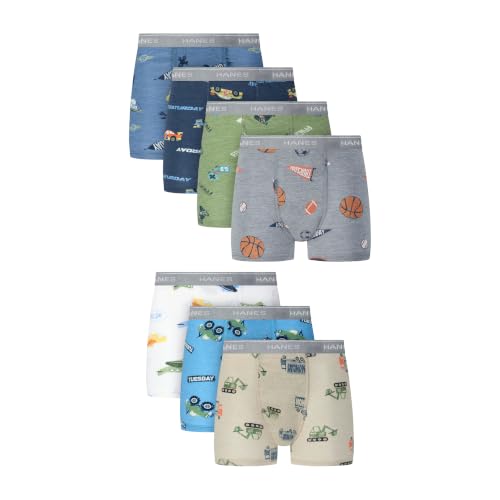
Training pants with fun prints or characters can help your child feel excited about wearing them. Let your toddler help pick their own designs to increase engagement.
| Feature | Cloth Training Pants | Disposable Training Pants | Waterproof Training Pants |
|---|---|---|---|
| Cost per use | $0.05–0.15 | $0.30–0.60 | $0.05–0.20 |
| Environmental Impact | ✅ Low (washable) | ❌ High (single-use) | ✅ Low (washable) |
| Absorbency | Medium-High | High | Medium-High |
| Leak Protection | Medium | High | Very High |
| Child Independence | ✅ Easy pull-up | ✅ Very easy | ✅ Easy pull-up |
| Best For | Home use, eco-conscious families | Outings, travel | Night training, heavy wetters |
Create a routine by taking your child to the potty at regular intervals. Use potty training charts to track progress and celebrate small victories along the way.
Reward successful attempts with praise, stickers, or potty training rewards. Avoid punishment for accidents, as this can create anxiety and setbacks.
Start with potty training underwear that provides adequate protection, then gradually transition to regular underwear as your child gains confidence and control.
Make sure you have a comfortable potty training toilet or seat adapter. Some children prefer using the big toilet with a special seat attachment.
Many parents make these mistakes when choosing potty training underwear:
Most children show readiness between 18 and 36 months. Signs include staying dry for longer periods, showing interest in the potty, and being able to pull pants up and down independently.
For cloth training pants, we recommend 8–12 pairs. For disposable, keep a 1–2 week supply based on your child's accident frequency. This ensures you always have clean pants ready.
No, when used correctly, training pants actually support the learning process. They help children connect the feeling of wetness with the need to use the potty, which is a crucial learning step.
Both options work well. Disposables are convenient for outings and travel, while reusable pants are more economical and eco-friendly for daily home use. Many families use a combination of both.
Night training often takes longer than daytime training. Consider using extra-absorbent training pants or specialized nighttime training pants to protect bedding while your child develops bladder control during sleep.
Most reusable training pants are machine washable. Remove solids, rinse in cold water, then wash with a gentle detergent. Air drying is recommended to preserve elasticity and waterproof layers.
💡 Pro Tip: Make potty training fun by turning it into a game! Create a potty training chart with your child and offer small rewards like stickers or extra playtime for successful attempts. Remember to stay positive and celebrate every small victory along the way.
⚠️ AFFILIATE DISCLOSURE: This website contains affiliate links. As an Amazon Associate, we earn from qualifying purchases. If you make a purchase through these links, we may receive a small commission at no additional cost to you. Read our full affiliate policy.



Baby product selection and parenting decisions involve personal preferences and individual circumstances. The information provided on CradleCheck is for educational and informational purposes only. We are not medical professionals, and our content should not replace professional medical advice, diagnosis, or treatment. Always consult with your pediatrician or healthcare provider regarding your baby's health and safety. Some content may use AI assistance. Always check product safety standards and recalls before purchasing. If you do not agree, please do not use this website. Read the full disclaimer.