Potty Training Toilet Seat: A Complete Buying Guide for Parents
Help your toddler transition from diapers to the big toilet with confidence. Learn about seat types, key features, fitting tips, and how to choose the best potty training toilet seat for your child's needs.
Why the Right Seat Matters: Potty training is a major milestone, and the right toilet seat can make the difference between frustration and success. A well-fitted, stable, and comfortable seat helps your toddler feel secure, reduces accidents, and builds confidence. This guide walks you through everything you need to know before choosing a potty training toilet seat.
Understanding Potty Training Toilet Seats
A potty training toilet seat is a child-sized seat that fits over the regular toilet, allowing your toddler to sit safely and comfortably. Unlike standalone potties, these seats help children get used to using the family toilet early on, which can simplify the transition to adult toilet use.
Most potty training seats are designed for children aged 18 months to 4 years, depending on their physical development and readiness. The right seat should provide stability, proper support, and a sense of security so your child can focus on learning rather than feeling unbalanced.
Before diving into seat types, it's helpful to understand the broader potty training journey and the signs of readiness. Once your child shows interest and physical signs, choosing the right equipment becomes much easier.
Types of Potty Training Toilet Seats
There are several styles of potty training toilet seats, each with distinct advantages. Understanding these options will help you match the seat to your child's personality, your bathroom setup, and your training approach.
Standard Toilet Seat Reducers
These simple seats rest on top of the regular toilet seat. They are lightweight, easy to store, and ideal for travel or small bathrooms. Most entry-level and mid-range models fall into this category and are a solid starting point for most families.
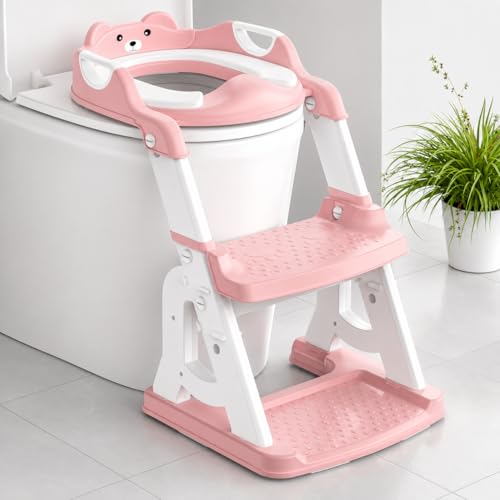
Seats with Ladder and Step Stool
These feature a built-in step and ladder that lets your child climb up independently. They often include handles for added security. A potty training seat with step stool ladder is excellent for promoting independence and can serve as a long-term investment.
Contoured Splash Guard Seats
Designed with a raised front to prevent messes, these seats are especially helpful for boys. A potty training seat with splash guard keeps the bathroom cleaner and reduces cleanup time.
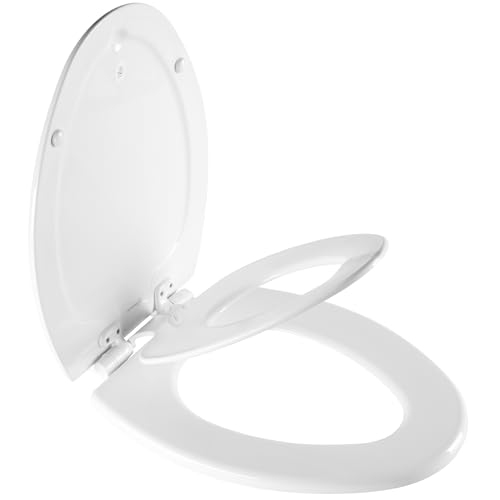
Seats for Oval Toilets
Not all toilets are shaped the same. If you have an elongated or oval toilet, you'll need a seat designed specifically for that shape. Explore potty training seats for oval toilets to ensure a secure fit.
Travel and Portable Seats
Folding or inflatable seats are perfect for on-the-go training. A portable potty or travel seat ensures your child can maintain their routine even when away from home.
Combination Seats
Some seats convert from a potty training seat to a step stool, offering dual functionality. These are practical for families who want multipurpose gear that grows with their child.
Key Features to Look For
When comparing potty training toilet seats, certain features consistently matter across all tiers. Focus on these to ensure a safe and positive experience:
- Stability: The seat should sit firmly on the toilet without wobbling. Look for non-slip grips or rubberized edges.
- Comfort: A padded or contoured seat is more comfortable for longer sitting sessions. Some premium models offer soft cushioning.
- Splash Guard: Especially important for boys, a raised front prevents urine from escaping.
- Handles: Side handles give toddlers something to hold, boosting confidence and balance.
- Easy Cleaning: Smooth, non-porous surfaces and removable parts make cleanup quick.
- Portability: If you travel often, a foldable or lightweight seat is worth considering. Check out portable potty options for on-the-go convenience.
Entry-level models typically cover basic stability and fit, while mid-range and premium tiers add features like padded seats, adjustable ladders, and ergonomic designs. The best choice depends on your child's needs and your bathroom layout.
Comparing Potty Training Toilet Seat Types
| Seat Type | Tier | Best For | Key Features |
|---|---|---|---|
| Standard Reducer | Essential tier | Quick start, small bathrooms, travel | Lightweight, simple placement, easy to store |
| Seat with Ladder & Step Stool | Mid-range to high-end tier | Independent toddlers, long-term use | Built-in step, handles, adjustable height |
| Splash Guard Seat | Essential to mid-range tier | Boys, mess reduction | Raised front, contoured fit, easy clean |
| Oval Toilet Seat | Mid-range tier | Elongated toilets | Custom fit, secure grip, comfortable |
| Travel / Folding Seat | Essential tier | Families on the go | Compact, lightweight, carry bag included |
| Combination Seat | Premium tier | Multipurpose use, growing toddlers | Converts to step stool, durable build |
How to Choose the Right Potty Training Toilet Seat
Selecting the right seat involves matching your child's developmental stage and your household needs. Here's a step-by-step approach:
1. Assess Your Child's Readiness
Before investing in any seat, ensure your child is showing signs of readiness: staying dry for longer periods, showing interest in the toilet, and being able to follow simple instructions. The potty training guide covers readiness signs in detail.
2. Measure Your Toilet
Not all toilets are standard. Measure the inner and outer dimensions of your toilet seat to ensure the training seat fits securely. Oval and elongated toilets require specific seat shapes.
3. Consider Your Bathroom Layout
If space is tight, a simple reducer seat that stores easily is ideal. If you have room, a seat with a ladder provides independence and reduces the need for lifting.
4. Decide on Portability Needs
Families who travel frequently or spend time away from home should consider a portable potty or folding seat. These are compact and easy to carry.
5. Factor in Durability and Cleaning
Look for seats made from durable, easy-to-clean materials. Removable parts and smooth surfaces simplify hygiene, which is especially important during training.
6. Involve Your Child
Let your toddler pick a color or character-themed seat. Ownership and excitement can boost cooperation and make training more enjoyable.
Tips for Successful Potty Training with a Toilet Seat
Choosing the right seat is only part of the journey. Here are practical tips to set your child up for success:
- Establish a Routine: Schedule regular toilet visits, especially after meals and before bedtime.
- Use Positive Reinforcement: Praise successes and avoid punishment for accidents. Keep the tone encouraging.
- Create a Comfortable Environment: Add a step stool for foot support and keep the bathroom warm and inviting.
- Dress for Success: Choose potty training underwear that is easy to pull up and down.
- Be Patient: Every child learns at their own pace. Some take days, others take weeks or months.
- Consider Pull-Ups for Outings: Potty training pull-ups that turn cold can help children recognize when they've had an accident.
Transitioning from a Standalone Potty to a Toilet Seat
Many parents start with a standalone potty and later transition to a toilet seat. This progression helps children build confidence before moving to the adult toilet. Here's how to make the switch smoothly:
- Keep Both Available: Place the potty training seat on the toilet while keeping the standalone potty accessible.
- Demonstrate: Let your child watch you or siblings use the toilet to normalize the experience.
- Use a Step Stool: A potty training step stool helps your child climb up safely and provides foot support while sitting.
- Praise Independence: Encourage your child to climb up and sit down on their own when ready.
- Be Consistent: Use the toilet seat regularly to build familiarity and routine.
For a deeper dive into this transition, explore our guide on potties for potty training and how they complement toilet seats.
Safety and Hygiene Considerations
Safety should always come first when selecting and using a potty training toilet seat:
- Secure Fit: Ensure the seat locks or grips firmly onto the toilet to prevent slipping.
- Non-Toxic Materials: Choose seats made from BPA-free, non-toxic plastic or materials that are safe for children.
- Easy Cleaning: Regularly clean and disinfect the seat to prevent bacteria buildup.
- Supervision: Always supervise young children when using the toilet seat, especially if it includes a ladder.
- Check Recalls: Stay informed about product recalls and safety notices for any potty training gear you use.
If you're looking for a comprehensive checklist, our registry checklist includes potty training essentials alongside other must-haves for your growing toddler.
When to Seek Professional Help
Most children master potty training within a few months. However, consult your pediatrician if your child shows no interest by age 4, experiences pain during urination or bowel movements, or has recurring accidents beyond age 5. For additional support, consider professional help with toilet training if you feel your child needs extra guidance.
Frequently Asked Questions
What age should I start using a potty training toilet seat?
Most children are ready between 18 months and 3 years. Look for signs like staying dry for two hours, showing interest in the toilet, and being able to follow simple instructions. Every child is different, so readiness matters more than age.
How do I know if a potty training seat fits my toilet?
Measure your toilet's inner and outer dimensions and compare them to the seat's specifications. Most seats list compatibility with standard, oval, or elongated toilets. If you have an unusual toilet shape, look for adjustable or universal-fit seats.
Should I choose a seat with a ladder or a simple reducer?
It depends on your child's independence and your bathroom space. A seat with a ladder encourages self-reliance and is ideal for long-term use. A simple reducer is compact, easy to store, and great for travel or small bathrooms.
How do I clean a potty training toilet seat?
Most seats can be cleaned with warm soapy water or a mild disinfectant. Removable parts make thorough cleaning easier. Avoid harsh chemicals that may damage the material or leave residue. Dry the seat completely before use.
What if my child refuses to use the toilet seat?
Regression or refusal is common. Try introducing a step stool for comfort, using a reward chart, or letting your child choose a themed seat. Keep the experience positive and avoid pressure. If refusal persists, consult your pediatrician for guidance.
Can I use a potty training seat on a public toilet?
Yes, many portable and folding seats are designed for use on public toilets. They provide a clean, familiar surface and help maintain training consistency while away from home. Look for compact models with carry bags for hygiene.
Ready to Find the Perfect Potty Training Seat?
Explore our carefully selected recommendations below to find a seat that matches your child's needs and your lifestyle.
Browse Recommended Seats