Potty Training Toilets: Your Complete Buying Guide
Everything parents need to know about choosing the right potty training toilet — from standalone potties to toilet seats with ladders — so you can support your toddler's independence with confidence.
Explore Potty TypesWhy Potty Training Toilets Matter: The right potty training toilet can make the transition from diapers to underwear smoother for both child and parent. A well-designed potty seat provides stability, comfort, and confidence for your toddler, while also helping prevent accidents and frustration. This guide walks you through every type of potty training toilet, key features to look for, and practical tips to set your child up for success.
Types of Potty Training Toilets
Understanding the different potty training toilet formats helps you match the right product to your child's age, personality, and your home setup. Here are the main categories:
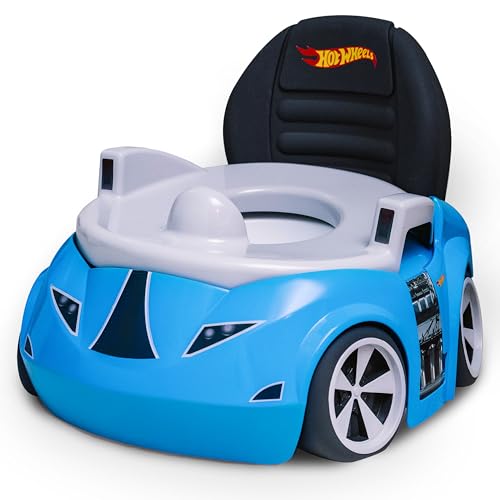
Standalone Potty Chairs
A dedicated, floor-level potty that your child can use independently. These are the classic first step in potty training.
- Simple, self-contained design
- Easy for toddlers to sit down and stand up
- Portable and easy to move between rooms
- Best for children just beginning training
Toilet Seats with Splash Guards
These attach to your regular toilet and include a raised guard to prevent messes. Ideal for transitioning from a standalone potty.
- Fits most standard toilet seats
- Splash guard keeps mess contained
- Encourages use of the adult toilet
- Compact and easy to store
Toilet Seats with Ladder & Step Stool
A comprehensive solution that combines a child-sized seat, a step stool, and often a ladder for independent climbing.
- Promotes full independence
- Adjustable height for growing children
- Non-slip steps for safety
- Great for children ready to use the adult toilet
Portable & Travel Potties
Lightweight, foldable potties designed for on-the-go use. Perfect for travel, outings, and visits to grandparents.
- Compact and foldable design
- Easy to clean and carry
- Disposable liners often available
- Ideal for maintaining routine away from home
Key Features Compared by Tier
Use this comparison to understand what each tier typically offers. Higher tiers generally provide more adjustability, stability, and long-term usability.
| Feature | Essential Tier | Balanced Tier | Top-Tier |
|---|---|---|---|
| Adjustable Height | No | Limited | Yes, multiple settings |
| Non-Slip Base | Basic | Reinforced | Heavy-duty with grip pads |
| Splash Guard | Sometimes | Yes | Yes, extended coverage |
| Step Stool Included | No | No | Yes, often with ladder |
| Portability | High | Moderate | Low (stationary setup) |
| Best For | First-time trainers | Transition phase | Independent toddlers |
What to Look For in a Potty Training Toilet
When evaluating potty training toilets, focus on these practical criteria to ensure a safe and positive experience:
- Stability and Non-Slip Features: A potty that wobbles or slides can frighten a toddler. Look for wide bases, rubberized grips, and reinforced construction. This is especially important for toilet seats with ladders.
- Comfort and Ergonomic Design: A contoured seat with a supportive backrest helps children relax. Check that the seat opening is appropriately sized — not too large or too small.
- Easy Cleaning: Removable inner bowls, smooth surfaces, and dishwasher-safe components make cleanup quick and hygienic.
- Splash Guard Coverage: A well-designed splash guard prevents urine from escaping, reducing mess and frustration for both child and parent.
- Adjustability for Growth: Toilet seats with adjustable height or ladder settings grow with your child, offering better long-term value within their tier.
- Portability and Storage: If you plan to travel or move the potty between rooms, a lightweight and compact design is essential.
Practical Tips for Successful Potty Training
The right potty training toilet is only part of the equation. These strategies help create a positive and consistent experience:
- Start When Your Child Shows Readiness: Signs include staying dry for longer periods, showing interest in the toilet, and being able to follow simple instructions. Rushing the process can lead to setbacks.
- Create a Consistent Routine: Schedule regular potty breaks, especially after meals and before bedtime. Consistency helps children build muscle memory and confidence.
- Use Positive Reinforcement: Praise effort, not just success. Avoid punishment for accidents — instead, calmly clean up and encourage trying again.
- Make the Potty Accessible: Keep the potty training toilet in a visible, easy-to-reach location. For toilet seats with ladders, ensure the setup is stable and within your child's reach.
- Dress for Success: Easy-to-remove clothing helps children act quickly when they feel the urge. Consider training underwear during the day.
- Be Patient and Flexible: Every child progresses at their own pace. Some may take weeks, others months. Celebrate small wins and avoid comparisons with other children.
Frequently Asked Questions
When should I start potty training?
Most children show readiness between 18 and 30 months, but the ideal time varies. Look for signs like staying dry for two hours, discomfort in dirty diapers, and interest in using the toilet. Starting too early can cause frustration for both child and parent.
Should I use a standalone potty or a toilet seat with a ladder?
Start with a standalone potty for beginners — it's less intimidating and easier for young toddlers to use independently. Once your child is comfortable, transition to a toilet seat with a ladder to build independence using the adult toilet. Some families use both simultaneously.
How do I clean a potty training toilet?
Most potty training toilets have removable inner bowls that can be washed with warm soapy water or placed in the dishwasher if the manufacturer allows. Wipe exterior surfaces with a mild disinfectant. For toilet seats with splash guards, clean crevices regularly to prevent buildup.
What if my child refuses to use the potty?
Refusal is common and usually temporary. Avoid forcing the issue. Instead, try a different potty type, offer books or toys during potty time, or take a short break and revisit in a few weeks. Positive reinforcement and patience are key.
Are portable potties effective for travel?
Yes, portable potties are excellent for maintaining routine during travel. Look for foldable designs with disposable liners for easy cleanup. They help children stay consistent with potty habits even when away from home.