Potty Training Step Stool: The Complete Buyer's Guide
Discover how to choose a stable, safe, and comfortable step stool that helps your toddler use the toilet with confidence. Learn about height, materials, grip, and safety features before you decide.
Explore the Buying GuideWhy a step stool matters: A potty training step stool bridges the gap between your toddler's height and the adult toilet. It gives them the stability to sit comfortably, the confidence to go independently, and the support they need to feel secure. Choosing the right one can make the entire potty training process smoother for both of you.
What to Look for in a Potty Training Step Stool
A step stool for potty training is not just a simple platform. It needs to support your child's weight securely, resist slipping on wet bathroom floors, and be easy for a toddler to climb onto. Before browsing models, understand the key features that separate a useful stool from one that ends up being a safety hazard.
Stability and Base Design
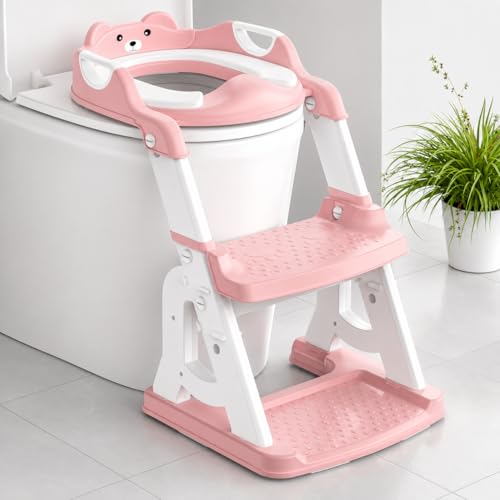
The most important feature of any potty training step stool is stability. Look for a wide base that distributes weight evenly and resists tipping. Non-slip rubber grips on the bottom are essential for bathroom tiles and laminate floors. A stool with a solid, one-piece base or a well-engineered folding mechanism is generally more secure than a flimsy two-leg design. If you are also considering a combination seat, the potty training toilet seat with step stool ladder offers an all-in-one approach that integrates the stool with the seat.
Height and Step Surface
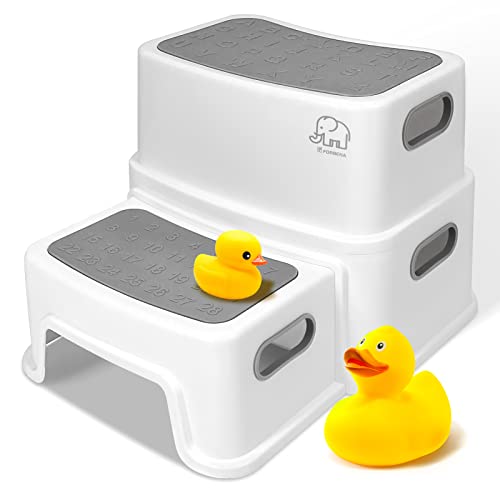
Height should match your toilet and your child's leg length. A stool that is too tall forces your toddler to climb awkwardly; too short and their feet dangle, reducing comfort. Many models offer a single platform, while adjustable or two-step designs let the stool grow with your child. The standing surface should be textured or covered with a non-slip pad to prevent slips when feet are wet.
Material and Build Quality
Step stools are commonly made from plastic, wood, or a combination of both. Plastic models are lightweight, easy to clean, and often available in playful colors that appeal to toddlers. Wood models tend to be heavier and more stable, with a warm look that fits many bathrooms. In both cases, look for a solid build, reinforced joints, and a rust-proof finish if the stool includes metal parts. Heavy-duty construction matters in a bathroom environment where moisture is constant.
Safety Features and Grip
Beyond the base, check the top surface for anti-slip texture. Some stools include a raised edge or contoured surface to keep small feet in place. Handles or side cutouts can help toddlers steady themselves as they climb. If the stool doubles as a seat or potty trainer, ensure the seat opening is comfortable and has a splash guard — the potty training seat with splash guard guide explains how that feature keeps mess contained. For standalone stools, a simple, flat, grippy platform is often the safest choice.
Types of Potty Training Step Stools
Standalone Step Stool
A simple platform stool used alongside a separate potty seat or the adult toilet. Lightweight, versatile, and easy to move between rooms. Best for families who want a single stool for the bathroom sink and toilet.
Step Stool with Ladder
Combines a step platform with a ladder-like structure that reaches the toilet seat. Provides a full climbing route for older toddlers. Often folds for storage. Great for children who are ready to climb independently.
Potty Seat with Built-in Step
An all-in-one unit where the potty seat and step stool are connected. Reduces clutter and keeps everything in one place. Ideal for small bathrooms and for toddlers who need extra reassurance during the transition.
Foldable Travel Stool
Compact and portable, designed for trips or visits to grandparents. Folds flat for storage. A good secondary stool for families who travel often or need a spare in another bathroom.
How to Choose the Right Stool for Your Child
The right stool depends on your child's age, confidence, and your bathroom layout. Younger toddlers often do better with a lower, wider stool that they can step onto with both feet. Older toddlers who are eager to climb may prefer a stool with a small ladder or a two-step design. Consider the following checklist before making a decision:
- Measure the distance from the floor to the toilet seat and choose a stool that brings your child's feet to a comfortable resting position.
- Check the weight capacity and ensure the stool is rated for your child's size.
- Confirm the base has non-slip grips suitable for your bathroom flooring.
- Look for rounded edges and no pinch points if the stool folds.
- Choose a material that is easy to wipe clean and resistant to moisture.
- Consider storage space — folding or slim designs help in small bathrooms.
Step Stool Tiers: Entry-Level to Premium
Step stools for potty training fall into broad quality tiers. Understanding these tiers helps you match features to your needs without overcomplicating the decision.
| Tier | Typical Characteristics | Best For |
|---|---|---|
| Entry-level | Single-piece plastic construction, basic non-slip base, simple flat platform | Families who need a straightforward stool for occasional use |
| Mid-range | Reinforced base, textured step surface, folding mechanism, playful colors | Everyday potty training with a balance of stability and portability |
| Premium | Solid wood or heavy-duty plastic, adjustable height, integrated ladder, premium grip materials | Long-term use across multiple children and bathrooms |
Safety and Maintenance Tips
Even the best step stool needs proper use and care. Place the stool on a flat, dry surface before each use. Wipe the step surface and base regularly to remove soap residue that can reduce grip. Check screws and folding joints monthly for looseness or wear. Never let a child climb on the stool unsupervised, and always keep the bathroom floor clear of toys and rugs that could cause slipping.
Frequently Asked Questions
What height should a potty training step stool be?
The stool should bring your child's feet to a comfortable resting position when seated on the toilet. A common approach is to measure the distance from the floor to the toilet seat and choose a stool that reduces the gap to a comfortable step. Adjustable or two-step stools offer flexibility as your child grows.
Is a wooden or plastic step stool better for potty training?
Both can work well. Plastic stools are lightweight, easy to clean, and often have playful designs. Wooden stools tend to be heavier and more stable, which can be reassuring for climbing toddlers. Choose based on your bathroom decor, cleaning preferences, and the level of stability you want.
Can my child use the adult toilet with just a step stool?
Some children can, but a step stool alone does not reduce the size of the toilet opening. Many families pair a step stool with a potty training toilet seat that fits over the adult toilet. Combination models with a built-in ladder offer both the step and the smaller seat in one unit.
How do I keep the step stool from slipping?
Look for stools with rubber or silicone grips on the base. Place the stool on a dry, flat surface. Avoid placing it on bath mats or rugs. Clean the base regularly to remove soap and water residue, which can reduce grip.
When should I introduce a step stool during potty training?
Introduce the stool when your child shows interest in using the toilet and can climb with some assistance. Start by letting them sit on the stool while you prepare the potty, then gradually encourage them to climb onto the toilet with the stool as they gain confidence.
Final Thoughts
A potty training step stool is a small purchase that can make a big difference in your child's comfort and confidence. Focus on stability, grip, and the right height for your bathroom. Whether you choose a simple standalone stool or a combination seat with a ladder, the goal is the same: give your toddler a safe, steady platform as they learn to use the toilet independently. For more guidance on the broader process, explore our potty training tips and compare options in our potties for potty training guide.