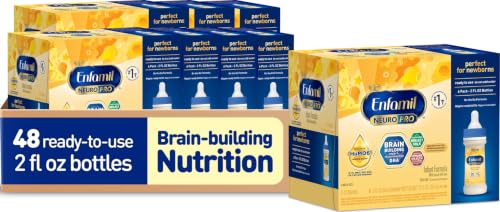
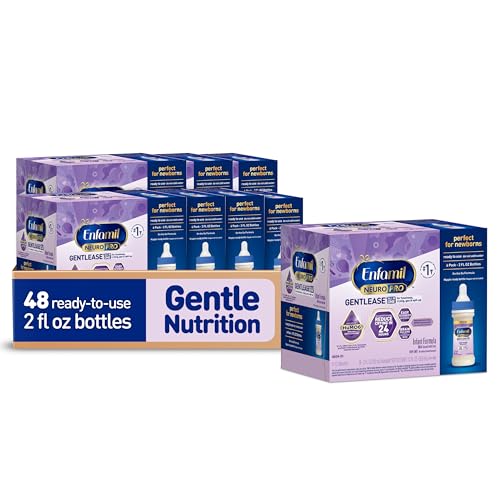
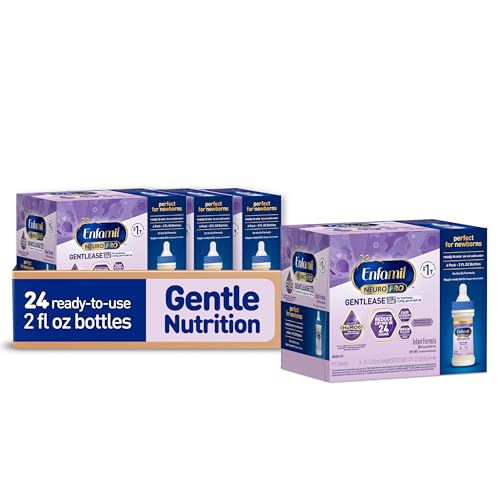
Infant Formula Ready to Feed: The Complete Guide
Everything you need to know about ready-to-feed infant formula — from understanding its benefits and safety standards to choosing the right option for your baby's nutritional needs.
START LEARNINGWhy This Guide Matters: When it comes to feeding your baby, confidence is everything. Ready-to-feed formula eliminates the guesswork of mixing and measuring, offering a sterile, nutritionally complete option that's ready the moment your little one is hungry. This guide walks you through everything — from understanding what makes it different from powder and concentrate, to feeding schedules, storage rules, and the questions parents ask most. By the end, you'll have the clarity to make a well-informed decision that suits your family's lifestyle and your baby's needs.
What Is Infant Formula Ready to Feed?
Infant formula ready to feed is a pre-mixed, liquid form of baby formula that comes in sterile containers — typically cartons, bottles, or tetra packs. Unlike powdered formula, which requires precise measuring and mixing with water, ready-to-feed formula is poured directly into a bottle and served immediately. It is manufactured under strict sterile conditions, making it the safest option for newborns, premature infants, and babies with compromised immune systems.
The formula itself is nutritionally complete, containing the right balance of proteins, fats, carbohydrates, vitamins, and minerals that growing infants need. Many ready-to-feed options are also fortified with iron, DHA, and ARA — nutrients that support brain and eye development. If you're exploring different feeding approaches, you may also want to read about how breastfeeding compares to formula feeding and alternative formula options like goat milk-based formulas.
Types of Ready-to-Feed Formula
Not all ready-to-feed formulas are created equal. Understanding the different types helps you match your baby's specific needs with the right product. Here's a breakdown of the most common categories:
| Type | Best For | Key Features |
|---|---|---|
| Cow's Milk-Based | Most full-term infants without sensitivities | Standard nutritional profile, widely available, fortified with iron and DHA |
| Hydrolyzed Protein | Babies with mild to moderate milk protein sensitivity | Proteins broken down into smaller pieces for easier digestion |
| Amino Acid-Based | Infants with severe allergies or malabsorption issues | Proteins fully broken down; often prescribed by pediatricians |
| Soy-Based | Babies with lactose intolerance or galactosemia | Plant-based protein source; free from dairy and lactose |
| Organic | Families preferring organic ingredients | Made with organic milk or plant ingredients; no synthetic pesticides |
Each type serves a distinct purpose, and the right choice depends on your baby's tolerance, any diagnosed sensitivities, and your pediatrician's guidance. For families considering plant-based options, there are also specialized vegan formulas for infants that provide complete nutrition without animal-derived ingredients. You can also explore organic baby formula if organic sourcing is a priority for your family.
Key Benefits of Ready-to-Feed Formula
Sterile and Safe
Manufactured under strict sterile conditions, ready-to-feed formula eliminates the risk of contamination from water or improper mixing — a critical advantage for newborns and premature babies.
Zero Preparation
No measuring, no mixing, no boiling water. Simply open, pour, and feed. This is especially valuable during nighttime feedings, travel, and moments when you're running on little sleep.
Consistent Nutrition
Every serving delivers the exact same nutritional profile, eliminating the human error that can occur with powder formula when scoops are over- or under-filled.
Travel-Friendly
Individual cartons and bottles are easy to pack and require no refrigeration until opened. Perfect for outings, flights, and visits to family.
Ideal for Supplementing
Parents who combo-feed or supplement breastfeeding can use ready-to-feed formula without committing to a full can of powder that may expire before use.
Convenient for Caregivers
Grandparents, babysitters, and daycare providers can feed your baby with confidence — no special preparation skills required.
Pros and Cons: Is It Right for You?
Advantages
- Sterile and ready to use immediately
- No preparation errors or mixing mistakes
- Convenient for travel and on-the-go feeding
- Consistent nutrition in every serving
- Ideal for newborns and premature infants
- No need to boil water or sterilize mixing equipment
Considerations
- Higher market position compared to powder formula
- Requires refrigeration after opening
- Shorter shelf life once the container is opened
- Bulky packaging takes up more storage space
- Less customizable for volume-based feeding
Feeding Tips and Best Practices
Feeding your baby is about more than nutrition — it's about bonding, comfort, and safety. Here are practical tips to make the most of your ready-to-feed formula experience:
- Always check the temperature: Ready-to-feed formula can be served at room temperature or warmed gently. Never microwave formula — it can create hot spots that burn your baby's mouth.
- Discard unfinished formula: If your baby doesn't finish a bottle within two hours of starting, discard the remainder. Bacteria from saliva can multiply quickly.
- Refrigerate after opening: Once a carton or bottle is opened, refrigerate it immediately and use within 48 hours. Never freeze ready-to-feed formula.
- Follow your baby's cues: Feed on demand rather than on a rigid schedule. Watch for hunger signs like rooting, lip smacking, and fussiness.
- Use the right bottle and nipple: Choose a slow-flow nipple for newborns to prevent overfeeding. If you're traveling, consider disposable feeding bottles for travel that pair perfectly with ready-to-feed formula.
- Consult your pediatrician: Always discuss formula choices, feeding amounts, and any concerns with your baby's healthcare provider.
💡 Pro Tip: If you're preparing a hospital bag or planning for the first few weeks postpartum, ready-to-feed formula is a smart addition. It removes one layer of stress during a time when rest and recovery matter most. Explore our postpartum care kit guide for more practical preparation tips.
Safety and Storage Guidelines
Proper storage and handling are essential to keep your baby safe. Ready-to-feed formula is sterile before opening, but once exposed to air, it becomes susceptible to bacterial growth. Follow these guidelines:
- Check expiration dates: Never use formula past its expiration date. Inspect containers for dents, leaks, or damage before use.
- Store unopened containers properly: Keep them in a cool, dry place away from direct sunlight. No refrigeration is needed until opened.
- Refrigerate opened formula: Use opened formula within 48 hours. Label the container with the date and time it was opened.
- Avoid cross-contamination: Don't let your baby's mouth touch the container spout. Pour formula into a clean bottle rather than feeding directly from the carton.
- Clean bottles and nipples thoroughly: Sterilize feeding equipment regularly, especially for newborns. Proper hygiene supports your baby's developing immune system.
How to Choose the Right Ready-to-Feed Formula
With so many options on the market, narrowing down your choice can feel overwhelming. Here's a practical framework to guide your decision:
- Start with your baby's health needs: If your baby has been diagnosed with a milk protein allergy, reflux, or other condition, your pediatrician may recommend a specific type — such as hydrolyzed or amino acid-based formula.
- Consider your feeding routine: If you're formula-feeding exclusively, a mid-tier or top-tier brand with a strong reputation for quality and safety is a solid choice. If you're supplementing, starter-tier cartons or multi-packs may be more practical.
- Look for fortified nutrients: DHA, ARA, iron, and vitamin D are key nutrients for infant development. Most quality formulas include them, but it's worth checking the label.
- Evaluate the packaging: Ready-to-feed formula comes in single-serve bottles, multi-serve cartons, and tetra packs. Choose the format that fits your lifestyle — single-serve for travel, larger cartons for home use.
- Check for certifications: Look for organic certifications, non-GMO labels, and compliance with FDA or equivalent safety standards.
If you're also exploring solid foods alongside formula, our guides on baby food and infant oatmeal can help you plan the next stage of your baby's feeding journey. And if you're thinking ahead about introducing variety, the Once Upon a Farm fruit and veggie blend is a popular choice among parents.
Frequently Asked Questions
Can I use ready-to-feed formula for a newborn?
Yes. In fact, ready-to-feed formula is often recommended for newborns and premature infants because it is sterile and eliminates the risk of contamination from powder or water. Always follow your pediatrician's guidance on feeding amounts and frequency.
How long does ready-to-feed formula last after opening?
Once opened, ready-to-feed formula should be refrigerated and used within 48 hours. Any formula left in a bottle after a feeding should be discarded after 2 hours at room temperature.
Can I mix ready-to-feed formula with powder formula?
It's not recommended to mix different types of formula unless directed by your pediatrician. Each formula is carefully balanced, and mixing can alter the nutritional profile. Stick to one type at a time for consistency.
Is ready-to-feed formula better than powder formula?
Both are nutritionally complete. Ready-to-feed formula offers convenience and sterility, making it ideal for newborns, travel, and supplementing. Powder formula is more economical for long-term use and offers flexibility in preparation. The "better" choice depends on your circumstances and priorities.
Do I need to warm ready-to-feed formula?
No. Ready-to-feed formula can be served at room temperature or gently warmed. If your baby prefers warm formula, place the bottle in a bowl of warm water for a few minutes. Never microwave formula, as it can heat unevenly and burn your baby.
Can I feed my baby directly from the carton?
No. Always pour formula into a clean bottle before feeding. Feeding directly from the carton introduces bacteria from your baby's mouth into the remaining formula, which can spoil quickly.
Ready to Explore Formula Options?
Browse our curated selection of infant formula ready to feed products and find the right fit for your baby's needs.
View Recommended ProductsRelated Guides You May Find Helpful
Preparing for your baby's feeding journey involves more than just formula. Here are some related resources to support you:
- Bottle feeding accessories — nipples, brushes, and storage solutions to complete your feeding setup.
- Silicone breast milk collector — a helpful tool for breastfeeding moms who want to collect every drop.
- Pumping bras — hands-free pumping support for moms who combine breastfeeding and bottle feeding.
- Organic baby food — when your baby is ready to transition to solids.
- Baby posture support guide — ensuring comfortable and safe feeding positions.
- Daycare and YMCA programs — what to know when your baby starts daycare and needs formula on-site.
💡 Final Thought: Whether you choose ready-to-feed formula as your primary feeding method or as a supplement to breastfeeding, the most important thing is that your baby is well-fed, comfortable, and thriving. Trust your instincts, lean on your pediatrician for guidance, and give yourself grace — feeding decisions are just one part of the beautiful, messy journey of parenthood.