
Complete Guide to Baby Food: Purees, BLW & Organic Picks
Navigate the world of infant nutrition with confidence. From first spoonfuls to baby-led weaning, find expert advice, product recommendations, and feeding tips for your little one.
Shop Top-Rated Baby Food✨ CradleCheck's Baby Food Philosophy: We believe that feeding your baby should be a joyful, stress-free experience. That's why we've curated the most up-to-date information on baby cereal, baby formula, and toddler food to help you make informed choices. Whether you choose purees, baby-led weaning, or a combination, we're here to support you every step of the way.
Understanding Baby Food Options
When it comes to introducing solids, there are two primary approaches: traditional purees and baby-led weaning (BLW). Both have their merits, and many families find a hybrid approach works best. Purees are smooth, single-ingredient foods that are easy to digest and ideal for babies just starting solids (around 4-6 months). Baby-led weaning, on the other hand, skips the puree stage entirely and offers soft, finger-sized pieces of whole foods for baby to self-feed. This method encourages fine motor skills and independence.
No matter which path you choose, the key is to introduce a variety of nutrients early on. Iron-rich foods like solid starts with meat or fortified cereals are essential, as are fruits and vegetables. For parents who prefer the convenience of store-bought options, organic pouches and jars are a fantastic choice—just be sure to check the ingredient list for added sugars or starches. And if you're feeling adventurous, homemade baby food can be a fun and rewarding way to control exactly what goes into your baby's meals.
🥄 First Purees
Single-ingredient purees like sweet potato, avocado, and pear are perfect for beginners. Start with thin consistency and gradually thicken as baby gets used to swallowing.
🍌 Baby-Led Weaning
Offer soft, steamed veggie sticks, ripe fruit wedges, and strips of meat. Always cut food into safe shapes to prevent choking. Great for developing chewing skills.
🧪 Organic & Non-GMO
Many parents opt for organic baby food to minimize pesticide exposure. Look for USDA Organic or EU-certified labels on pouches, jars, and dry cereals.
🧑🍳 Homemade vs. Store-Bought
Homemade allows full control over ingredients and freshness. Store-bought offers convenience and variety. Both can be part of a healthy diet—choose what fits your lifestyle.
📋 Essential Baby Food Tips
- Start Slowly: Begin with one ingredient at a time (e.g., single-grain cereal or a fruit/veg puree) and wait 3-5 days to check for allergies.
- Texture Progression: As baby grows (around 8-10 months), introduce mashed foods with soft lumps to encourage chewing.
- Iron is Key: Iron-fortified cereals, pureed meats, and legumes are vital for brain development. Breast milk or iron-fortified formula also contribute.
- Be Mindful of Allergens: Peanuts, eggs, dairy, soy, wheat, and fish should be introduced early (around 6 months) to reduce allergy risk, but always consult your pediatrician.
- Safe Feeding Gear: Invest in a high chair with a stable base, easy-to-clean baby bibs, and soft-tipped spoons to protect sensitive gums.
What to Look for in Baby Food
Whether you're choosing packaged purees, cereals, or snack puffs, always read the label. Look for products with minimal ingredients, no added sugar or salt, and recognizable food names. For example, "apple, banana, blueberry" is better than "apple puree concentrate, sugar, modified corn starch." Additionally, consider the packaging: pouches are great for on-the-go, but some parents prefer glass jars for environmental reasons. If you're making your own, a baby food maker or steamer-blender combo can save time and effort.
For busy parents, organic baby food subscription services and ready-to-eat pouches are a lifesaver. They're perfect for daycare, travel, or when you're short on time. Just remember to always check the expiration date and store properly according to the manufacturer's instructions. When transitioning to toddler food, look for options that support growing nutritional needs, including more protein, fiber, and healthy fats.
📖 Related: Rice Cereals • Toddler Food • Baby Formula
Top Baby Food & Feeding Essentials
⚠️ AFFILIATE DISCLOSURE: This website contains affiliate links. As an Amazon Associate, we earn from qualifying purchases. If you make a purchase through these links, we may receive a small commission at no additional cost to you. Read our full affiliate policy.

Gerber Stage 2 Fruit and Veggie Favorites Baby Food, 4 Oz, 32 Pack | Stage 2 fruit and veggie puree variety pack; 32 x 4 oz tubs

Gerber Stage 2 Nourishing Blends Hearty Dinner Baby Food, 4 Oz, 32 Pack | Stage 2 nourishing blends hearty dinners variety pack; 32 x 4 oz tubs
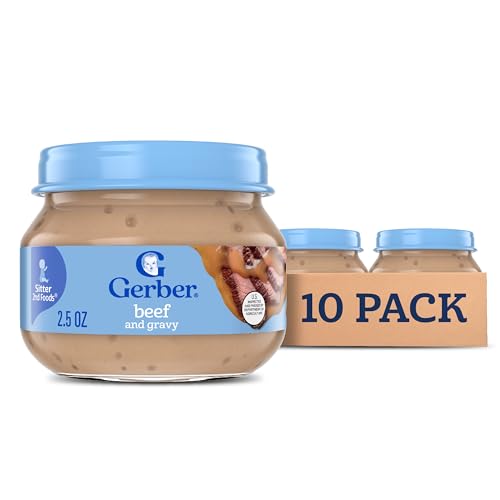
Gerber Stage 2 Beef and Gravy Baby Food, 2.5 Oz, 10 Pack | Stage 2 mealtime meat puree; beef and gravy; 10 x 2.5 oz glass jars

Gerber Stage 2 Fruit and Cereal Variety Pack, 4 Oz, 32 Pack | Stage 2 fruit and cereal tubs variety pack; iron helps support brain development; no artificial flavors; 32 x 4 oz

GoGo squeeZ No Sugar Added Jurassic Fruit & veggieZ Applesauce, 20 Count | Kids On The Go Fruit & Veggie Snack with Pear, Berry & Peach; 3.2 Oz Pouches, Gluten and Nut Free, Recloseable Cap, BPA-Free

Gerber Stage 1 Baby Food, Veggie Variety Pack Puree Tubs, Baby Puree, 2PK | Stage 1 veggie puree variety; green bean, sweet potato, carrot; 12 x 2 oz tubs

Beech-Nut Baby Food Jars, Chicken & Chicken Broth, Stage 1, 2.5oz, 10ct | Stage 1 Baby Food, Meat Puree, 7g Protein, For Babies 4 Months and Up, Glass Jars

Gerber Stage 1 My 1st Fruits Banana Pear Apple, 2 Oz, 12 Pack | Stage 1 starter kit fruit puree; banana pear apple; 12 x 2 oz tubs
Making the Best Choice for Your Baby
Choosing between homemade and store-bought baby food isn't a decision you have to make permanently. Many families use a combination of both: homemade for meals at home, and pouches or jars for outings. The most important factor is that your baby receives a balanced, nutritious diet that supports their growth and development. Always consult with your pediatrician about introducing new foods, especially if you have a family history of allergies.
Remember, every baby is different. Some take to purees immediately, while others prefer to self-feed from the start. Trust your instincts and observe your baby's cues. With the right preparation and a little patience, feeding time can become one of the most enjoyable bonding experiences you'll share.
For more tips on feeding and development, explore our guides on solid starts and baby-led weaning. And if you're preparing for your little one's arrival, don't forget to check out our baby registry checklist to ensure you have all the feeding gear you need.