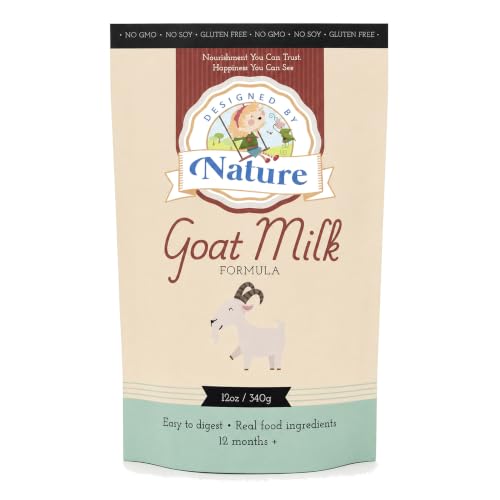
Designed by Nature Goat Milk Formula: A Complete Guide for Sensitive Babies
Everything you need to know about this gentle goat milk-based infant formula — ingredients, benefits, feeding tips, and how it fits into your baby's feeding journey.
Why Goat Milk Formula? If your baby has shown signs of sensitivity to standard cow milk-based formulas, you may be exploring gentler alternatives. Designed by Nature goat milk formula uses whole goat milk as its primary protein source, offering a different protein structure that some parents find easier on delicate tummies. This guide walks you through what makes this formula unique, who it's best for, and what to consider before making the switch.
What Is Designed by Nature Goat Milk Formula?
Designed by Nature goat milk formula is an infant feeding option that places goat milk at the center of its ingredient profile. Unlike formulas that rely on cow milk protein or soy, this product harnesses the natural composition of goat milk — which contains smaller fat globules and a different casein profile compared to cow milk.
The formula is positioned in the mid-range tier of specialty infant formulas, offering a thoughtful balance between specialized nutrition and accessibility for families seeking a gentle alternative. It is designed for babies from birth through the first year, and is typically used as a supplement to or replacement for breast milk when needed.
What sets this formula apart is its commitment to a shorter, more transparent ingredient list. The brand emphasizes minimal processing and avoids certain synthetic additives that some parents prefer to limit in their baby's diet. For families researching goat milk options, this formula sits alongside other sensitive-feeding choices in the broader baby food and feeding category.
Key Ingredients and Nutritional Profile
Understanding what goes into your baby's formula is essential for making an informed decision. Here's a breakdown of the core components you'll find in Designed by Nature goat milk formula:
Carbohydrate Source — Lactose: The formula uses lactose as its carbohydrate source, mirroring the natural sugar found in breast milk. This is a notable point for parents who prefer lactose-based formulas over those sweetened with other sugars or corn syrups.
Essential Fatty Acids (DHA & ARA): Designed by Nature includes DHA and ARA — omega-3 and omega-6 fatty acids that support brain and eye development. These are standard additions in modern infant formulas and are particularly important during the first year of life.
Vitamins and Minerals: The formula is fortified with a comprehensive blend of vitamins and minerals, including iron, calcium, vitamin D, and vitamin C, to meet the nutritional needs of growing infants.
Prebiotics: Some versions of the formula include prebiotic fibers that support gut health and a balanced microbiome, which can be beneficial for babies prone to digestive discomfort.
Who Is This Formula Best For?
Designed by Nature goat milk formula is not a one-size-fits-all solution, but it may be a strong fit for certain feeding situations. Consider the following profiles:
- Babies with mild cow milk sensitivity: If your baby has shown signs of fussiness, gas, or mild digestive discomfort with standard cow milk formula, goat milk may offer a gentler alternative. However, it is not suitable for babies with a diagnosed cow milk protein allergy — in those cases, a pediatrician-guided extensively hydrolyzed formula is necessary.
- Parents seeking a lactose-based, goat milk option: Families who prefer lactose as the carbohydrate source and want a goat milk protein base will find this formula well-aligned with their values.
- Families transitioning from breastfeeding: The lactose content and natural milk fat profile can make this formula a comfortable bridge for breastfed babies moving to formula feeding.
- Parents looking for a shorter ingredient list: Those who prioritize transparency and minimal processing in infant nutrition may appreciate the formula's approachable ingredient profile.
How Designed by Nature Goat Milk Formula Compares
When evaluating this formula against other options, it helps to see how it stacks up across key categories. The table below offers a side-by-side comparison using universal tier descriptors rather than specific figures.
| Feature | Designed by Nature Goat Milk | Standard Cow Milk Formula | Extensively Hydrolyzed Formula |
|---|---|---|---|
| Protein Source | Whole goat milk | Cow milk protein | Broken-down cow milk protein |
| Carbohydrate | Lactose | Lactose or corn syrup solids | Varies by product |
| Best For | Mild sensitivity, goat milk preference | General infant feeding | Diagnosed cow milk protein allergy |
| Market Tier | Mid-range specialty | Entry-level to mid-range | Premium to top-tier |
| Digestibility | Gentle on tummies (softer curd) | Standard | Highly specialized |
For parents exploring other feeding options, it's worth looking at organic baby formula and vegan formula for infants as additional comparison points. Some families also consider ready-to-feed infant formula for convenience during travel or early newborn days.
Benefits and Considerations
Like any infant feeding choice, goat milk formula comes with its own set of advantages and points to weigh. Here's a balanced look:
✅ Potential Benefits
- Goat milk protein forms a softer curd, which may be easier to digest for some babies
- Lactose-based carbohydrate source mirrors breast milk
- Contains DHA and ARA for brain and eye development
- Shorter, more transparent ingredient list
- No synthetic additives or artificial flavors
- Mid-range tier positioning offers a balanced option for specialty feeding
⚠️ Considerations
- Not suitable for babies with diagnosed cow milk protein allergy
- Goat milk formula has a distinct taste that some babies may resist at first
- Availability may be limited compared to mainstream cow milk formulas
- Requires a gradual transition to avoid digestive upset
- Always confirm with your pediatrician before switching
Feeding Tips and Transition Guide
If you and your pediatrician decide that Designed by Nature goat milk formula is right for your baby, a thoughtful transition can make the experience smoother for everyone.
1. Transition Gradually: Mix small amounts of the new formula with your baby's current formula, increasing the proportion of goat milk formula over several days. A common approach is to start with a 25/75 ratio and work up to 100% over a week or two.
2. Watch for Reactions: Pay attention to your baby's stool consistency, mood, and any signs of discomfort. Mild changes in stool odor or color are normal, but persistent diarrhea, vomiting, or rash should prompt a call to your pediatrician.
3. Follow Preparation Instructions: Always prepare the formula according to the manufacturer's instructions on the packaging. Use clean bottles and safe water practices, especially for newborns. For travel or on-the-go feeding, disposable feeding bottles for travel can be a practical companion.
4. Introduce Bottles Thoughtfully: If your baby is transitioning from breastfeeding, a slow-flow nipple and paced bottle feeding can help mimic the breastfeeding experience. You may also find bottle feeding accessories helpful during this period.
5. Store Properly: Prepared formula should be used within the time frame specified on the packaging. For pumping mothers, silicone breast milk collectors and proper storage practices can help maintain milk supply during the transition.
What Parents Should Know About Goat Milk Formula
Goat milk formula has gained attention in recent years, but it's important to separate facts from misconceptions. Here are some key points every parent should understand:
Goat milk is not the same as cow milk: While both contain lactose and similar nutritional profiles, goat milk has a different casein structure — specifically, it is lower in alpha-s1-casein, a protein fraction that some researchers link to cow milk sensitivity. This is why some babies who struggle with cow milk formula may tolerate goat milk formula better.
It is not a treatment for cow milk protein allergy: If your baby has been diagnosed with a cow milk protein allergy, goat milk formula is not a safe substitute. Cross-reactivity between cow and goat milk proteins is common, and a pediatrician should guide you toward an appropriate hypoallergenic formula.
Nutritional completeness matters: Designed by Nature goat milk formula is fortified to meet infant nutritional standards, but not all goat milk formulas are created equal. Always check that the formula you choose is intended for infant feeding and meets the nutritional requirements for your baby's age.
Consult your pediatrician: This cannot be overstated. Your pediatrician knows your baby's health history and can help you determine whether goat milk formula is a suitable choice or whether another feeding approach is more appropriate.
Frequently Asked Questions
Is Designed by Nature goat milk formula suitable for newborns?
Yes, it is designed for infants from birth. However, always consult your pediatrician before introducing any formula to a newborn, especially if your baby was premature or has specific health concerns.
Can I use goat milk formula if my baby has a cow milk protein allergy?
No. Goat milk formula is not appropriate for babies with a diagnosed cow milk protein allergy due to potential cross-reactivity. A pediatrician should recommend an extensively hydrolyzed or amino acid-based formula instead.
How does goat milk formula taste compared to cow milk formula?
Goat milk formula has a slightly different taste profile — some describe it as mildly tangy or earthy. Most babies adjust within a few feedings, especially when the transition is gradual.
Can I mix goat milk formula with breast milk?
Yes, many parents combine formula feeding with breastfeeding. However, always prepare formula separately according to the instructions and never mix powder directly into breast milk without guidance from your pediatrician.
Where can I find Designed by Nature goat milk formula?
Availability varies by region. Check specialty baby stores, online retailers, and the brand's official website. For a broader look at where to shop, explore our guide to baby stores.
Final Thoughts
Designed by Nature goat milk formula represents a thoughtful option for parents exploring gentler feeding alternatives. Its whole goat milk base, lactose carbohydrate source, and transparent ingredient profile make it a compelling choice for babies with mild sensitivities or for families who prefer goat milk as a protein source.
That said, formula feeding is a personal decision that should always be made in consultation with your pediatrician. Every baby is different, and what works beautifully for one may not be the best fit for another. If you're considering a switch, start with a conversation with your healthcare provider, transition gradually, and watch your baby's cues closely.
For more feeding guidance, explore our resources on baby food, organic baby food, and infant oatmeal as your baby grows and their nutritional needs evolve.