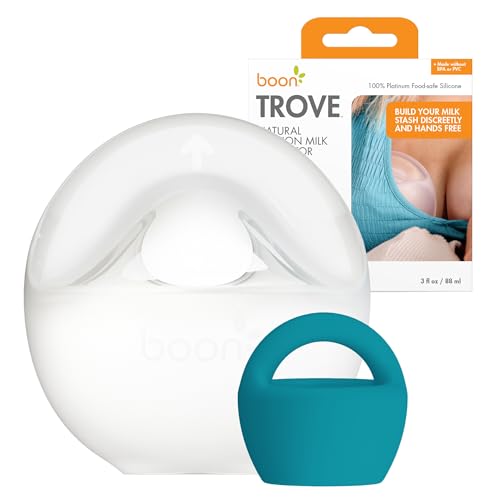
Silicone Breast Milk Collector: The Complete Guide
Everything you need to know before choosing a silicone breast milk collector — how it works, which features matter, and how to find the right fit for your breastfeeding routine.
Why this guide matters: A silicone breast milk collector is one of the simplest yet most misunderstood tools in a breastfeeding setup. If you are researching this product, you likely already know you want one — you just need clear, trustworthy information to decide which type suits your body, your milk flow, and your daily routine. This guide walks you through the mechanics, the feature differences, and the practical considerations so you can move forward with confidence.
What Is a Silicone Breast Milk Collector?
A silicone breast milk collector — sometimes called a milk catcher, passive collector, or silicone shell — is a soft, cup-shaped device that fits over the breast to catch milk that leaks or lets down during feeding or pumping sessions. Unlike an electric pump, it does not actively suction milk; instead, it relies on gentle pressure and gravity to collect what your body releases naturally.
Most models are made from medical-grade or food-grade silicone, which is soft, flexible, and gentle against sensitive skin. The device typically has a narrow neck that fits over the nipple and a wider reservoir that holds the collected milk. Many designs include a suction base that allows the collector to stand upright on a table, reducing the risk of spills.
This tool is especially useful during let-down on the opposite breast while nursing, or as a hands-free option for mothers who leak between feeds. It is not a replacement for a breast pump when you need to build a full stash, but it is an efficient way to capture milk that would otherwise be absorbed by a nursing pad.
How a Passive Milk Collector Works
Understanding the mechanism helps you set realistic expectations. When you breastfeed or pump on one side, your body often releases milk from both breasts — this is the let-down reflex. A silicone collector placed on the non-feeding breast catches that release without any motor or manual pumping action.
The soft silicone creates a gentle seal around the areola. Some collectors use light suction to stay in place, while others rely on the shape of the cup and your nursing bra to hold position. The collected milk flows into the reservoir and can be transferred to a storage container afterward.
Because there is no active suction, a passive collector will not empty the breast the way a pump does. Its role is complementary: it captures leakage and let-down, reduces waste, and gives you a small but steady supply of milk with minimal effort. For mothers with an oversupply or strong let-down, the collection volume can be surprisingly meaningful over the course of a day.
Key Features to Compare
Not all silicone collectors are built the same. The differences below are the ones that most affect comfort, ease of use, and how much milk you actually capture.
Material Grade
Food-grade silicone is the baseline; medical-grade silicone offers higher purity and is often softer. Both are safe, but medical-grade models tend to feel more comfortable during longer wear.
Capacity
Reservoir sizes vary. A smaller cup is discreet and comfortable for short sessions; a larger capacity reduces the need to empty mid-feed, which matters for heavy let-down.
Suction Base
A wide, stable base lets the collector stand on its own. This is a small detail that makes a big difference when you are juggling a baby and need to set the device down safely.
Neck Opening
The opening should fit comfortably over the nipple without pinching. Too narrow causes discomfort; too wide reduces the seal and leads to leaks.
Measurement Markings
Clear volume markings help you track output without transferring to another container. Look for markings that stay legible after repeated washing.
Lid or Cover
A matching lid keeps collected milk covered between let-downs and protects the cup during transport. It also helps reduce odor absorption in the refrigerator.
Entry-Level vs Mid-Range vs Premium Collectors
To help you orient yourself in the market, here is a neutral comparison based on build quality and feature set — not on any specific figure. Use this as a framework, then match it to your own priorities.
| Tier | Typical Characteristics | Best For |
|---|---|---|
| Entry-Level | Basic food-grade silicone, single-piece design, limited markings, no lid | Occasional use, trying the concept before committing further |
| Mid-Range | Softer silicone, clearer volume markings, stable suction base, optional lid | Daily use during nursing sessions, mothers with moderate let-down |
| Premium | Medical-grade silicone, reinforced neck, large capacity, secure lid, ergonomic curve | Frequent use, heavy let-down, mothers who prioritize comfort and durability |
A mid-range model usually offers a noticeably more comfortable seal and better stability than an entry-level one, while a premium collector focuses on longevity, softness, and thoughtful design details that matter during long breastfeeding journeys. If you plan to use the collector several times a day, the mid-range or premium tier is generally the more sensible long-term investment.
Advantages and Limitations
Advantages
- Captures milk that would otherwise be lost to nursing pads
- No motor, no batteries, no assembly — ready to use immediately
- Soft silicone is gentle on sensitive or tender skin
- Easy to clean and sterilize compared to multi-part pumps
- Quiet and discreet for use around others
- Useful for relieving engorgement discomfort between feeds
Limitations
- Does not actively empty the breast like a pump
- Collection volume depends on let-down strength
- Can be dislodged if not seated properly under clothing
- Requires careful handling to avoid spills when full
- Not a substitute for a pump when building a full milk stash
How to Choose the Right Collector for You
Start with your primary use case. If you mainly want to catch let-down on the opposite breast during nursing, prioritize a comfortable neck opening and a stable suction base. If you leak heavily between feeds, look for a larger reservoir and a secure lid so you can set the device down without worry.
Consider your skin sensitivity. Mothers with tender nipples often prefer medical-grade silicone with a softer, more pliable neck. If you have a strong let-down, a collector with a slightly firmer structure and a wider base will stay in place better than a flimsy cup.
Think about cleaning and storage. A one-piece design is the easiest to wash and sterilize. If you plan to refrigerate collected milk directly in the collector, a matching lid becomes essential. For travel, a collector that nests into itself or comes with a carrying case is more practical.
Finally, check compatibility with your nursing routine. Some mothers use a collector on one side while nursing on the other; others use it between feeds to relieve pressure. Match the capacity and shape to how you actually plan to use it, not to how it looks on a product page.
Practical Tips for First-Time Users
- Position before let-down: Place the collector before you start nursing so it is ready to catch the initial release.
- Check the seal: A gentle press around the base helps the silicone conform to your shape and stay put.
- Empty before it fills: Transfer milk to a storage container before the reservoir reaches its limit to avoid spills.
- Clean after each use: Silicone can retain milk residue; wash with warm soapy water and sterilize according to the manufacturer's instructions.
- Rotate sides: If you use the collector on the same breast every session, alternate to keep stimulation balanced.
- Store safely: Keep the collector away from sharp objects and direct heat, which can degrade silicone over time.
If you are also exploring pumping accessories, our guide on pumping bras explains how hands-free support can complement your collector setup. And if you are thinking about storage, our overview of milk storage options may help you plan the next step in your routine.
Frequently Asked Questions
Is a silicone collector the same as a breast pump?
No. A silicone collector is a passive device that catches milk released during let-down. A breast pump actively removes milk using suction. They serve different purposes and are often used together.
Can I use a collector if I have a low milk supply?
Yes, but it will not increase supply on its own. It is best used to capture let-down and reduce waste. If supply is a concern, speak with a lactation consultant about a full pumping and feeding plan.
How often should I sterilize the collector?
Sterilize before first use and then follow the manufacturer's guidance — typically after each use or at least once daily. Silicone is porous, so consistent cleaning is important for hygiene.
Can I sleep with a collector on?
Most manufacturers do not recommend sleeping with a collector because it can shift and leak. Use it during waking feeds or between-feed sessions instead.
What is the difference between a collector and a milk saver shell?
The terms are often used interchangeably. Both are passive silicone cups designed to catch leaking milk. Some shells are designed primarily to relieve engorgement, while collectors focus on capturing milk for storage.
Ready to Explore Your Options?
Compare feature sets, capacity, and material grades to find the collector that fits your breastfeeding routine.
View Recommended Collectors