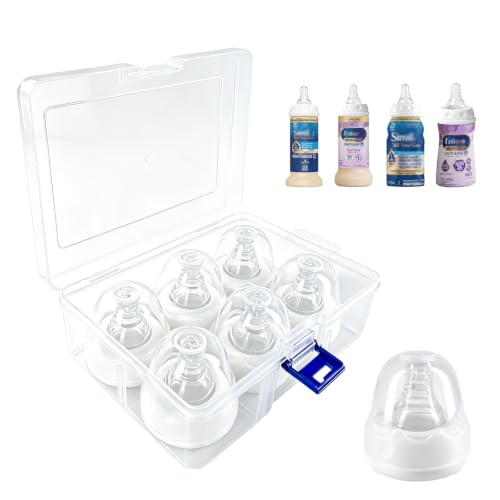
Disposable Feeding Bottles for Travel: The Complete Buying Guide
Everything you need to know about choosing, using, and packing disposable feeding bottles for stress-free feeding on the go. Compare systems, learn safety tips, and find the right setup for your family's next trip.
Why disposable feeding bottles matter for traveling parents: When you are on the road, in an airport, or visiting family, washing and sterilizing baby bottles can be impractical or even impossible. Disposable feeding bottles solve that problem by pairing a reusable holder with pre-sterilized, single-use liners or pouches. You feed, you discard the liner, and you move on with your day.
This guide walks you through how these systems work, what to look for, how many liners to pack, and how to feed safely when you are away from home. Whether you are planning a weekend getaway or a long-haul flight, the information below will help you make a confident decision before you buy.
What Are Disposable Feeding Bottles for Travel?
Disposable feeding bottles are a two-part system: a reusable outer holder (the bottle shell) and a single-use liner or pouch that holds the milk or formula. The liner is pre-sterilized, BPA-free, and designed to be discarded after one feeding. The holder is typically made from durable plastic or silicone and can be reused for the entire trip, often for months or years.
This design eliminates the need to wash and sterilize bottles between feeds when you do not have access to clean water, a microwave, or a sterilizer. It is especially useful for air travel, camping, road trips, and day-long outings. Many parents also keep a set in the diaper bag as an emergency backup, even if they normally use standard bottles at home. If you are building a complete travel feeding kit, you may also want to look at bottle feeding accessories that pair well with disposable systems.
How Disposable Bottle Systems Work
The mechanics are simple, but understanding the parts helps you choose the right system. Here is what you will typically find in a disposable bottle kit:
Reusable Holder
The outer shell that supports the liner. It usually has a screw-on ring and a nipple. Holders are designed to be wiped clean and reused throughout your trip.
Pre-Sterilized Liners
Single-use bags that hold the milk or formula. They collapse as your baby feeds, which can reduce air intake and spit-up. Liners are sold in rolls or packs.
Nipple & Ring
The feeding interface. Most systems use standard or wide-neck nipples, and some brands offer slow-flow options for newborns and faster-flow nipples for older babies.
Travel Case
Many kits include a compact carrying case that holds the holder, a few liners, and a nipple. This keeps everything clean and organized in your diaper bag.
To use the system, you drop a liner into the holder, fill it with milk or formula, attach the nipple and ring, and feed your baby. After the feeding, you remove the liner and throw it away. The holder and nipple can be wiped with a baby-safe wipe or washed when you have access to a sink. For a full breakdown of compatible parts, see our guide to bottle feeding accessories.
Benefits and Drawbacks of Disposable Feeding Bottles
No feeding system is perfect for every family. Here is an honest look at what disposable bottles do well and where they fall short.
✔ Advantages
- No washing or sterilizing between feeds while traveling
- Pre-sterilized liners reduce the risk of contamination
- Compact and lightweight for diaper bags and carry-ons
- Collapsing liner can reduce air ingestion and colic symptoms
- Ideal for air travel, camping, and places without clean water
- Works with both formula and expressed breast milk
✖ Limitations
- Ongoing need to restock liners for each trip
- Some babies prefer the feel of a standard bottle nipple
- Liners can leak if not seated correctly in the holder
- Not a long-term replacement for a daily-use bottle set
- Environmental impact of single-use plastic liners
- Fewer nipple shape options compared to standard bottles
For most families, disposable bottles are a travel tool rather than a full-time feeding solution. They shine in situations where cleaning is difficult, and they can be a lifesaver during long travel days. If you are also packing for a newborn, you may want to review our guide to baby bassinet options for safe sleep on the go, and portable infant bassinet choices for overnight trips.
Disposable Bottle Systems by Tier
Disposable feeding systems vary in build quality, nipple options, and included accessories. To help you compare without focusing on numbers, we use universal quality tiers. Choose the tier that matches how often you travel and how much convenience you want.
Starter Travel Kit
Basic holder with a small pack of liners and a standard nipple. Good for occasional outings and short day trips. Simple, lightweight, and easy to replace.
Best for: Parents who travel occasionally and want a backup feeding option.
Mid-Range Travel System
More durable holder, a wider choice of nipple flows, and a carrying case. Often includes a larger liner pack. A solid choice for regular weekend travel.
Best for: Families who travel monthly and need a reliable, reusable holder.
Premium Travel Set
High-grade materials, ergonomic holder design, multiple nipples, and a well-organized travel case. Designed for frequent flyers and long trips.
Best for: Frequent travelers who want a polished, durable system with extras.
In general, mid-range systems offer a smoother assembly and a better seal than entry-level kits, while top-tier sets add convenience features like compact cases and anti-colic nipples. If you are also shopping for a lightweight stroller to pair with your travel feeding kit, see our guide to lightweight stroller options.
Disposable vs. Standard Bottles: Travel Comparison
Use this table to see how disposable systems compare with standard reusable bottles for travel scenarios. The comparison focuses on practical factors, not numbers.
| Factor | Disposable Feeding Bottles | Standard Reusable Bottles |
|---|---|---|
| Cleaning on the go | No washing needed; discard liner after each feed | Requires washing and sterilizing between feeds |
| Packing footprint | Compact holder plus flat liner packs | Bulkier; multiple bottles take up space |
| Sterilization | Liners are pre-sterilized | Requires boiling, steam, or chemical sterilization |
| Nipple options | Limited to system-compatible nipples | Wide variety of shapes, flows, and materials |
| Best use case | Travel, camping, air travel, emergencies | Daily home feeding and long-term use |
| Environmental impact | Single-use plastic liners | Reusable; lower ongoing waste |
What to Look For When Buying Disposable Feeding Bottles
Before you choose a system, run through this checklist. It will help you avoid leaks, feeding frustration, and wasted pack space.
- BPA-free and food-grade materials — Check both the holder and the liners. Reputable brands clearly label their materials.
- Compatible nipple flow — Match the nipple to your baby's age and feeding pace. Slow-flow for newborns, medium or fast-flow for older babies.
- Secure liner seating — The liner should lock into the holder without slipping. Poor seating is the most common cause of leaks.
- Collapsible liner design — Liners that collapse as baby feeds can reduce air intake and help with gassy babies.
- Travel case included — A compact case keeps the holder and nipples clean in your diaper bag. Look for one that fits your bag's side pocket.
- Liner availability — Make sure replacement liners are easy to find and come in pack sizes that match your travel frequency.
- Ease of assembly — You will assemble bottles in airports and rest stops. A simple screw-on ring is easier than a multi-part system.
- Dishwasher-safe holder — Even though you may not wash on the go, a dishwasher-safe holder is easier to clean thoroughly at home.
If you are also preparing a diaper bag for travel, our guide to a backpack diaper bag with insulated bottle holder can help you keep milk at the right temperature. For shorter trips, a diaper bag with changing pad attached can simplify diaper changes on the road.
How to Use Disposable Feeding Bottles Safely
Disposable systems are convenient, but safe feeding still depends on how you handle milk, formula, and the bottle parts. Follow these steps every time.
- Wash your hands. Always clean your hands before assembling the bottle or preparing formula. Hand sanitizer works when soap and water are unavailable.
- Inspect the liner. Check that the liner is sealed, undamaged, and within its use-by date. Discard any liner that looks torn or cloudy.
- Seat the liner correctly. Place the liner into the holder and press it firmly around the rim. Make sure the liner sits flat and does not wrinkle at the opening.
- Prepare formula or milk safely. Use ready-to-feed formula or pre-measured powder when traveling. If using powder, mix with safe water. For breast milk, follow your usual storage and warming guidelines.
- Attach the nipple and ring. Screw the ring on until snug. Do not over-tighten, as this can distort the liner and cause leaks.
- Test the temperature. Shake a few drops onto your wrist. The milk should feel lukewarm, not hot.
- Feed and discard. Feed your baby as usual. Discard any unfinished milk and the liner after the feeding. Do not reuse liners.
- Wipe the holder. Wipe the holder and ring with a baby-safe wipe or wash them when you have access to a sink. Let them air-dry before the next use.
For families using formula on the road, our article on infant formula ready to feed explains how to pack and handle ready-to-feed options. If you are also managing pumping during travel, see pumping bras and silicone breast milk collector guides for practical tips.
How Many Liners Should You Pack?
The right number depends on your baby's feeding frequency and the length of your trip. Use this simple planning method:
Day Trip
Pack 2 liners for every expected feeding, plus 2 extra. For a 6-hour outing with 3 feeds, that means 8 liners.
Weekend Trip
Plan for 2 full days of feeds plus travel time. A typical weekend kit is 16 to 20 liners, depending on feeding frequency.
Long-Haul Flight
Pack 1 liner per feeding hour plus 4 extra. For a 10-hour flight with 4 feeds, bring 14 to 16 liners and 2 nipples.
Road Trip
Keep a resealable bag with 10 liners in the car and a larger pack in your luggage. Restock at your destination if needed.
Always pack one or two extra nipples in case one falls or gets soiled. A small wet bag is useful for storing used holders until you can wash them. If you are traveling with a toddler and need meal-time gear, our guide to a portable booster seat for restaurant use can help you plan feeding beyond the bottle.
Frequently Asked Questions
Are disposable feeding bottles safe for newborns?
Yes, when used correctly. Reputable disposable liners are pre-sterilized, BPA-free, and made from food-grade materials. Always check the liner is intact before use, follow the manufacturer's instructions, and discard the liner after a single feeding. If your newborn has special feeding needs, consult your pediatrician before switching systems.
Can I use disposable bottles with both formula and breast milk?
Absolutely. Disposable systems work with both formula and expressed breast milk. For formula, use ready-to-feed or pre-measured powder mixed with safe water. For breast milk, pour directly into the liner and follow your usual storage and warming practices. Never reuse a liner after a feeding.
Do disposable bottle liners really reduce colic?
Many parents report less gas and spit-up because the liner collapses as the baby feeds, which can reduce air ingestion. However, colic has many causes, and a bottle system alone may not solve it. If your baby has persistent colic symptoms, speak with your pediatrician.
How do I clean the reusable holder while traveling?
Wipe the holder and ring with a baby-safe cleaning wipe or rinse them with bottled water when available. At the end of the day, wash them with warm, soapy water and let them air-dry. A small bottle brush in your travel kit makes cleaning easier.
Are disposable feeding bottles environmentally friendly?
They are not the most eco-friendly option because the liners are single-use plastic. However, for many families they are a practical travel solution that reduces water and energy use for washing and sterilizing. If sustainability is a priority, use disposable systems only when necessary and choose liners made from recyclable materials where available.
Can I use disposable bottle liners with my existing bottle holder?
Only if the liners are designed for your holder's brand and size. Mixing brands can cause leaks or poor nipple fit. Always check compatibility before buying replacement liners, and follow the holder manufacturer's recommendations.
Ready to Pack Your Travel Feeding Kit?
You now have a clear picture of how disposable feeding bottles work, what to look for, and how to use them safely. Use the checklist above, choose the tier that matches your travel style, and pack with confidence. Your next trip can be simpler, cleaner, and calmer.
Explore More Baby Gear Guides