Organic Baby Formula: The Complete Buying Guide
Choosing the best organic formula for your baby is a big decision. Our guide covers nutrition, safety, top brands, and practical tips to help you feed your little one with confidence.
SEE TOP PICKSWhy trust this guide? We've analyzed dozens of organic baby formulas based on nutritional content, ingredient sourcing, safety certifications, and real parent reviews. Our goal is to help you make an informed, confident choice for your baby's health.
What Is Organic Baby Formula?
Organic baby formula is made from ingredients that are grown and processed without synthetic pesticides, fertilizers, or genetically modified organisms (GMOs). Strict regulations ensure that the milk (often from grass-fed cows or goats) and other components meet high standards for purity and sustainability. Many parents choose organic formula to minimize their baby's exposure to potentially harmful chemicals and support environmentally friendly farming practices.
When you're comparing formulas, it's important to know that "organic" isn't just a marketing term – it's a certification backed by rigorous standards. Look for labels like USDA Organic or EU Organic, which guarantee that at least 95% of the ingredients are organic. This can give you peace of mind about what you're feeding your baby.
Key Nutritional Components to Look For
Every organic formula must meet the same basic nutritional requirements as conventional formulas, but the quality of ingredients can vary. Here are the most important elements to check on the label:
DHA & ARA
Omega-3 and -6 fatty acids crucial for brain and eye development.
Iron
Essential for cognitive development and preventing anemia.
Prebiotics
Support a healthy gut microbiome and digestion.
Protein
High-quality protein from organic milk or soy supports growth.
Vitamins & Minerals
Look for vitamin D, calcium, and choline for overall health.
No Corn Syrup
Many premium organic formulas use lactose as the primary carbohydrate.
Organic formulas often include higher-quality fats and oils, like organic sunflower or coconut oil, instead of palm olein, which some studies suggest may affect calcium absorption. Learn more about premium infant formula ingredients to understand the differences.
Types of Organic Baby Formula
Just like conventional formulas, organic formulas come in several types to accommodate different needs:
- Organic Cow's Milk Formula: The most common type, made from organic cow's milk. It's suitable for most babies and is available in various stages.
- Organic Goat's Milk Formula: A gentle alternative for babies with sensitivities to cow's milk protein. Goat's milk has smaller fat globules and may be easier to digest.
- Organic Soy Formula: A plant-based option for babies who are lactose intolerant or for families following a vegetarian lifestyle.
- Hypoallergenic Organic Formula: Specially formulated with extensively hydrolyzed proteins for babies with milk protein allergies. Check our guide on hypoallergenic formula for more details.
When choosing, consider your baby's age, any known sensitivities, and your pediatrician's recommendations. It's always best to introduce a new formula gradually and watch for any adverse reactions.
Top Organic Formula Brands of 2026
Based on ingredient quality, safety records, and parent feedback, these are some of the leading organic formula brands available today:
1. Happy Family Organics
Known for their clean ingredients and commitment to sustainability. Their formula includes DHA, ARA, and prebiotics, and is available in both cow's milk and soy varieties. Price: $35–$45 per can.
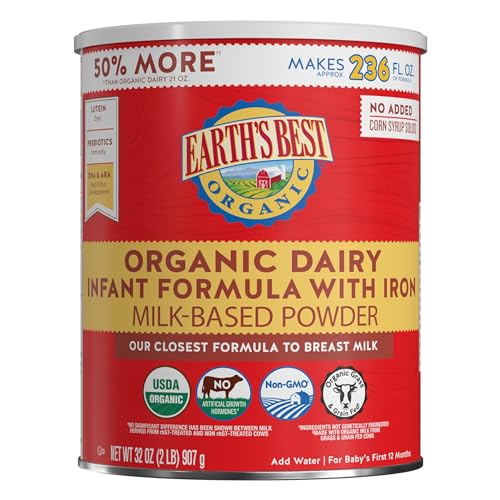
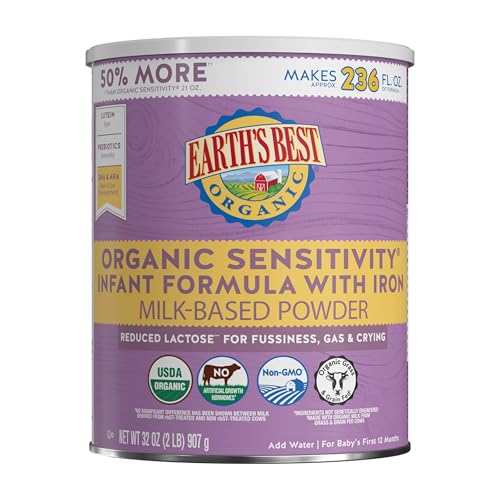
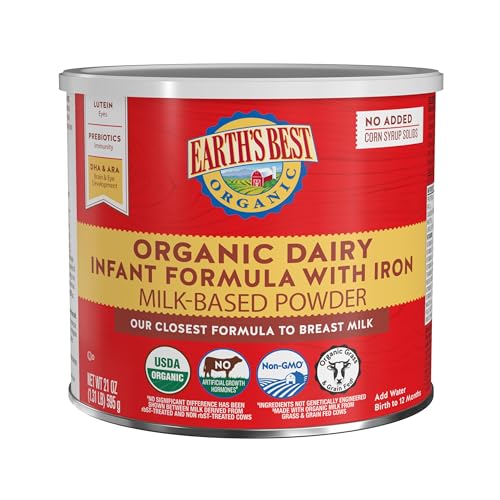
2. Earth's Best Organic
One of the most well-known organic brands, Earth's Best offers a full line of formulas, including sensitivity and soy options. They use lactose as the primary carbohydrate. Price: $28–$38 per can.
3. Similac Organic
Backed by the trusted Similac name, this formula provides complete nutrition with a focus on brain and eye development. Price: $32–$42 per can.
4. Gerber Good Start Organic
Offers a gentle formula with Comfort Proteins that are easy for babies to digest. It also includes DHA and prebiotics. Price: $30–$40 per can.
5. Bobbie Organic
A newer brand that has gained popularity for its European-style recipe, with no corn syrup or palm oil. It's modeled after breast milk and meets FDA requirements. Price: $39–$49 per can.
Prices are approximate and can vary by retailer. Always check for the latest deals and subscription options to save money. Read our baby budget guide for more tips on saving without compromising quality.
How to Choose the Right Organic Formula for Your Baby
With so many options, narrowing down the best choice can feel overwhelming. Here's a step-by-step approach:
- Consult Your Pediatrician: Always involve your baby's doctor, especially if your baby has allergies, reflux, or other health concerns.
- Check the Ingredient List: Look for a primary carbohydrate like lactose, high-quality fats, and a DHA/ARA blend. Avoid formulas with added sugars or artificial preservatives.
- Consider Your Baby's Tolerances: If your baby is gassy or fussy, a "gentle" or "sensitive" organic formula might be a better fit.
- Read Reviews: Hearing from other parents can be incredibly helpful. Look for reviews that mention your specific concerns.
- Start with a Single Can: Buy a small amount first to see how your baby tolerates it before committing to bulk purchases.
Remember, the best formula is one that your baby tolerates well and that fits your budget and values. It may take a few tries to find the perfect match, and that's perfectly normal.
Organic vs. Conventional Formula: What's the Difference?
The primary difference lies in how the ingredients are sourced and processed. Organic formulas are made from milk or soy that comes from farms not using synthetic pesticides, hormones, or antibiotics. This can mean fewer artificial chemicals in your baby's diet and a smaller environmental footprint.
However, it's important to note that all infant formulas sold in the US must meet strict FDA nutritional requirements, regardless of whether they're organic. Conventional formulas are safe, nutritious, and perfectly good choices as well. The decision often comes down to personal preference, budget, and your baby's specific needs. Compare premium infant formula options to see how they stack up.
Tips for Safe & Comfortable Formula Feeding
Once you've chosen your organic formula, proper preparation and feeding practices are essential for your baby's health:
- Follow the Instructions: Always use the exact ratio of powder to water as directed on the package. Too much or too little water can be dangerous.
- Use Safe Water: If you're using tap water, boil it and let it cool to room temperature before mixing, or use bottled nursery water.
- Clean Bottles Thoroughly: Sterilize bottles and nipples regularly, especially for newborns.
- Warm It Up: Most babies prefer warm formula. You can use a portable bottle warmer for convenience on the go.
- Don't Forget to Burp: Burp your baby halfway through and after feeding to reduce gas and discomfort.
With these tips, you can make formula feeding a smooth and positive experience for both you and your baby.
Ready to Choose the Best Organic Formula?
Browse our top-rated picks below and find the perfect fit for your baby. Every product has been carefully reviewed for quality, nutrition, and safety.
SHOP TOP ORGANIC FORMULAS