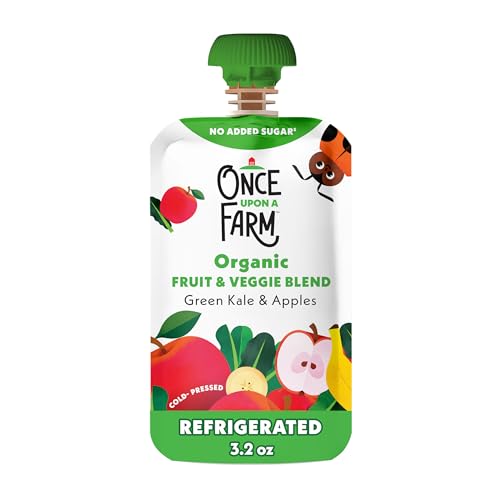
Once Upon a Farm Fruit and Veggie Blend: The Complete Guide for Parents
Everything you need to know about cold-pressed organic fruit and veggie pouches — ingredients, nutrition, flavor variety, and how to introduce them to your baby's feeding routine.
Explore the GuideWhy Parents Research the Once Upon a Farm Fruit and Veggie Blend
When parents begin researching the Once Upon a Farm fruit and veggie blend, they usually already know the product exists and they understand why organic baby food matters. What they still need is clarity: what exactly goes into each pouch, how the blends are made, which flavors suit which developmental stage, and how the brand compares to other options in the organic baby food category. This guide is built to answer those questions in one place, so you can decide with confidence.
Once Upon a Farm is best known for its cold-pressed approach. Rather than using high-heat processing that can degrade delicate nutrients, the brand uses high-pressure processing (HPP) to help preserve the taste, color, and nutritional profile of the fruits and vegetables. For parents comparing pouches across the baby food aisle, that distinction matters — it is one of the reasons this brand sits in the premium and top-tier segment of the organic pouch category rather than the entry-level tier.
Below, we break down the product line in detail: what the fruit and veggie blends contain, how they fit into a feeding schedule, which flavors work best for different ages, and what practical factors to consider before you add pouches to your cart. If you are also building out a broader feeding toolkit, our related guides on infant oatmeal and ready-to-feed infant formula can help you round out the plan.
What Exactly Is a Once Upon a Farm Fruit and Veggie Blend?
A Once Upon a Farm fruit and veggie blend is a shelf-stable pouch of cold-pressed, certified organic puree that combines fruit with vegetables in a single serving. The core idea is simple: instead of offering babies a single-ingredient fruit puree, these blends pair naturally sweet fruit with vegetables so that a baby's palate is introduced to savory and earthy flavors early, alongside sweetness. That approach is often recommended by feeding specialists who want to reduce the risk of a baby developing a strong preference for sweet foods only.
The blends typically contain no added sugar, no artificial preservatives, no artificial colors, and no added flavors. Many varieties include additional nutrient-dense ingredients such as chia seeds, oats, yogurt cultures, or avocado, depending on the specific recipe. The result is a thick, spoonable puree that works both as a standalone snack and as a mix-in for cereal or oatmeal.
Because the pouches are designed for different developmental stages, they range from very smooth blends suitable for early eaters to thicker, more textured combinations aimed at older babies and toddlers who are practicing chewing. This staged approach is one of the reasons parents researching the category often land on this brand — the product line grows with the child rather than forcing a single texture throughout the entire first year.
Ingredients and Nutritional Profile
The ingredient list on a Once Upon a Farm fruit and veggie blend is intentionally short. Most pouches list fruit first, followed by vegetables and any functional additions. For example, a typical blend might combine apple or pear with sweet potato, carrot, or butternut squash, with a small amount of lemon juice to help maintain color and freshness. Recipes that include oats or chia add fiber and a slightly heartier texture, while yogurt-based blends contribute protein and live cultures.
From a nutrition standpoint, these pouches are primarily a source of carbohydrates and fiber from whole fruits and vegetables, with modest protein depending on the recipe. They are not intended to replace breast milk or formula as the primary source of nutrition during the first year — they are a complement to a milk-based diet. Parents should treat pouches as one component of a balanced feeding plan that includes organic baby formula or breast milk, plus eventually iron-rich foods and other solid textures.
It is also worth noting what the blends avoid. They are free from added sugars and high-fructose corn syrup, which is a meaningful differentiator in a category where some competing products rely on fruit juice concentrates for sweetness. For parents who are specifically avoiding added sugar in the first two years, that formulation choice is a significant point in the brand's favor.
How the Product Line Is Structured
Rather than listing abstract numbers, it helps to understand the line through a consistent tier framework based on developmental stage and recipe complexity:
| Tier | Best For | Typical Characteristics |
|---|---|---|
| Essential tier | Babies around 6 months beginning solids | Simple single-fruit or fruit-first blends, very smooth texture, gentle flavors |
| Balanced tier | Babies 7–9 months exploring combinations | Fruit and vegetable pairings, moderate thickness, mild savory notes |
| High-end tier | Babies 9–12 months developing chewing skills | Added oats, chia, or yogurt for texture and fiber, richer flavor profiles |
| Top-tier blends | Toddlers 12 months and older | Thicker blends with more complex ingredient lists and heartier textures |
Note: tier labels describe relative position and developmental fit within the line, not absolute rankings.
Flavor Variety and How to Choose
The flavor range is one of the most practical considerations when you are comparing pouches. The brand's fruit and veggie blends generally fall into a few recognizable flavor families, and understanding them helps you plan a rotation that keeps mealtime interesting without overwhelming a new eater.
- Apple and root vegetable blends — Apple paired with sweet potato or carrot produces a naturally sweet, smooth puree that is often a good starting point for babies who are new to savory flavors.
- Pear and green vegetable blends — Pear combined with spinach, pea, or zucchini introduces a greener flavor profile while keeping a familiar sweetness in the foreground.
- Berry and oat blends — Berries with oats add fiber and a thicker texture, which suits older babies practicing more advanced chewing.
- Tropical and squash blends — Mango or banana combined with butternut squash creates a rich, velvety puree that tends to be popular with toddlers.
- Yogurt and fruit blends — These combine fruit with cultured yogurt for a creamier texture and a protein contribution, often introduced once dairy has been cleared with a pediatrician.
A useful strategy is to start with a single flavor family in the essential tier, observe for tolerance over a few days, then rotate into the balanced tier and gradually introduce thicker blends. This mirrors the staged approach used across the organic baby food landscape and keeps the introduction of new ingredients controlled and easy to track.
How to Introduce Fruit and Veggie Blends to Your Baby
Introducing a new pouch is less about the pouch itself and more about timing and readiness. Most pediatric guidance suggests waiting until around 6 months, when a baby can sit with support, shows interest in food, and has lost the tongue-thrust reflex. Before that point, breast milk or formula provides complete nutrition, and solid foods are not necessary.
When you are ready, start with a small spoonful of a simple blend and offer it alongside the usual milk feed rather than replacing it. Watch for signs of readiness and tolerance over the following days — stool changes, skin reactions, and general comfort are the practical signals parents track. If a reaction seems unusual, pause the new food and consult your pediatrician, which is the same guidance that applies across the organic baby food category.
As your baby grows, pouches can be served directly from the pouch with a spoon, squeezed into a bowl, or used as a mix-in for infant oatmeal to add flavor and moisture. Some parents also use them when traveling, since the sealed pouch format is convenient and requires no refrigeration before opening. If you are preparing a full feeding kit for outings, pairing pouches with items like disposable feeding bottles for travel and dribble bibs with waterproof backing makes the whole routine easier.
How Once Upon a Farm Fits Into the Wider Baby Food Landscape
Parents researching this brand are usually comparing it with a handful of other organic pouch options. The honest summary is that Once Upon a Farm positions itself in the premium and top-tier segment, built around cold-pressed processing, organic certification, and short ingredient lists. Entry-level pouches in the category often rely on simpler blends and higher-heat processing; mid-range options typically add more texture variety; the top-tier blends in this line emphasize ingredient quality and processing method as their differentiators.
That positioning is not a claim that every family must choose the premium tier. It is simply a factual description of where the brand sits relative to the market. Families who prioritize cold-pressed processing and a clean ingredient list will find it a strong fit; families who are building a feeding plan around iron-rich homemade purees may use pouches as a convenient supplement rather than the foundation. Both approaches are valid, and this guide is meant to help you place the product accurately within your own routine.
For a broader view of how solid foods fit alongside milk feeds in the first year, our ready-to-feed infant formula guide explains the complementary role of formula, and our organic baby formula overview covers how to compare formulas if you are still deciding on that part of the plan.
Frequently Asked Questions
What is the Once Upon a Farm fruit and veggie blend?
It is a line of cold-pressed, certified organic baby food pouches that combine fruits and vegetables into smooth, nutrient-rich blends designed for babies and toddlers. The blends contain no added sugar, preservatives, or artificial flavors.
At what age can a baby start eating these pouches?
Most babies can begin around 6 months, when they show readiness signs for solid foods such as sitting with support and showing interest in food. Always consult your pediatrician before introducing new foods.
Are the fruit and veggie blends organic?
Yes. Once Upon a Farm fruit and veggie blends are made with certified organic ingredients and are formulated without added sugars, artificial preservatives, or artificial flavors.
How should the pouches be stored?
Store unopened pouches in a cool, dry place. After opening, refrigerate and consume within 24 to 48 hours according to the packaging instructions on the specific product.
Can pouches replace breast milk or formula?
No. Pouches are a complement to a milk-based diet, not a replacement. Breast milk or formula remains the primary source of nutrition during the first year, with solid foods introduced alongside.
Ready to Explore Your Options?
Now that you understand what the Once Upon a Farm fruit and veggie blend offers, you can compare it against other organic options with a clear head. Use the product list below to view the current lineup and check availability.
View Recommended Products