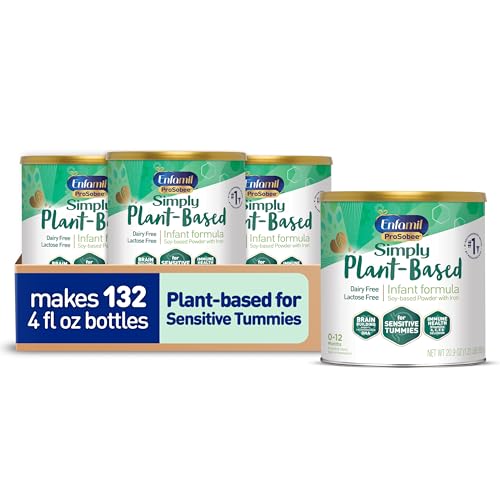
What Is Vegan Formula for Infants?
Vegan formula for infants is a plant-based alternative to traditional cow's milk-based infant formula. It is designed to provide essential nutrients for babies while excluding all animal-derived ingredients. Most vegan formulas on the market are either soy-based or use alternative plant proteins such as pea protein, and they are fortified with vitamins, minerals, and fatty acids to support healthy growth and development.
Parents choose vegan formula for various reasons: ethical concerns about animal welfare, environmental sustainability, cultural or religious dietary practices, or because their baby has been diagnosed with a cow's milk protein allergy. It is important to note that while vegan formula can be nutritionally complete, not all plant-based milks (like almond, oat, or rice milk) are suitable for infants — only commercially prepared and fortified infant formulas should be used.
Nutritional Considerations for Vegan Infant Formula
Infant formula must meet strict nutritional standards to support a baby's rapid growth and development. When evaluating vegan formula, parents should pay attention to several key nutrients:
- Protein: Soy protein isolate or pea protein are common vegan sources. These provide all essential amino acids when properly formulated. For breastfed infants, breast pumps covered under insurance can help maintain milk supply if you choose to combination-feed.
- Fats: Vegan formulas typically use plant oils (such as sunflower, coconut, and canola oil) to provide essential fatty acids, including DHA and ARA, which are critical for brain and eye development.
- Carbohydrates: Lactose-free vegan formulas may use glucose syrup solids, maltodextrin, or sucrose as carbohydrate sources. Some formulas use lactose derived from plants (though rare), while most soy formulas are lactose-free.
- Vitamins and Minerals: Vegan formulas are fortified with essential vitamins and minerals, including vitamin D, vitamin B12, calcium, iron, and zinc. Vitamin B12 is particularly important because it is naturally found only in animal products; fortified formula ensures adequate intake.
- DHA and ARA: These omega-3 and omega-6 fatty acids are crucial for brain and visual development. Many premium vegan formulas include plant-derived DHA from algae.
If you are considering transitioning from breastfeeding, you may want to explore resources on breastfeeding versus formula to make an informed decision. Additionally, for mothers who pump, silicone breast milk collectors can be a useful accessory.
Types of Vegan Infant Formula
Vegan infant formulas generally fall into two categories based on their protein source:
1. Soy-Based Formula
Soy-based formula is the most widely available type of vegan infant formula. It uses soy protein isolate as the protein source and is naturally lactose-free. Soy formula has been used for decades and is generally considered safe for healthy infants. It may be recommended for babies with galactosemia or lactose intolerance. However, some parents have concerns about soy phytoestrogens — research has not found evidence of adverse effects in infants, but it's always best to consult your pediatrician.
2. Pea Protein-Based Formula
Pea protein-based formulas are a newer addition to the market. They are often marketed as hypoallergenic and may be suitable for babies with soy allergies. Pea protein is a complete protein and is easily digestible. These formulas are typically in the premium or top-tier category due to their specialized formulation and sourcing.
3. Hydrolyzed Vegan Formula
Some vegan formulas use extensively hydrolyzed plant proteins for babies with severe protein allergies. These are usually available in the professional-grade tier and should be used under medical supervision.
How to Choose the Best Vegan Formula for Your Infant
When selecting a vegan formula, consider the following factors:
- Age appropriateness: Ensure the formula is designed for your baby's age (e.g., 0–12 months, or stage 1, stage 2).
- Nutritional completeness: Look for formulas that meet FDA or EU organic standards and are fortified with all essential nutrients.
- Protein source: Choose between soy or pea protein based on your baby's tolerance and any allergy concerns.
- Added DHA/ARA: Algae-derived DHA is a vegan-friendly addition that supports brain development.
- Certifications: Look for organic, non-GMO, and vegan certifications where available.
- Tier considerations: Entry-level options are basic soy formulas; mid-range formulas may include added DHA and prebiotics; premium and luxury tiers often feature organic ingredients, pea protein, and hypoallergenic properties.
If you are also exploring complementary feeding options, you might find our guides on organic baby formula and infant formula ready to feed helpful. For babies with sensitive skin or eczema, goat's milk formula may be another alternative to consider (though not vegan).
Comparison of Vegan Formula Types
| Formula Type | Protein Source | Best For | Tier |
|---|---|---|---|
| Soy-Based | Soy protein isolate | Lactose intolerance, galactosemia, vegan families | Entry-level to mid-range |
| Pea Protein-Based | Pea protein isolate | Soy allergies, sensitive tummies | Mid-range to premium |
| Hydrolyzed Vegan | Extensively hydrolyzed plant protein | Severe protein allergies | Professional-grade |
| Organic Vegan | Organic soy or pea protein | Families prioritizing organic ingredients | Premium to luxury |
Safety and Regulatory Standards
Infant formula is one of the most tightly regulated food products. In the United States, the FDA oversees infant formula manufacturing and requires all formulas to meet specific nutritional requirements. Similarly, the European Union has strict standards for infant formula. When choosing a vegan formula, ensure it complies with these regulations. Avoid homemade plant-based milks, as they are not nutritionally adequate for infants and can lead to serious deficiencies.
Always consult your pediatrician before switching your baby to a vegan formula, especially if your baby has a history of allergies, digestive issues, or was born prematurely. Your doctor can help you determine if a vegan formula is appropriate and monitor your baby's growth and development.
For parents who are combination feeding or transitioning, bottle-feeding accessories and disposable feeding bottles for travel can be practical additions to your feeding routine.
Feeding Tips for Vegan Formula
- Follow the preparation instructions on the formula can carefully. Use boiled and cooled water, and measure the formula powder accurately.
- Do not add extra water or formula, as this can upset the nutritional balance.
- Discard any leftover formula after feeding to avoid bacterial growth.
- Transition gradually if your baby is switching from another formula. Mix a small amount of the new formula with the old one and increase the ratio over several days.
- Watch for signs of intolerance, such as excessive gas, diarrhea, rash, or vomiting. If you notice any of these, consult your pediatrician.
If you are also preparing for mealtime beyond formula, you may find our guides on baby food and infant oatmeal useful as your baby approaches the age of 6 months. And for moms looking for maternity and postpartum essentials, pumping bras and silicone breast milk collectors can support your feeding journey.
Frequently Asked Questions (FAQ)
Is vegan formula safe for infants?
Yes, when properly formulated and compliant with infant formula regulations, vegan infant formula can meet a baby's nutritional needs. Always consult your pediatrician before switching.
What is vegan formula made from?
Most vegan formulas are soy-based or use plant proteins like pea protein, with added vitamins, minerals, and fats to replicate the nutritional profile of breast milk or standard formula.
Can babies be allergic to vegan formula?
Yes, some babies may be allergic to soy or other plant proteins. If you suspect an allergy, consult your pediatrician for appropriate alternatives.
How do I transition my baby to vegan formula?
Gradually mix the new formula with the old one over several days, increasing the proportion of the new formula to help your baby adjust.