Baby Safety: The Ultimate Guide to Protecting Your Little One
From newborn sleep safety to childproofing your home, car seats, and essential products — everything you need to keep your baby safe and sound.
Why Baby Safety Matters: As a parent, your baby's safety is your top priority. This guide covers the most critical aspects of baby safety, including car seats, sleep environments, home childproofing, and choosing the right safety products. We’ve curated expert advice and practical tips to help you create a safe haven for your little one.
Car Seat Safety: Choosing the Right Seat
Selecting the correct car seat is one of the most important safety decisions you'll make. The right seat depends on your child's age, weight, and height. Always follow the manufacturer's guidelines and your local laws.
- Rear-facing is safest for infants and toddlers. Keep your child rear-facing as long as possible.
- Convertible car seats grow with your child, transitioning from rear-facing to forward-facing.
- Booster seats are for older children who have outgrown forward-facing seats.
For a deeper dive into selecting the perfect seat, check out our comprehensive car seat guide and learn about proper installation and safety checks.
Safe Sleep: Reducing the Risk of SIDS
Creating a safe sleep environment is crucial for your baby's well-being. Follow the ABCs of safe sleep: Alone, Back, Crib.
- Always place your baby on their back to sleep.
- Use a firm, flat sleep surface like a crib or bassinet with a fitted sheet.
- Keep soft objects, loose bedding, and toys out of the sleep area.
- Room-sharing (but not bed-sharing) is recommended for the first 6–12 months.
For more sleep safety tips, explore our articles on baby sleep safety and the best nursery bedding for safe sleep. If you're looking for a co-sleeper, see our top co-sleeper bassinet picks.
Childproofing Your Home: A Room-by-Room Guide
As your baby grows, they become more mobile and curious. Childproofing your home is essential to prevent accidents. Here are the key areas to focus on:
Kitchen & Bathroom
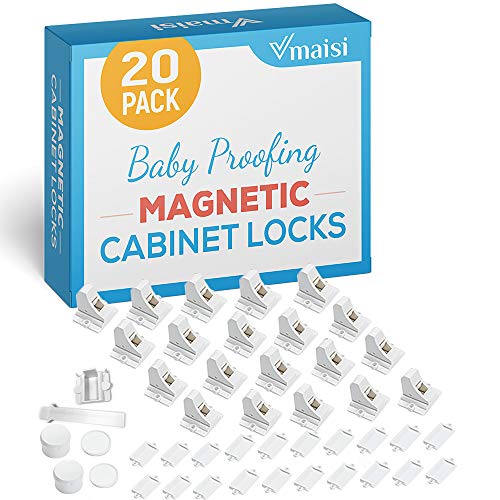
- ✓ Install cabinet locks on all lower cabinets.
- ✓ Use stove knob covers and oven locks.
- ✓ Set water heater to 120°F (49°C) to prevent burns.
- ✓ Store cleaning supplies and medications out of reach.
Living Room & Bedrooms
- ✓ Anchor heavy furniture (bookshelves, dressers) to the wall.
- ✓ Cover sharp corners with corner protectors.
- ✓ Use cordless blinds or keep cords short.
- ✓ Install safety gates at the top and bottom of stairs.
General Safety
- ✓ Keep small objects (<1.5 inches) out of reach to prevent choking.
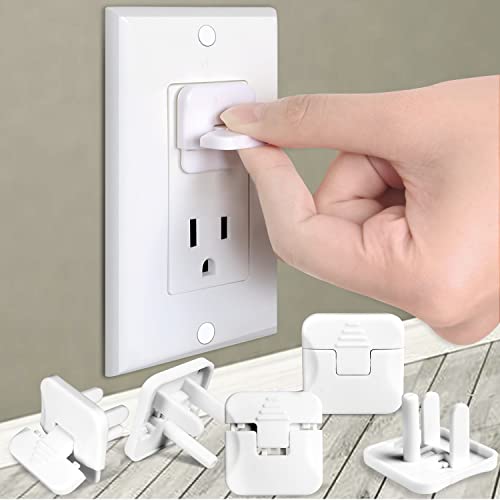
- ✓ Use outlet covers and cord protectors.
- ✓ Secure rugs with non-slip pads.
- ✓ Install baby monitors for peace of mind.
For specific childproofing products, check our guides on baby gates, baby proofing tools, and baby monitors. If you have pets, don't forget to secure pet gates as well.
Essential Baby Safety Products Checklist
Equip your home with these must-have safety products to keep your baby protected at every stage.
🛡️ Car Seats
Infant, convertible, or all-in-one. Ensure it's properly installed.
🛏️ Sleep Monitors
Video or audio monitors with temperature sensors and breathing detection.
🔒 Safety Gates
Pressure-mounted or hardware-mounted gates for stairs and doorways.
🧸 Cabinet Locks
Magnetic or sliding locks for cabinets and drawers.
🔌 Outlet Covers
Plug covers or sliding outlet plates to prevent electrical shocks.
🧴 First Aid Kit
Baby-specific first aid supplies, including a thermometer and nail clippers.
See our complete baby registry checklist for a full list of safety essentials.
Emergency Preparedness: What Every Parent Should Know
Being prepared for emergencies can make all the difference. Take a baby CPR and first aid course. Keep emergency numbers (poison control, pediatrician) visible. Prepare a baby emergency kit with diapers, wipes, formula, and a change of clothes.
Also, learn to recognize choking hazards and be aware of common food allergies. A homeopathic medicine for diaper rash might be helpful, but always consult your pediatrician first.
More Safety Insights
Baby safety extends beyond the home. When traveling, consider compact baby gear and travel-friendly safety products. For outdoor activities, ensure your baby push walker and ride-on cars meet safety standards.
Don't forget about oral hygiene! Starting early with baby teeth cleaning and using a baby toothbrush is part of overall health and safety. Also, be mindful of safe sleep bags for winter and appropriate baby clothing for the season.
Ready to Create a Safe Home?
Start with our recommended safety products below. Every purchase supports our independent reviews at no extra cost to you.