Baby Push Walker Guide: Support Your Toddler's First Steps
Discover everything you need to know about choosing the perfect baby push walker – from safety features to developmental benefits and our top recommendations.
Why Trust This Guide? As new parents ourselves, we understand how overwhelming it can be to choose the right baby gear. This comprehensive guide on baby push walkers covers everything from safety considerations to the best features for your toddler's development. Whether you're looking for a wooden push walker, a musical activity walker, or a simple sturdy design, we've got you covered.
What Is a Baby Push Walker?
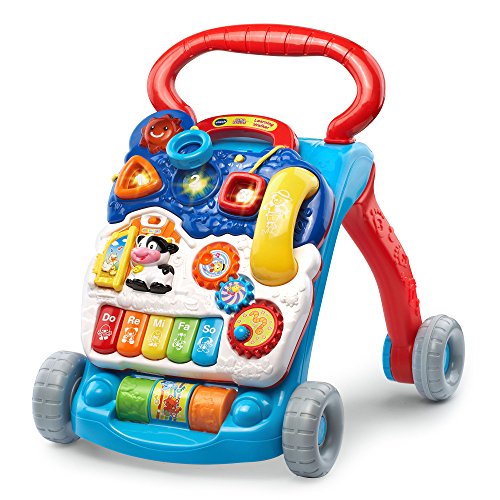
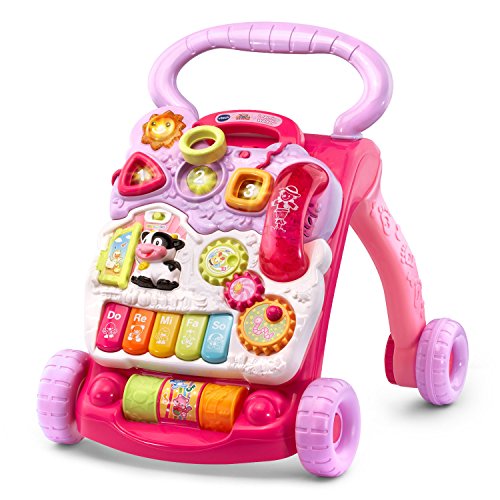
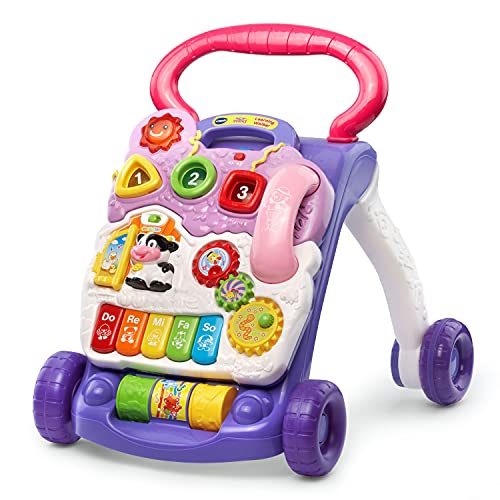
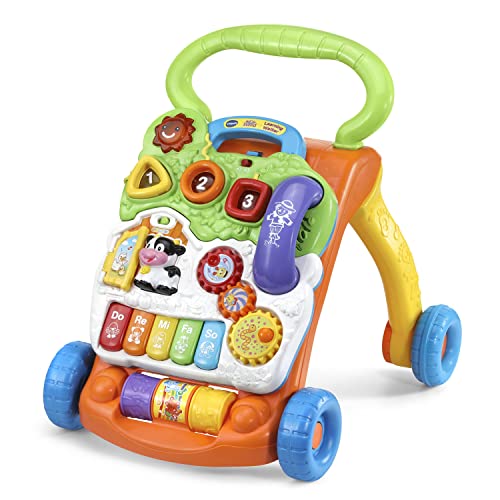
A baby push walker (also called a toddler push walker or baby activity walker) is a wheeled toy designed to help babies and toddlers develop balance, coordination, and walking skills. Unlike traditional seated baby walkers (which have been banned in some countries due to safety concerns), push walkers are activity toys that encourage children to stand and walk while pushing the device forward. They typically feature a sturdy frame, wheels, a handle for pushing, and often include interactive elements like buttons, gears, or musical toys to keep little ones engaged while they build strength and confidence.
Key Features to Look For
🛞 Speed Control
Look for walkers with adjustable wheel resistance or brake systems that prevent the walker from rolling too fast, giving your baby more control.
🏗️ Sturdy Construction
A wide base and durable materials ensure the walker stays stable and won't tip over. Avoid lightweight plastic frames that can wobble.
🎵 Interactive Features
Activity panels with buttons, lights, sounds, and shape sorters keep your baby entertained while developing fine motor skills and cognitive abilities.
🔄 Multi-Functional Design
Many push walkers convert into activity tables or include removable play panels, extending the toy's life beyond the walking phase.
📏 Height Adjustment
Adjustable handle heights allow the walker to grow with your child and accommodate different heights for comfortable use.
🪵 Material Quality
Premium wooden push walkers offer durability and aesthetic appeal, while plastic options often provide more interactive features at a lower price point.
How to Choose the Best Baby Push Walker
When shopping for a baby push walker, consider the following factors to make the best choice for your little one:
-
Age Appropriateness: Most babies start using push walkers between 9 and 12 months of age. Ensure the walker you choose is designed for your baby's developmental stage. Some models are suitable for younger babies (6+ months) as stationary activity centers before converting to walkers.
-
Safety First: Always check that the walker meets safety standards (ASTM F977 in the US). Look for a wide, stable base, secure wheel locks, and smooth edges. Avoid walkers with small parts that could be choking hazards.
-
Weight Capacity: Check the manufacturer's weight recommendations – most push walkers support up to 30–40 lbs, but this varies by model. Choose one that accommodates your child's growth.
-
Surface Compatibility: Consider where you'll primarily use the walker. Some models work best on carpet, while others are designed for hardwood floors. All-terrain wheels are ideal for multi-surface homes.
-
Storage & Portability: If space is limited, look for a foldable push walker. Many models also come with storage compartments or baskets for carrying toys, making them more practical for playtime.
-
Interactive Learning Elements: The best push walkers combine walking practice with cognitive development. Look for developmental toys that promote learning through play, including shape sorters, musical instruments, and cause-and-effect activities.
-
Price Range: Baby push walkers are available at various price points. Basic plastic models start around $30, while premium wooden walkers with interactive features can cost $80–$150. Consider your budget and the features that matter most to you.
Developmental Benefits of Push Walkers
A quality baby push walker offers numerous developmental benefits for your toddler:
-
👣
Physical Development: Push walkers strengthen leg muscles, improve balance, and teach weight shifting – essential skills for independent walking.
-
🧠
Cognitive Development: Activity panels with puzzles, sounds, and lights stimulate brain development and teach cause-and-effect relationships.
-
🤝
Motor Skills: Pushing, turning, and steering help develop both gross and fine motor skills. Activities like shape sorting or spinning gears improve dexterity.
-
😊
Confidence Building: As babies gain independence and mobility, they build self-esteem and develop a sense of accomplishment.
Essential Safety Tips
- Always Supervise: Never leave your baby unattended while using a push walker. Stay close to prevent falls or collisions.
- Use on Safe Surfaces: Keep walkers away from stairs, uneven surfaces, and areas with hazards. Use on flat, open spaces only.
- Check for Recalls: Before purchasing, verify that the walker hasn't been recalled. Check the Consumer Product Safety Commission (CPSC) website for updates.
- Limit Usage Time: Avoid keeping your baby in a push walker for extended periods. Use it as a short-term activity to prevent over-reliance on the device.
- Barefoot or Non-Slip Socks: Babies get better grip and can feel the floor better when barefoot. Avoid slippery socks that can cause falls.
- Age Restrictions: Follow the manufacturer's age recommendations. Most push walkers are designed for babies who can sit up independently and stand with support.
Frequently Asked Questions
When should I introduce a push walker to my baby?
Most babies are ready for a push walker between 9 and 12 months of age. Your baby should be able to sit up independently and stand with support. Always follow the manufacturer's age recommendations and consult your pediatrician if you're unsure.
Are push walkers better than seated baby walkers?
Yes, push walkers are generally recommended over seated baby walkers. Seated walkers (the type where the baby sits inside) have been linked to increased accident risks and can delay walking development. Push walkers, on the other hand, encourage natural walking movements and provide valuable developmental benefits while being safer when used with proper supervision.
Can a baby push walker cause bowlegs or walking problems?
There is no evidence that properly designed push walkers cause bowlegs or walking problems. In fact, they help strengthen leg muscles and improve balance. However, avoid forcing your baby to use a walker before they're ready, and limit usage to short periods. If you have concerns about your baby's walking development, consult your pediatrician.
How much does a good baby push walker cost?
Baby push walkers range in price from around $30 for basic plastic models to $80–$150 for premium wooden walkers with interactive features. The best value walkers typically cost between $40 and $70 and offer a good balance of durability, safety, and engaging features.
How do I clean and maintain a baby push walker?
Most push walkers can be wiped down with a damp cloth and mild soap. For wooden walkers, use a dry cloth to remove dust. Avoid harsh chemicals that could be harmful to your baby. Check wheels regularly for hair, dust, or debris that could affect movement, and tighten any loose screws or bolts as needed.
🎯 Our Recommendation
When choosing a baby push walker, prioritize safety, stability, and developmental value over price alone. A walker with a wide base, speed control, and interactive activity panel offers the best combination of safety and engagement. Look for models from trusted brands like VTech, Melissa & Doug, Hape, or Fisher-Price. Remember that the best walker is one that your baby enjoys using safely – and that makes this exciting developmental milestone even more rewarding for both of you. Happy walking!
Disclaimer
Baby product selection and parenting decisions involve personal preferences and individual circumstances. The information provided on CradleCheck is for educational and informational purposes only. We are not medical professionals, and our content should not replace professional medical advice, diagnosis, or treatment. Always consult with your pediatrician or healthcare provider regarding your baby's health and safety. Some content may use AI assistance. Always check product safety standards and recalls before purchasing. If you do not agree, please do not use this website.
Read the full disclaimer.