
Choking Hazards: Prevention & Safety Guide
Keep your baby safe with our comprehensive guide to identifying, preventing, and responding to choking hazards. Empower yourself with knowledge every parent needs.
Learn Safety TipsChoking is one of the leading causes of injury and death in children under the age of five, especially in infants and toddlers who are naturally curious and explore the world by putting objects in their mouths. As a parent or caregiver, understanding choking hazards is not just important—it's essential. This guide is designed to help you identify common choking hazards, learn effective prevention strategies, and be prepared to act confidently in an emergency. By the end of this article, you'll have the knowledge to create a safer environment for your little one and know exactly which products and practices can help minimize risks.
Why This Matters: Every year, thousands of children are treated in emergency rooms for choking-related incidents. The good news is that most of these tragedies are preventable. By being proactive and informed, you can significantly reduce the risk and ensure your baby's safety.
Common Choking Hazards to Watch For
Knowing what poses a risk is the first step in prevention. Choking hazards can be broadly categorized into food items and non-food objects. Here's a detailed look at the most common culprits:
High-Risk Foods for Babies and Toddlers
- Round, Firm Foods: Hot dogs, grapes, cherry tomatoes, and round candies are the perfect size to lodge in a child's airway. Always cut these into small, manageable pieces.
- Hard or Crunchy Foods: Nuts, seeds, popcorn, and hard candies are difficult for young children to chew and can easily become trapped.
- Sticky or Thick Foods: Peanut butter, marshmallows, and large chunks of cheese can form a sticky mass that obstructs the airway.
- Bones and Cartilage: Always remove bones from fish, chicken, and meat before serving to your baby.
Non-Food Objects to Keep Out of Reach
- Small Toys and Parts: Coins, marbles, small balls, and toy parts that can fit through a toilet paper roll are potential choking hazards.
- Household Items: Button batteries, magnets, pen caps, and small office supplies pose serious risks.
- Broken or Worn Items: Keep an eye on older toys that may have loose parts or are starting to break.
For a more comprehensive checklist, you might find our Baby Registry Checklist helpful for identifying and avoiding unsafe products early on.
Choking Prevention: Best Practices
Prevention is always better than cure. Implementing these strategies in your daily routine can drastically lower the risk of choking incidents.
- Supervise All Mealtimes: Always watch your baby while they are eating. Encourage them to sit down while eating and avoid walking, running, or playing with food in their mouth.
- Prepare Food Safely: Cut food into small, pea-sized pieces for babies and toddlers. Cook hard vegetables like carrots until they are soft. Remove skins, seeds, and bones from all food.
- Choose Age-Appropriate Toys: Always check the age recommendations on toys. For babies, avoid toys with small parts. Use a small-parts tester (a tube similar to a toilet paper roll) to check if a toy is too small.
- Childproof Your Home: Keep small objects off the floor and out of reach. Regularly check under furniture and in play areas for loose change, jewelry, or other small items that a baby might find.
- Learn First Aid: Being prepared for an emergency can save a life. Consider taking a baby CPR and first aid class.
Pro Tip: The American Academy of Pediatrics recommends that children under 4 years old should not be given hard candies, nuts, seeds, or whole grapes. Stay informed and always err on the side of caution. For more on safe feeding practices, check out our baby feeding guide.
Emergency Response: Choking First Aid
If you suspect your baby or child is choking, it's crucial to act fast. The Heimlich maneuver and back blows are effective techniques that can dislodge an obstruction. Here’s a step-by-step guide for infants (under 1 year) and children (over 1 year).
For Infants (Under 1 Year)
- Assess the Situation: If the baby is coughing forcefully, let them cough. If they are unable to cough, cry, or breathe, or are turning blue, intervene immediately.
- Position the Baby: Place the baby face-down on your forearm, supporting their head and neck. Ensure their head is lower than their chest.
- Deliver Back Blows: Give 5 firm back blows between the baby's shoulder blades with the heel of your hand.
- Turn the Baby Over: If the object doesn't come out, turn the baby face-up on your thigh, keeping their head lower than their chest.
- Perform Chest Thrusts: Place two fingers on the center of their chest just below the nipple line and give 5 quick chest thrusts.
- Repeat: Continue alternating 5 back blows and 5 chest thrusts until the object is dislodged or the baby becomes unresponsive. If they become unresponsive, start infant CPR.
For Children (Over 1 Year)
- Ask if They Are Choking: If the child can speak or cough, encourage them to cough. If they cannot breathe or speak, proceed with the Heimlich maneuver.
- Stand Behind the Child: Wrap your arms around their waist. Make a fist with one hand and place it just above the navel.
- Perform Abdominal Thrusts: Grasp your fist with the other hand and give quick, upward thrusts into the abdomen. Repeat until the object is expelled.
It is highly recommended to get certified in pediatric first aid. Having the skills and confidence to act can make all the difference. For more safety tips, explore our baby safety section.
Products to Reduce Choking Risk
Choosing the right products can also help in preventing choking incidents. From specialized feeding tools to safety devices, here are some items that can provide peace of mind.
Anti-Choke Feeding Tools
Specialized baby spoons and feeders that control portion sizes and prevent large pieces of food from entering the baby's mouth. Look for products with built-in safety guards.
Food Preparation Tools
Food mashers, grinders, and safety scissors for preparing food into safe, small pieces. These tools make it easy to quickly and safely prepare meals for your little one.
Baby Monitors with Safety Features
While not a direct prevention tool, a baby monitor with high-quality video allows you to observe your baby during sleep and play, ensuring they are not putting dangerous objects in their mouth.
First Aid Kits
A well-stocked first aid kit, including a baby care kit with a thermometer and a manual for emergency procedures, is essential for every home.
Creating a Safe Environment: Involve Your Village
It takes a village to raise a child, and it's crucial that everyone who cares for your baby is on the same page regarding safety. Grandparents, babysitters, and other family members should be aware of choking risks and prevention methods.
Have open conversations about food preparation, supervision, and emergency procedures. Share helpful articles and resources with them. You might also consider creating a safe space in your home. For inspiration on setting up a secure area for your baby, explore our nursery ideas for grandparents' house or nursery setup ideas for small rooms.
Frequently Asked Questions
What are the most common signs that a baby is choking?
Signs include sudden inability to cough or cry, difficulty breathing, a high-pitched sound while inhaling, or the baby turning blue around the lips and face. They may also clutch their throat.
Can I use a baby food mill to prevent choking?
Yes, a baby food mill or grinder is an excellent tool for ensuring that food is at a safe texture. It breaks down food into a consistent, fine consistency that is easy for a baby to swallow.
At what age is choking most common?
Children under the age of 3 are at the highest risk. Their airways are small, and they are still developing their chewing and swallowing skills. Explore our baby development guides to understand each stage.
Are there specific foods I should avoid entirely?
Yes, foods like whole nuts, popcorn, hard candy, and whole grapes should be avoided for children under 4. Always check with your pediatrician for personalized advice.
Essential Safety Products for Your Baby
⚠️ AFFILIATE DISCLOSURE: This website contains affiliate links. As an Amazon Associate, we earn from qualifying purchases. If you make a purchase through these links, we may receive a small commission at no additional cost to you. Read our full affiliate policy.

Choking Warning Hazard Labels, 1×2 inch, 500 Pcs

1.5 inch 300PCS Small Parts Warning Choking Hazard Stickers

Poola Voidra 1000 Pcs Choking Warning Hazard Labels, White | 1.5 x 0.4 Inch, Small Parts, Not for Children Under 3 Years Stickers, Adhesive Labels, for Packing, Shipping

Choking Warning Hazard Labels Red Small Parts Suffocation Warning Stickers | 1×2 inch Choking Warning Labels Not for Children Under 3 Years Label for Packing Small Business Shipping 500 pcs
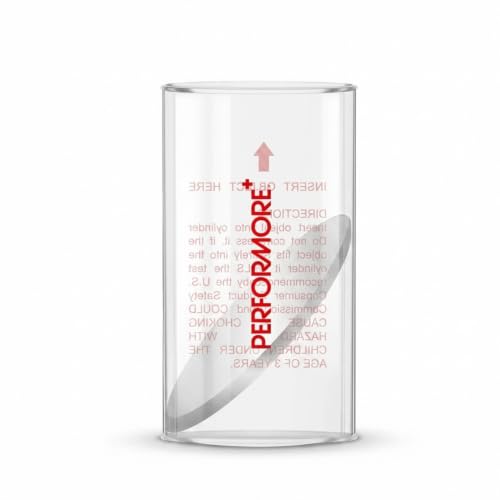
Performore Anti-Choking Hazard Tester for Kids, Choke Tube | Child safety cylinder tester for small objects, toys and snacks; home portable
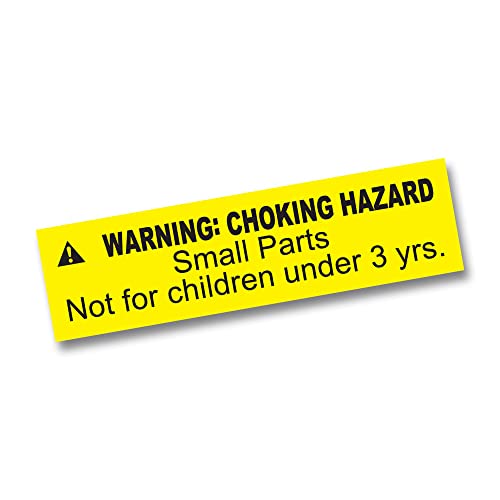
1,000 Waterproof ASTM Compliant Warning Choking Hazard Stickers | Small Parts Not for Children Under 3 Years 1.5" x 0.4" Oil-Proof Scratch Resistance UV Laminated Untearable Yellow Labels

Choking Warning Labels 1.5" Red Small Parts Choking Hazard Stickers
