Baby Sleep Safety: A Complete Guide
Learn the essential guidelines for creating a safe sleep environment for your baby. Evidence-based tips to reduce the risk of SIDS and ensure peaceful, restful nights for your little one.
View Safe Sleep ChecklistUnderstanding Baby Sleep Safety
Sleep safety is one of the most critical aspects of caring for a newborn. Creating a safe sleep environment can significantly reduce the risk of Sudden Infant Death Syndrome (SIDS) and other sleep-related injuries. According to the American Academy of Pediatrics (AAP), following safe sleep guidelines can reduce SIDS risk by up to 90%.
Whether you are a first-time parent or looking to refresh your knowledge, this comprehensive guide covers everything you need to know about baby sleep safety. From crib setup to room temperature, we'll walk you through every detail to ensure your little one sleeps safely.
The ABCs of Safe Sleep
The AAP recommends the "ABCs" of safe sleep as an easy way for parents to remember the most important guidelines. These three simple rules are the foundation of a safe sleep environment.
🅰️ Alone
Your baby should sleep alone, not with parents, siblings, or pets. Room-sharing (same room) is recommended, but bed-sharing is not safe for infants.
🅱️ Back
Always place your baby on their back to sleep—for naps and at night. This is the single most effective action to reduce SIDS risk.
🅲️ Crib
Use a firm, flat sleep surface with a fitted sheet. The crib or bassinet should meet current safety standards. No pillows, blankets, bumpers, or stuffed animals.
🏠 Room-Sharing
The AAP recommends room-sharing without bed-sharing for at least the first 6 months, ideally up to 1 year. This practice can reduce SIDS risk by up to 50%.
Safe Sleep Environment Checklist
Use this checklist to ensure your baby's sleep environment is as safe as possible. Review these items before every sleep time.
Do's and Don'ts of Baby Sleep Safety
This table summarizes the most important safe sleep practices. Follow these guidelines consistently to keep your baby safe.
| Do's ✅ | Don'ts ❌ |
|---|---|
| ✓ Place baby on their back to sleep | ✗ Place baby on their stomach or side |
| ✓ Use a firm sleep surface with fitted sheet | ✗ Use soft bedding, pillows, or blankets |
| ✓ Dress baby in a sleep sack or onesie | ✗ Overdress baby or use swaddles after 2 months |
| ✓ Share a room (not a bed) for at least 6 months | ✗ Bed-share with the baby |
| ✓ Keep room temperature at 68-72°F | ✗ Overheat the room or overdress the baby |
| ✓ Offer a pacifier at nap and bedtime | ✗ Force baby to take a pacifier |
| ✓ Keep the sleep area clear of toys | ✗ Place stuffed animals or bumper pads in the crib |
| ✓ Breastfeed if possible (SIDS risk reduction) | ✗ Smoke or expose baby to secondhand smoke |
Choosing Safe Sleep Products
When setting up your baby's sleep space, selecting the right products is essential. Look for items that meet current safety standards and have been certified by organizations such as the Juvenile Products Manufacturers Association (JPMA).
Essential Sleep Products
1. Cribs and Bassinets
Choose a crib or bassinet that meets current safety standards. Ensure the slats are no more than 2⅜ inches apart, the mattress fits snugly, and there are no drop-side rails. For smaller spaces, a bassinet or co-sleeper can be a great alternative for the early months.
2. Baby Monitors
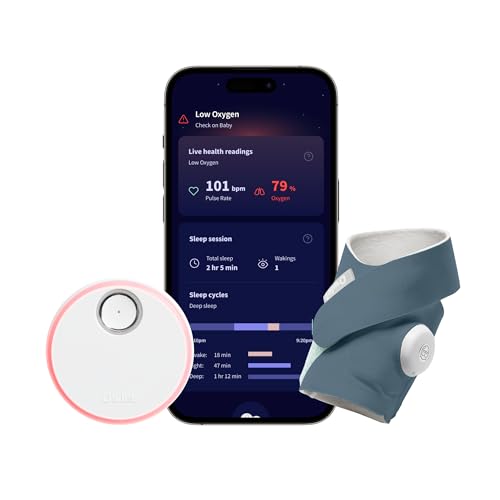
A good baby monitor provides peace of mind. Whether you choose an audio-only monitor or a video monitor with additional features, it should help you hear or see your baby without being in the same room. Learn more about features to look for with our baby monitor buying guide.
3. Sleep Sacks and Wearable Blankets
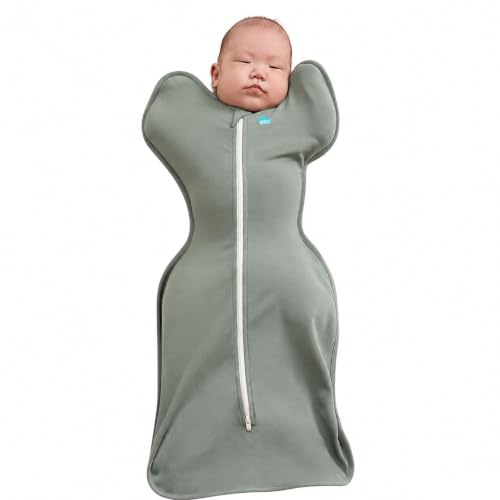
Sleep sacks are a safe alternative to loose blankets. They keep your baby warm without the risk of suffocation. Choose a sleep sack appropriate for the current season and your baby's size. For colder months, consider a winter-appropriate sleep bag to keep your baby warm without overheating.
4. Car Seats and Travel Systems
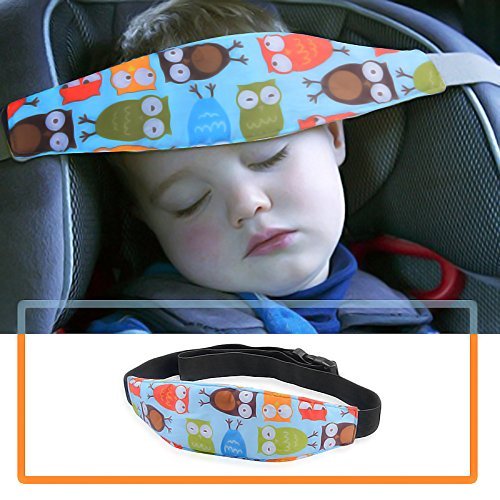
While car seats are essential for travel safety, they are not designed for routine sleep. Use a flat, firm sleep surface for regular sleep times. If your baby falls asleep in a car seat, transfer them to a safe sleep surface as soon as possible.
Co-Sleeping vs. Room-Sharing
One of the most debated topics among new parents is co-sleeping versus room-sharing. Understanding the differences and risks can help you make an informed decision for your family.
Room-Sharing (Recommended)
The AAP recommends room-sharing without bed-sharing for the first 6-12 months of life. This involves placing your baby's crib or bassinet in the same room where you sleep. Room-sharing makes it easier to feed, comfort, and monitor your baby while reducing the risk of SIDS.
Co-Sleeping (Bed-Sharing)
Bed-sharing is when a baby sleeps in the same bed as parents or siblings. The AAP advises against bed-sharing due to the increased risk of SIDS, accidental suffocation, and strangulation. Even if you plan to bed-share, it is important to understand the risks and take precautions if you choose to do so.
SIDS Prevention: What You Need to Know
Sudden Infant Death Syndrome (SIDS) is the sudden, unexplained death of an infant under 1 year of age. While the exact cause is unknown, research has identified several risk factors and protective measures. Understanding these can help you create the safest environment for your baby.
Reduce the Risk of SIDS
- Always place baby on their back to sleep, for naps and at night.
- Use a firm sleep surface with a fitted sheet and no other bedding.
- Share a room (not a bed) with your baby for at least the first 6 months.
- Breastfeed your baby if possible; breastfeeding is associated with a reduced risk of SIDS.
- Offer a pacifier at sleep times; if breastfeeding, introduce the pacifier after nursing is well established (around 3-4 weeks).
- Keep your baby smoke-free during pregnancy and after birth. Avoid smoking in the home or near the baby.
- Don't overheat your baby; keep the room temperature comfortable and dress your baby in light layers.
- Ensure regular prenatal care and avoid alcohol and drug use during pregnancy.
For more information on SIDS prevention and safe sleep practices, visit the AAP Safe Sleep Guidelines or consult your pediatrician.
Related Baby Safety Topics
Baby sleep safety is just one aspect of creating a safe environment for your little one. Explore these related guides to ensure your baby's safety in all aspects of their life.
🛡️ Baby Safety Overview
Comprehensive guide to keeping your baby safe at home and on the go.
🪑 Car Seat Safety
Learn how to properly install and use your baby's car seat for maximum protection.
🍼 Safe Feeding Practices
Tips for safe bottle-feeding, breastfeeding, and introducing solid foods.
🛁 Emergency Preparedness
Be prepared for emergencies with our comprehensive baby safety guide.
Final Tips for Peaceful Nights
Creating a safe sleep environment doesn't have to be complicated. Start with the ABCs and build from there. Remember that every baby is different, but safety guidelines are evidence-based and apply to all infants. Trust your instincts and consult your pediatrician if you have any concerns about your baby's sleep.
If you're looking for specific sleep products, check out our recommended nursery bedding for baby sleep and winter sleep bags to ensure your baby is comfortable and safe throughout the night.