Baby Soother Guide: 1–8 Years
Help your child self-soothe and sleep better. Expert reviews of the best soothers, plus tips for every age.
Finding the right soother for your child can be a game-changer. Whether you're dealing with a newborn who needs help settling or a preschooler who struggles with nighttime anxiety, the right self-soothing tool can promote independence and better sleep. This guide covers everything from pacifiers and sensory toys to sleep aids and comfort items for children aged 1 to 8 years.
Why Self-Soothing Matters
Self-soothing is the ability to calm oneself down when feeling stressed, anxious, or overstimulated. For children, this skill is essential for emotional regulation, healthy sleep patterns, and overall well-being. A baby development expert might tell you that self-soothing is a learned behavior that evolves with age. By providing the right tools and environment, you can help your child master this skill at their own pace.
From a baby sleep safety perspective, self-soothing also reduces the risk of sleep-related issues. Children who can settle themselves are less likely to experience night wakings and can transition between sleep cycles more smoothly. This is why choosing the right soother is so important – it's not just about comfort, it's about building healthy habits for life.
Soothers by Age: What Works Best?
Children's needs change as they grow. Here's a breakdown of the most effective soothers for each age group, from toddlers to school-age kids.
1–3 Years: Transitional Comfort
At this age, many children are transitioning away from pacifiers but still need comfort items. Soft toys, loveys, and baby books with calming stories are excellent choices. A baby sleep bag for winter can also provide a sense of security and warmth.
- Soft, washable comfort blankets
- Stuffed animals with soothing textures
- Night lights with gentle projection
3–5 Years: Routine & Independence
Preschoolers thrive on routine. A consistent bedtime ritual that includes a soother – like a special children's book or a calming sensory toy – can work wonders. Many parents also find that a wooden rocking chair for story time creates a soothing wind-down environment.
- Weighted blankets (lightweight)
- Timer-based sleep aids
- Storytelling projectors
5–8 Years: Emotional Regulation
Older children often need soothers for anxiety, stress, or to help with sleep. Items like developmental toys that promote focus, calm-down jars, and guided meditation tools are popular. For some, a building blocks set before bed can be a calming, screen-free activity.
- Stress balls and fidget toys
- Aroma diffusers with lavender
- Personalized storybooks
Key Features of a Great Soother
Not all soothers are created equal. When shopping for a soother for your child, consider these essential features to ensure safety, effectiveness, and durability.
🔹 Safety First
Always check for age-appropriate design. Avoid small parts, long cords, or materials that could cause allergies. Look for BPA-free, phthalate-free, and non-toxic certifications. For babies and toddlers, ensure the soother meets all baby safety standards.
🔹 Sensory Engagement
The best soothers engage multiple senses. Soft fabrics, gentle sounds (like white noise or lullabies), and dim lighting can create a calming atmosphere. Some soothers also include mild vibrations or rhythmic movements that mimic rocking.
🔹 Ease of Cleaning
Children can be messy. Choose soothers that are machine washable or easy to wipe down. Removable covers and waterproof materials are a huge plus for long-term use.
🔹 Durability & Longevity
A good soother should last through many uses. Look for high-quality stitching, robust electronics (if applicable), and materials that won't easily tear or break. A durable soother can be passed down to siblings.
Expert Tips for Using Soothers Effectively
Simply buying a soother isn't enough – how you use it matters. Here are some expert-backed tips to maximize the benefits for your child.
🕐 Consistency is Key
Incorporate the soother into a consistent bedtime routine. Whether it's reading a children's book or hugging a special toy, doing the same thing every night signals to your child that it's time to wind down.
😴 Combine with Sleep Hygiene
A soother works best in a sleep-friendly environment. Keep the room dark, cool, and quiet. Consider using a baby sleep bag to help regulate temperature, and avoid screens at least an hour before bed.
🧘 Empower Independence
Encourage your child to use the soother on their own. For example, place a baby activity center in the nursery with a few calming toys they can access independently. This builds confidence and self-regulation.
🔄 Rotate and Refresh
Children can get bored with the same soother. Rotate between a few different items to keep the experience fresh and engaging. This also prevents over-reliance on one specific object.
Mistakes to Avoid When Choosing a Soother
Even with the best intentions, it's easy to make mistakes. Here are some common pitfalls and how to avoid them.
-
✖
Ignoring Age Recommendations
Always check the age range on the packaging. A soother designed for a 1-year-old may not be safe or effective for an 8-year-old. -
✖
Overlooking Sensory Preferences
Every child is different. Some love soft music, others prefer silence. Pay attention to what calms your child specifically. -
✖
Not Involving Your Child
For older children, let them have a say in choosing their soother. This gives them a sense of control and makes them more likely to use it. -
✖
Thinking Soothers Are Only for Sleep
Soothers can be used during travel, doctor visits, or any stressful situation. They are versatile tools for emotional regulation.
Our Top Recommended Soothers for 1-8 Years
After extensive research and parent feedback, we've curated a list of the best soothers on the market. These products stand out for their quality, safety, and effectiveness.
1. Calming Buddy Plush
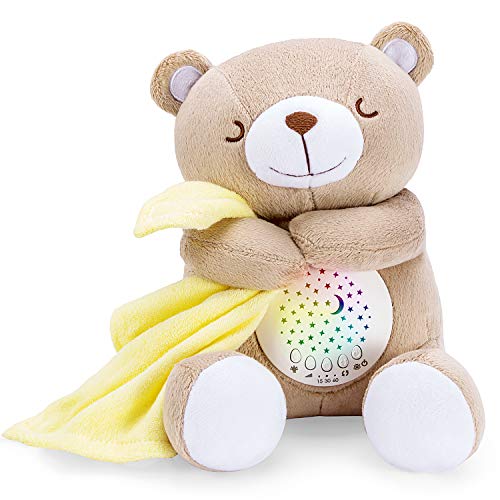
A soft, huggable friend with built-in lullabies and a gentle heartbeat simulation. Perfect for toddlers transitioning to a big-kid bed.
- Machine washable
- Adjustable volume
- Auto shut-off timer
2. Sensory Star Projector
Transform your child's room into a magical night sky. This projector offers multiple color settings, rotation, and white noise options for a truly immersive experience.
- Remote controlled
- Built-in timer
- USB rechargeable
3. Weighted Blanket for Kids
Lightweight and super soft, this blanket provides deep pressure stimulation that calms the nervous system. Ideal for children aged 3+.
- Breathable cotton
- Evenly distributed weight
- Available in multiple colors
4. Mindfulness Fidget Kit
A set of 8 different fidget tools designed to help children focus and self-regulate. Great for kids with anxiety or ADHD.
- Includes stress balls, spinners, and putty
- Portable storage case
- Sensory-friendly textures
5. Sleepy Bear Storybook Set
A collection of 5 calming bedtime stories with beautiful illustrations. Each story is designed to help children relax and drift off to sleep.
- Hardcover for durability
- Large, easy-to-read print
- Perfect for ages 2–6
6. Soothing Sound Machine
This compact sound machine features white noise, rain, ocean, and lullaby options. Adjustable volume and timer for all-night use.
- Small and travel-friendly
- USB or battery powered
- Memory function for favorite sounds
7. Gentle Glow Night Light
A cute, animal-shaped night light that projects soft, colorful stars onto the ceiling. Includes a timer and auto shut-off.
- Safe, cool-to-touch LED
- Battery-operated
- Durable and child-friendly
8. My First Yoga & Breathing Kit
Introduce mindfulness through fun yoga poses and breathing exercises. Includes a mat, cards, and a guided audio session.
- Great for ages 4–8
- Encourages body awareness
- Colorful and engaging
Final Thoughts
Choosing the right soother for your 1-8 year old is about understanding their unique needs and preferences. Whether it's a baby book for bedtime, a building blocks set for calming play, or a wooden rocking chair for reading time, the right soother can make a world of difference in your child's emotional and sleep health.
Remember, the goal is not to eliminate all stress but to equip your child with the tools to manage it themselves. With patience, consistency, and the right products, you can help your child develop lifelong self-soothing skills.