Baby Teeth Cleaning: The Complete Guide for New Parents
Learn when and how to start cleaning your baby's teeth, the best products to use, and expert tips for a lifetime of healthy smiles.
Good oral hygiene begins long before your baby's first tooth appears. Establishing a gentle, consistent cleaning routine early not only protects those tiny new teeth from decay but also helps your child get used to the habit of brushing. This guide covers everything you need to know about baby teeth cleaning, from selecting the right baby toothbrush to understanding when to introduce toothpaste.
As a parent, you might wonder: When should I start brushing my baby's teeth? What kind of toothpaste is safe? How do I clean a teething baby's gums? We answer all these questions and more, helping you navigate the early stages of infant oral care with confidence.
When to Start Cleaning Baby's Teeth
You can start cleaning your baby's mouth even before teeth emerge. Wiping the gums with a soft, damp cloth after feedings helps remove bacteria and gets your baby used to having their mouth cleaned. The American Academy of Pediatric Dentistry recommends starting a formal brushing routine as soon as the first tooth appears, usually around 6 months of age.
Early care is critical. Baby teeth are susceptible to cavities as soon as they break through the gums. By starting early, you not only protect these teeth but also establish positive oral hygiene habits that can last a lifetime.
Step-by-Step Baby Teeth Cleaning Routine
Follow this simple routine to keep your baby's teeth and gums healthy:
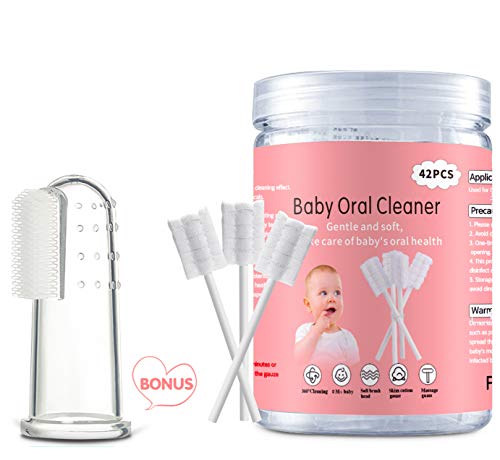
Use a soft-bristled baby toothbrush or a silicone finger brush designed for infants. If your baby is under 6 months or doesn't have teeth yet, a clean, damp gauze pad or washcloth works perfectly.
For children under 3 years, use a smear of toothpaste the size of a grain of rice. For babies under 6 months, you can skip toothpaste and just use water. Always choose a baby-safe toothpaste without harsh abrasives.
Hold the brush at a 45-degree angle to the gums. Brush the front, back, and chewing surfaces of each tooth using gentle, circular motions. Don't forget to brush the gums and the roof of the mouth to remove bacteria.
Sing a song, make funny faces, or let your baby hold the brush to keep them engaged. The more positive the experience, the easier it will be as they grow older. You can also try engaging activities to distract them during the process.
Brush twice a day—once in the morning and once before bed. Consistency is key to building a healthy habit.
Choosing the Best Baby Teeth Cleaning Products
With so many options on the market, it can be overwhelming to choose the right products. Here's what to look for:
- Baby Toothbrush: Choose one with extra-soft bristles and a small head. Finger brushes are great for babies under 12 months, while ergonomic handle brushes are better for older babies who like to hold things.
- Toothpaste: For babies under 3 years, use a fluoride toothpaste with a rice-grain-sized amount. For babies under 6 months, it's best to brush with water only.
- Teething Wipes: Some parents use disposable oral wipes for quick cleaning on the go. These are convenient but should not replace regular brushing.
- Other Accessories: A baby bib can keep clothes dry during brushing, and a baby cup can help introduce drinking water after meals to rinse the mouth.
Always check that products are BPA-free and approved by dental associations. When in doubt, consult your pediatric dentist.
Common Questions About Baby Teeth Cleaning
My baby hates having their teeth brushed. What should I do?
It's normal for babies to resist at first. Try making it a game, sing a song, or let them chew on the brush. You can also brush your own teeth at the same time so they can imitate you. Patience and positive reinforcement are your best tools.
Can I use adult toothpaste for my baby?
No. Adult toothpaste contains too much fluoride and often has strong flavors that can be overwhelming. Stick to a fluoride toothpaste specifically formulated for infants and toddlers.
What if my baby swallows the toothpaste?
Using a rice-grain-sized amount minimizes the risk of fluorosis. Supervise brushing and teach your child to spit out excess toothpaste as they grow. It's okay if they swallow a small amount at this age.
When should I take my baby to the dentist?
The American Dental Association recommends taking your child for their first dental visit by their first birthday or within 6 months of their first tooth appearing. Early visits help prevent problems and get your child comfortable with the dentist.
If you notice any white spots, stains, or signs of decay, schedule a visit sooner. For other teething concerns, you might also find our baby teething tips helpful.
Diet & Nutrition: Supporting Healthy Teeth
What your baby eats plays a big role in their oral health. Limit sugary foods and drinks, especially those that stay in the mouth for long periods (like juice or milk from a bottle at bedtime). Instead, offer a nutrient-rich diet that includes calcium, vitamin D, and phosphorus to strengthen developing teeth.
Introduce a baby cup around 6 months to help your baby transition from bottles and reduce the risk of bottle-related tooth decay. Also, avoid putting your baby to bed with a bottle containing anything other than water.
When to See a Pediatric Dentist
Regular dental check-ups are essential for monitoring your baby's oral development. A pediatric dentist can provide professional cleanings, fluoride treatments, and advice on baby safety habits to protect teeth. They can also spot early signs of decay, misalignment, or other issues.
If your child has special needs or is prone to dental anxiety, a pediatric dentist is trained to handle these situations with care. Don't hesitate to ask questions about baby development milestones related to oral health.
Start Your Baby's Oral Care Journey Today
Healthy teeth start with a solid cleaning routine. By following the steps and tips outlined above, you'll be giving your baby the best possible start for a lifetime of bright smiles.
Explore our recommended products below to find the perfect toothbrush, toothpaste, and other essentials for your little one. All items are carefully selected to make baby teeth cleaning easy, safe, and effective.