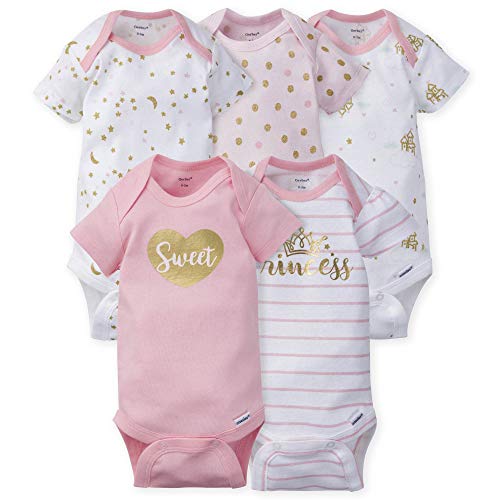
The Complete Baby Clothing Guide
From cozy onesies to seasonal outerwear, learn how to choose the best clothes for your baby's comfort, safety, and style.
Shop Top PicksWhy the Right Baby Clothing Matters
Choosing the right baby clothing goes beyond style—it's about comfort, safety, and practicality. Babies have delicate skin that requires soft, breathable fabrics, and their rapidly growing bodies need clothes that fit well without restricting movement. Whether you're preparing for a newborn or buying for a growing infant, understanding fabrics, sizing, and seasonal needs will help you build a functional and adorable wardrobe.
As a new parent, it's easy to get overwhelmed by the sheer volume of options. This guide breaks down everything you need to know, from essential pieces to the best materials for sensitive skin. We'll also share expert tips on layering, laundering, and organizing your baby's clothes to make your daily routine smoother.
Key Considerations for Baby Clothing
Fabric & Material
Organic cotton, bamboo, and muslin are breathable and gentle on sensitive skin. Avoid synthetic blends that can trap heat or cause irritation.
Sizing & Growth
Babies grow fast! Opt for adjustable features like fold-over cuffs and expandable shoulder snaps to extend the life of each garment.
Seasonal Needs
Layer with lightweight fabrics in summer and opt for warm, breathable layers in winter. Sleep bags and footed pajamas are winter staples.
Safety First
Avoid loose strings, buttons, or decorative parts that could become choking hazards. Look for snaps and zippers that are secure but easy to use.
Essential Baby Clothing Checklist
Newborn Layette Must-Haves
- Onesies / Bodysuits (6–8): The foundation of any baby wardrobe. Choose ones with envelope necklines for easy over-the-head dressing.
- Pants & Leggings (4–6): Soft, elastic-waist pants that are easy to pull on and off.
- Sleepers / Footed Pajamas (4–6): One-piece outfits with zippers or snaps make nighttime changes a breeze.
- Swaddles & Sleep Sacks (2–3): Essential for safe sleep and temperature regulation. Learn more about safe sleep bedding.
- Outerwear (1–2): A soft jacket or snowsuit for colder months, and a sun hat for summer.
- Socks & Booties (6–8 pairs): Keep tiny toes warm and protected.
- Bibs (5–10): For feeding and drooling. Opt for waterproof or absorbent materials.
This checklist covers the essentials, but your baby's needs may vary depending on climate and season. Focus on versatility and comfort.
Baby Clothing Sizing Guide
Sizing can be confusing because different brands use different standards. However, most baby clothing is sized by age or weight. Here's a general reference:
- Preemie: Up to 5 lbs
- Newborn (NB): 5–8 lbs
- 0–3 Months: 8–12 lbs
- 3–6 Months: 12–16 lbs
- 6–9 Months: 16–20 lbs
- 9–12 Months: 20–24 lbs
- 12–18 Months: 24–28 lbs
- 18–24 Months: 28–30+ lbs
Always check the brand's specific size chart, as sizing can vary. When in doubt, size up—babies grow quickly!
Seasonal Clothing Tips
Dressing your baby appropriately for the weather is crucial for their comfort and health. Here are some seasonal guidelines:
☀️ Summer
- Lightweight cotton onesies
- Short-sleeve bodysuits
- Sun hats and UV-protective clothing
- Light muslin swaddles for naps
❄️ Winter
- Layered clothing (onesie + pants + sweater)
- Footed sleepers and fleece pajamas
- Warm outerwear (jackets, snowsuits)
- Winter sleep bags for safe warmth
Best Fabrics for Baby Clothing
A baby's skin is thin and sensitive, so fabric choice is paramount. Here are the top materials to look for:
- Organic Cotton: Soft, breathable, and free from harsh chemicals. Ideal for everyday wear and sleepwear.
- Bamboo: Ultra-soft, temperature-regulating, and naturally antibacterial. Perfect for sensitive skin.
- Muslin: Lightweight and breathable, great for swaddles and summer clothing.
- Wool (Merino): Excellent for winter layering—warm, breathable, and moisture-wicking. Ensure it's soft and not itchy.
Fabrics to Avoid
- Synthetic blends (polyester, nylon): Can trap heat and cause sweating or rashes.
- Rough or scratchy materials: Can irritate delicate skin.
- Untreated wool or coarse linen: May be too harsh for daily wear.
Baby Clothing Care Tips
Proper care extends the life of your baby's clothes and keeps them safe and hygienic. Follow these simple tips:
- Wash before first wear: Always pre-wash new clothes to remove any manufacturing residues.
- Use gentle, fragrance-free detergent: Harsh chemicals and scents can irritate baby's skin.
- Wash in cold or warm water: Hot water can shrink clothes and set stains. Use warm for heavily soiled items.
- Tumble dry on low or air dry: High heat can shrink cotton and damage elastic. Air drying is best for preserving fabric quality.
- Pre-treat stains: Use a baby-safe stain remover on food, spit-up, and diaper leaks before washing.
- Organize by size: Store outgrown clothes separately to keep your nursery clutter-free. Explore baby storage solutions.
Related Articles You Might Like
Ready to Build Your Baby's Wardrobe?
Check out our top-rated baby clothing picks below to get started. Every item is selected for quality, comfort, and safety.
View Recommendations