Baby CPR Guide: Life-Saving Skills Every Parent Needs
Learn the essential steps of infant CPR and choking rescue. This comprehensive guide will prepare you to act confidently and effectively in an emergency, potentially saving your baby's life.
LEARN BABY CPR NOWWhy Every Parent Must Learn Baby CPR: According to the American Heart Association, nearly 70% of cardiac arrests happen at home. When a baby stops breathing or is choking, every second counts. Knowing infant CPR and choking rescue techniques can be the difference between life and death. This guide provides clear, step-by-step instructions to help you prepare for the unthinkable.
In This Guide:
When to Perform CPR on a Baby
Baby safety is paramount. CPR (cardiopulmonary resuscitation) is performed when a baby is unresponsive and not breathing, or only gasping occasionally. Common causes include choking, drowning, suffocation, or sudden infant death syndrome (SIDS). If you suspect a medical emergency, immediately call 911 and begin CPR if you are trained. Even if you are unsure, performing chest compressions and rescue breaths can help maintain blood flow and oxygen to the brain until help arrives.
How to Perform Baby CPR: Step-by-Step
Baby CPR differs from adult CPR due to the smaller size and fragility of an infant. The technique involves chest compressions and rescue breaths. Here is a detailed breakdown:
Check Responsiveness
Gently tap the baby's heel or shoulder. Shout their name. If there is no response, the baby is unresponsive. Do not shake the baby.
Call for Help
If you are alone, perform CPR for 2 minutes before calling 911. If someone is nearby, have them call 911 immediately. Place the baby on a firm, flat surface.
Open the Airway
Gently tilt the baby's head back to a neutral position (not hyperextended) using one hand on the forehead and two fingers on the chin. This opens the airway.
Check for Breathing
Look for chest movement, listen for breath sounds, and feel for airflow for no more than 10 seconds. If the baby is not breathing or is gasping, start CPR.
Give Rescue Breaths
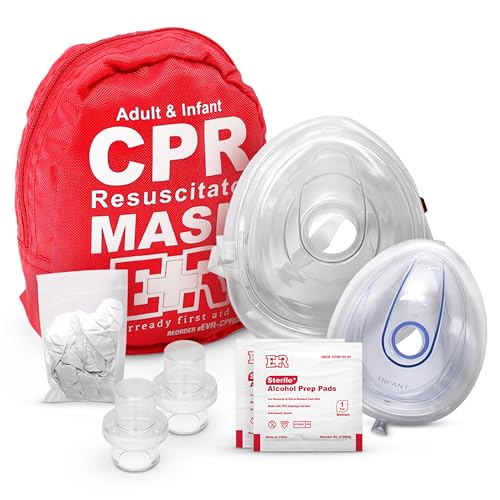
Cover the baby's mouth and nose with your mouth. Give two gentle breaths, each lasting about 1 second. Watch for the chest to rise with each breath. If the chest does not rise, reposition the head and try again.
Start Chest Compressions
Place two fingers in the center of the baby's chest, just below the nipple line. Press down about 1.5 inches deep (about 4 cm) at a rate of 100–120 compressions per minute. Allow the chest to fully recoil between compressions.
Continue the Cycle
Perform 30 chest compressions followed by 2 rescue breaths. Continue this cycle until the baby starts breathing, help arrives, or you are physically unable to continue.
⚠️ Important Warning
Do not stop CPR until the baby shows signs of life (moving, crying, or breathing normally) or emergency personnel arrive. If you are untrained, hands-only CPR (chest compressions without breaths) is still better than doing nothing.
How to Help a Choking Baby
Choking is a common emergency in infants, often caused by small objects or food. If a baby is choking and cannot cry, cough, or breathe, they need immediate help. Do not perform CPR on a choking baby. Instead, follow these steps:
Assess the Situation
If the baby is coughing forcefully or crying, let them cough – it is the most effective way to clear the airway. If they cannot cough, cry, or breathe, immediately start back blows and chest thrusts.
Give Back Blows
Hold the baby face-down on your forearm, supporting their head and neck with your hand. Deliver five firm back blows between the shoulder blades using the heel of your hand.
Give Chest Thrusts
Turn the baby over, face-up, on your other arm. Using two fingers on the center of the chest, give five quick chest thrusts, pressing down about 1.5 inches deep. This is similar to the compression technique but faster.
Repeat the Cycle
Continue alternating five back blows and five chest thrusts until the object is expelled or the baby becomes unresponsive. If the baby becomes unresponsive, begin CPR immediately and call 911.
Important Tips for Baby CPR and Choking Rescue
✅ Stay Calm
Your calmness and clear thinking are crucial. Take a deep breath and focus on the steps you have learned. Even if you are scared, acting methodically can save your baby's life.
✅ Practice Regularly
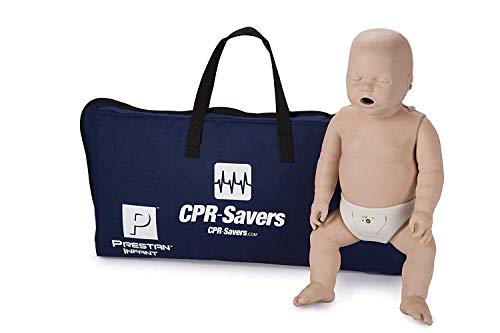
Techniques can fade over time. Take a certified infant CPR course and practice on a manikin every few months to keep your skills sharp.
✅ Know Your Resources
Keep emergency numbers visible, and consider downloading a first aid app. Ensure babysitters and caregivers also know CPR. Learning emergency preparedness for babies is a key part of parenthood.
✅ Don't Forget Prevention
Always supervise babies during feeding, keep small objects out of reach, and follow safe sleep practices to reduce risks. Baby sleep safety and choking hazards are critical topics for every parent.
🛑 Baby CPR & Choking Rescue Checklist
- Unresponsive baby
- Not breathing or gasping
- Head tilt to open airway
- 2 rescue breaths
- 30 chest compressions
- Continue 30:2 cycle
- Call 911 immediately
- Choking: 5 back blows
- Choking: 5 chest thrusts
- Repeat until object expelled
- If unresponsive, start CPR
- Stay calm and focused
📚 Additional Safety Resources
Ready to Learn More?
Take a certified infant CPR and first aid class. Knowing these life-saving skills is one of the most important things you can do for your baby's safety.
Explore Baby Safety Guides