Baby Cereal Guide: Best Organic Options & First Foods
Starting solids is an exciting milestone. Discover the best baby cereals — from iron-fortified rice to nutrient-rich oatmeal — and learn how to safely introduce your baby to their first spoonfuls.
Shop Recommended Baby Cereals →🧑🍼 First Foods Matter
Introducing solid foods is a significant step in your baby's development. Baby cereal is often the first food recommended by pediatricians because it's easy to digest, iron-fortified, and can be mixed to the perfect consistency. But with so many options — organic, single-grain, multi-grain, rice, oatmeal, barley — how do you choose? This guide breaks down everything you need to know.
Why Start with Baby Cereal?
🍚 Iron-Fortified Nutrition
Around 6 months, babies' natural iron stores begin to deplete. Iron-fortified baby cereals provide a crucial source of this essential mineral for brain development and healthy red blood cells.
🥄 Easy to Digest
Single-grain cereals like rice and oatmeal are gentle on tiny tummies. They are less likely to cause allergic reactions compared to other first foods, making them a safe starting point.
👶 Perfect Texture Control
You can mix cereal with breast milk or formula to create a thin, runny consistency that's easy for newborns to swallow, then gradually thicken as your baby learns to eat.
Rice Cereal vs. Oatmeal Cereal: Which is Better?
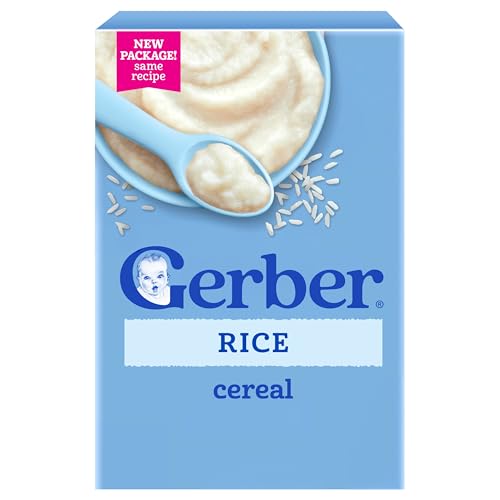
🍚 Rice Cereal
Pros: Very gentle on the stomach, easy to digest, and widely available. It's often the go-to choice for a baby's first solid food.
Cons: Some brands may contain trace levels of arsenic. It's best to rotate with other grains and choose organic options from trusted brands.
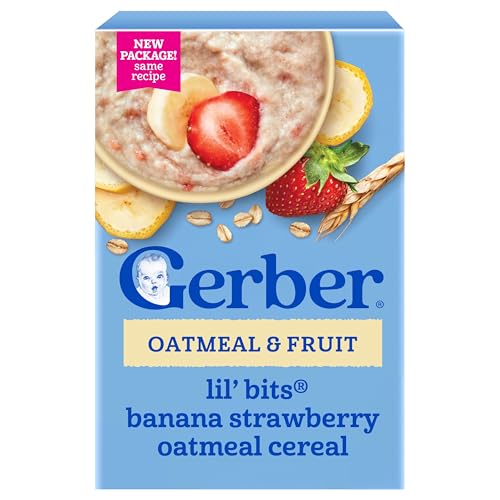
$4–$8 per box🌾 Oatmeal Cereal
Pros: Higher in fiber than rice cereal, which can help with digestion. It has a richer, more satisfying taste and texture that many babies prefer.
Cons: Slightly thicker consistency, so it may need more liquid when mixing. Oatmeal is generally considered safe but always check for gluten contamination if you have concerns.
$5–$10 per boxStep-by-Step Guide: How to Introduce Cereal
- Timing: Start when your baby can sit with support and shows interest in food — usually around 4–6 months. Always consult your pediatrician first.
- Consistency: Mix 1–2 teaspoons of cereal with 4–5 teaspoons of breast milk or formula to create a thin, smooth liquid.
- First Feeding: Offer a small amount on a soft-tipped spoon. Don't be discouraged if most of it ends up on the bib — this is about learning!
- Gradual Progression: Slowly thicken the mixture over a few weeks. After 7 months, you can start combining with pureed fruits or vegetables.
Top Organic Baby Cereal Brands
Gerber Organic Baby Cereal
A trusted name with a wide range of organic, iron-fortified options including rice, oatmeal, and multi-grain. Non-GMO and designed for easy digestion.
$5–$7Happy Family Organics
Known for clean ingredients and great taste. Their line includes organic oatmeal and multi-grain cereals with added iron, DHA, and choline for brain development.
$6–$9Earth's Best Organic
Made with whole grains and fortified with iron and essential vitamins. Their single-grain rice and oatmeal cereals are a popular choice for first foods.
$5–$8Holle Organic Baby Cereal
Premium European brand known for Demeter biodynamic quality. Offers gluten-free options and gentle grains perfect for sensitive babies.
$10–$15Nutritional Tips for Starting Solids
🥛 Mix with Breast Milk or Formula
Using breast milk or formula to prepare cereal adds familiar flavor and extra nutrition. It also helps your baby accept the new food more easily.
🧪 Introduce One Grain at a Time
Wait 3–5 days before introducing a new grain so you can monitor for any allergic reactions. This is also a good practice for solid starts in general.
🍎 Add Pureed Fruits & Veggies
After your baby masters single-grain cereal, mix in pureed apple, pear, banana, or sweet potato for added flavor, fiber, and nutrients. This is a great way to expand their palate.
💧 Stay Hydrated
Once your baby starts eating solids, offer small amounts of water in a sippy cup to help with digestion and prevent constipation. For more tips, explore our baby food guide.
Frequently Asked Questions About Baby Cereal
❓ When can I give my baby cereal?
Most pediatricians recommend starting between 4–6 months, when your baby can hold their head up and shows interest in food. Always consult your pediatrician first.
❓ Is rice cereal safe for babies?
Yes, but choose organic brands and rotate with oatmeal or barley to minimize exposure to trace arsenic. The FDA considers rice cereal safe when consumed as part of a varied diet.
❓ Can I put cereal in a bottle?
It's generally not recommended unless advised by a doctor for specific medical reasons. Starting solids should be a learning experience with a spoon, not a bottle.
❓ What's the best first cereal for my baby?
Most experts recommend starting with a single-grain, iron-fortified rice or oatmeal cereal. Oatmeal is often preferred for its nutritional profile and lower arsenic concerns.