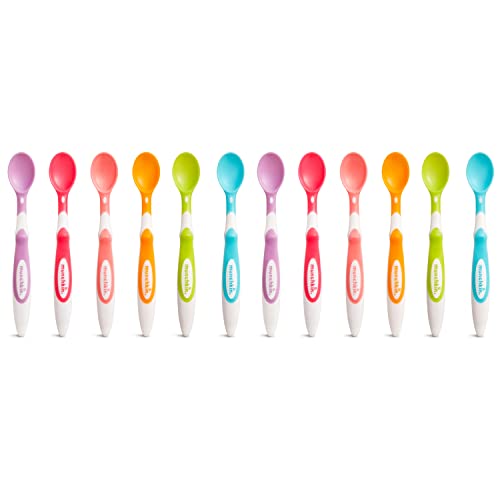
Baby Spoons Buying Guide: From First Purees to Self-Feeding
Choosing the right baby spoon is more important than you think. Whether you're starting with purees, practicing baby-led weaning, or teaching self-feeding, the right spoon can make mealtime safer, cleaner, and more enjoyable for both of you. This guide covers everything from materials and safety to stage-by-stage recommendations and top-rated picks.
Why a dedicated baby spoon? Adult spoons are too large, deep, or hard for a baby's sensitive gums and small mouth. A well-designed baby spoon is gentle on gums, easy to grip, and sized perfectly for little mouths. The market is flooded with options – silicone, plastic, stainless steel, self-feeding, heat-sensitive, and more. This guide helps you cut through the noise.
What to Look for in a Baby Spoon
🧴 Material Safety
- Silicone: Soft, gentle on gums, BPA-free, dishwasher-safe. Ideal for teething babies.
- Stainless Steel: Durable, easy to clean, but can be hard on gums. Best for older babies.
- Plastic: Lightweight and cheap, but ensure BPA-free and high-quality.
- Wood: Eco-friendly, but requires special care to avoid splinters.
👶 Stage & Use Case
- First purees (4-6 months): Soft, shallow spoons with a long handle.
- Baby-led weaning (6+ months): Pre-loaded spoons or short, chunky handles.
- Self-feeding (9+ months): Curved, easy-grip handles with shallow bowls.
- On-the-go: Travel cases and spoon clips are a bonus.
🧼 Ease of Cleaning
- Dishwasher-safe materials save time.
- One-piece designs prevent bacterial growth in crevices.
- Heat-resistant silicone can be sterilized easily.
📏 Size & Shape
- Bowl depth: shallow for purees, deeper for soups and cereals.
- Handle length: longer handles for parents, shorter for self-feeding.
- Curved/ergonomic handles help little hands grasp.
Best Baby Spoons by Stage
💡 Pro Tip: It's a good idea to have at least 4–6 spoons in rotation. Babies drop them, you'll need backups during mealtime, and you'll always have a clean one ready. Many parents also keep a travel spoon in their diaper bag.
| Stage | Recommended Spoon Type | Key Features | Price Range |
|---|---|---|---|
| First Purees (4-6m) | Silicone soft-tip spoon | Long handle, shallow bowl, soft tip | $8–$15 |
| Baby-Led Weaning (6-8m) | Pre-loaded spoon / self-feeding spoon | Short handle, shallow bowl, easy grip | $10–$20 |
| Self-Feeding (9-18m) | Ergonomic curved spoon | Chunky handle, shallow bowl, non-slip grip | $12–$25 |
| Toddler (18m+) | Stainless steel or hybrid spoon | Durable, deeper bowl, fork combo often | $15–$30 |
For the earliest stages, we recommend starting with a soft silicone spoon set that's gentle on gums. As your baby grows, you can transition to self-feeding spoons that encourage independence. And don't forget about other feeding essentials like bowls and cups that complement your spoon choice.
Safety & Care Tips
- Check for BPA, BPS, and phthalates: Always choose food-grade silicone, stainless steel, or BPA-free plastic.
- Inspect regularly: Silicone can wear out, plastic can crack – replace damaged spoons immediately.
- Sanitization: Most silicone and stainless steel spoons are dishwasher-safe (top rack). Boiling water works for deep sanitization.
- Storage: Keep in a clean, dry place. Travel cases are a hygienic option for on-the-go.
🧠 Did you know? Some spoons change color when food is too hot – a great safety feature for purees. However, always test the temperature on your wrist before feeding.
Once you've chosen the perfect spoon, you might also want to explore our guides on baby bibs to keep mealtime mess under control, and baby cups for the next step in feeding independence. For a complete approach, check out our baby registry checklist to ensure you have all the essentials.
Ready to Choose Your Baby Spoon?
Below are our top recommended baby spoons based on extensive research and parent reviews. Each product is carefully selected for safety, durability, and developmental appropriateness. Click through to see current pricing and more details.