Rice Cereals for Baby: Complete Guide to Choosing the Best
Introducing your baby to solid foods is a major milestone, and rice cereal has long been a popular first choice. This comprehensive guide covers everything you need to know about rice cereals for babies – from safety and nutritional benefits to how to choose the best product and when to start.
What Is Baby Rice Cereal?
Baby rice cereal is a finely ground, easily digestible food made from white or brown rice. It is typically fortified with essential nutrients like iron, zinc, and B vitamins to support your baby's rapid growth and development. It is one of the most common first foods for infants because of its mild flavor, smooth texture, and low allergenic potential.
💡 Did you know? Iron-fortified rice cereal is often recommended by pediatricians as a first food because babies' natural iron stores begin to deplete around 4–6 months of age.
When choosing a rice cereal, you'll find options like single-grain, organic, and gluten-free varieties. Some also come in different textures – from finely ground powder for early beginners to more textured blends for older babies learning to chew.
When to Start Rice Cereal for Baby
Most pediatric experts recommend starting solid foods, including rice cereal, around 4 to 6 months of age. However, every baby develops at their own pace. The American Academy of Pediatrics (AAP) suggests waiting until your baby shows key signs of readiness, such as:
- Good head control: Your baby can hold their head steady and upright.
- Sitting with support: They can sit upright with minimal assistance.
- Loss of tongue-thrust reflex: They no longer push food out of their mouth with their tongue.
- Interest in food: They reach for or watch you intently while you eat.
It's important to consult your pediatrician before starting solids, especially if your baby was born prematurely or has any underlying health conditions. Starting too early (before 4 months) can increase the risk of choking and digestive issues, while starting too late (after 6–7 months) may delay oral motor development and iron intake.
Nutritional Benefits of Rice Cereal
Rice cereal is more than just a convenient first food – it offers several important nutritional benefits for growing babies:
- Iron-fortified: Most commercial baby rice cereals are fortified with iron, which is essential for brain development and preventing iron-deficiency anemia.
- Easy to digest: Rice is naturally gluten-free and low in fiber, making it gentle on a baby's developing digestive system.
- Zinc and B vitamins: These support immune function and energy metabolism.
- Versatile texture: You can prepare it thin (liquid-like) for early beginners or thicker as your baby progresses.
While rice cereal is a great starting point, remember that variety is key. As your baby grows, introduce other single-grain cereals like oatmeal and barley, as well as pureed fruits, vegetables, and proteins to ensure a balanced diet.
Safety Considerations: Arsenic in Rice Cereal
One of the most important factors to consider when choosing rice cereal for your baby is arsenic content. Rice naturally absorbs more arsenic from soil and water than other grains, and concerns about long-term exposure have led to updated guidance from the FDA and AAP.
⚠️ Important: The FDA recommends limiting rice cereal intake and choosing products that test for low levels of inorganic arsenic. Look for brands that use organic brown rice sourced from regions with lower arsenic levels (like California or Arkansas) and that voluntarily test their products.
To minimize arsenic exposure, consider these tips:
- Rotate grains: Offer a variety of cereals – oatmeal, barley, and multigrain – alongside rice cereal.
- Check labels: Look for brands that proudly state "tested for arsenic" or "low arsenic."
- Limit portions: Keep rice cereal to about 1–2 servings per day, especially in the early months.
You can also learn more about safely starting solids to ensure your baby gets the best start.
How to Choose the Best Rice Cereal for Your Baby
With so many options on the market, choosing the best rice cereal can feel overwhelming. Here are the key factors to consider:
1. Iron-Fortified
Make sure the cereal is iron-fortified – this is non-negotiable. Babies need about 11 mg of iron per day from 6 months onward, and iron-fortified cereal is a reliable way to meet that need.
2. Single-Grain vs. Multigrain
For a first food, start with a single-grain rice cereal. This makes it easier to identify any allergic reactions. Later, you can transition to multigrain cereals for variety and added nutrition.
3. Organic vs. Conventional
Organic rice cereals are grown without synthetic pesticides or fertilizers, and some studies suggest they may have lower arsenic levels than conventional varieties. However, always check the product's arsenic testing policy – organic doesn't automatically guarantee lower arsenic.
4. Texture and Flavor
Some babies prefer a plain, unflavored cereal, while others enjoy blends with a hint of fruit or vanilla. For the first few weeks, stick with plain rice cereal so your baby can get used to the taste and texture before adding flavors.
5. Allergen-Free
Rice is naturally gluten-free and hypoallergenic, making it a safe choice for babies with a family history of food allergies. Still, watch for signs of intolerance (excessive gas, diarrhea, rash) and consult your pediatrician if you have concerns.
For more guidance on baby food selection, explore our in-depth buying guides.
How to Prepare Rice Cereal for Baby
Preparing rice cereal is simple, but the right consistency matters:
- Start thin: Mix 1 tablespoon of rice cereal with 4–5 tablespoons of breast milk, formula, or water. The mixture should be soupy and runny.
- Gradually thicken: Over the next few weeks, reduce the liquid to create a thicker, more textured consistency as your baby gets comfortable with swallowing.
- Warm or room temperature: Most babies prefer it slightly warmed. Always test the temperature before feeding.
- Use a soft-tipped spoon: A baby-specific spoon with a soft, shallow scoop is ideal for small mouths.
👶 Pro tip: Let your baby touch and play with the spoon and food – this sensory exploration is an important part of the learning-to-eat process!
If you're unsure about safe feeding practices, our guides cover everything from positioning to portion sizes.
Price Guide for Baby Rice Cereals
Baby rice cereal is generally affordable and widely available. Prices vary based on brand, organic certification, and package size. Here's what to expect:
Standard Rice Cereal
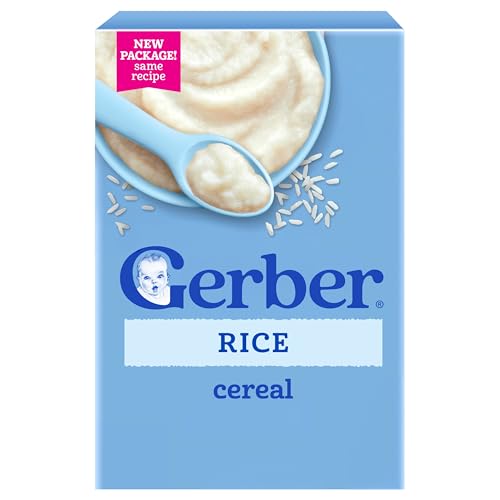
Basic, iron-fortified rice cereal from popular brands like Gerber or Beech-Nut. Usually available in 8–10 oz containers.
$4–$8Organic Rice Cereal
Made with organic brown or white rice. Brands like Happy Family Organics or Earth's Best.
$6–$12Hypoallergenic / Specialty
For babies with sensitive digestive systems or food sensitivities. Often comes in smaller, more targeted packages.
$8–$15Prices are approximate and may vary by retailer and location. Always check current prices online.
When budgeting for your baby's first year, remember that a single container of rice cereal typically lasts 2–3 weeks (depending on frequency of use). It's one of the most cost-effective first foods.
Frequently Asked Questions About Rice Cereal
Can I mix rice cereal with breast milk?
Yes! Mixing rice cereal with breast milk (or formula) is highly recommended – it gives the cereal a familiar taste and boosts its nutritional value.
Is rice cereal safe for babies with acid reflux?
Some pediatricians recommend a small amount of rice cereal to thicken formula or breast milk for babies with reflux. However, always consult your doctor before doing this – adding cereal to a bottle can be a choking hazard and should only be done under medical guidance.
How often should I give my baby rice cereal?
Start with once a day, gradually increasing to 2–3 times daily as your baby gets used to eating. Always follow your baby's hunger and fullness cues.
Can rice cereal cause constipation?
Rice cereal is low in fiber and can sometimes be constipating. If your baby seems uncomfortable, offer a little extra water or switch to a higher-fiber option like oatmeal cereal.
For more parenting tips, check out our guides on baby sleep and high chairs to make feeding time easier.
Final Thoughts: Is Rice Cereal Right for Your Baby?
Rice cereal remains a trusted and time-honored first food for babies around the world. It's gentle, nutritious, and widely available. By choosing a high-quality, iron-fortified, low-arsenic option and introducing it at the right time, you're giving your baby a healthy start on their solid food journey.
Remember, every baby is unique – trust your instincts and always consult your pediatrician for personalized advice. And don't forget to explore other baby food options as your little one grows.
✅ Ready to choose? Check out our recommended baby rice cereals below – all hand-picked for quality and safety.