Ultimate Breast Milk Guide
Everything you need to know about pumping, storing, and feeding breast milk. Expert advice for new moms.
Shop Recommended Breast PumpsWhy Breast Milk Matters: Breast milk provides the perfect nutrition for your baby, adapting to their needs. Whether you're nursing directly, pumping, or both, understanding how to handle breast milk safely and efficiently is key to a successful breastfeeding journey.
Nutritional Powerhouse: Why Breast Milk is Best
Breast milk is a living fluid that changes to meet your baby's needs. It contains the perfect balance of proteins, fats, carbohydrates, and antibodies that help protect your baby from infections. The American Academy of Pediatrics recommends exclusive breastfeeding for the first six months. If you're building your baby registry, a quality breast pump is a must-have item.
Key benefits include:
- Immune protection: Antibodies and immune cells that reduce ear infections, respiratory illnesses, and diarrhea.
- Optimal brain development: DHA and other fatty acids that support cognitive growth.
- Digestive health: Easier to digest than formula, reducing colic and constipation.
- Bonding: Skin-to-skin contact during nursing promotes emotional connection.
For moms who return to work or need flexibility, a reliable breast pump is essential to maintain milk supply and provide expressed milk for your baby.
Pumping 101: Choosing the Right Breast Pump
Selecting the right breast pump depends on your lifestyle, budget, and nursing goals. There are three main types: manual, electric single, and electric double pumps. A double electric pump is the most efficient for regular use, allowing you to pump both breasts simultaneously in about 10-15 minutes.
Consider these factors:
- Frequency: If you pump daily, invest in a hospital-grade or high-quality electric pump.
- Portability: Wearable pumps offer hands-free convenience for busy moms.
- Budget: Prices range from $50 for manual to over $400 for smart pumps. Many insurance plans cover a pump at no cost.
Look for features like adjustable suction levels, battery operation, and closed-system design to prevent milk backflow. Pair your pump with the right nursing pads and breast milk storage bags for a complete system.
Safe Breast Milk Storage: Guidelines & Best Practices
Proper storage ensures your baby gets the full nutritional and safety benefits of breast milk. Follow these CDC-recommended guidelines:
- Freshly expressed: Up to 4 hours at room temperature (77°F or cooler).
- Refrigerator: Up to 4 days (at 40°F or below).
- Freezer: 6 months is best, up to 12 months is acceptable.
- Thawing: Thaw overnight in the fridge or under warm running water. Never use a microwave.
Use BPA-free bags or hard plastic containers designed for breast milk. Label each container with the date and time. For easy organization, a diaper caddy can help keep storage bags and pumping accessories in one place.
If you're traveling, a portable cooler bag with ice packs can keep milk safe for up to 24 hours. Always check for signs of spoilage before feeding.
Overcoming Breastfeeding Challenges
Many mothers face hurdles like low supply, engorgement, or latch issues. Here are practical solutions:
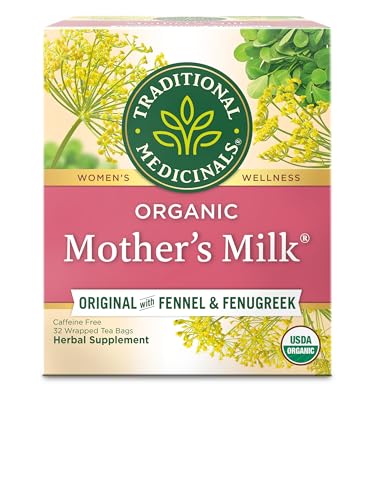
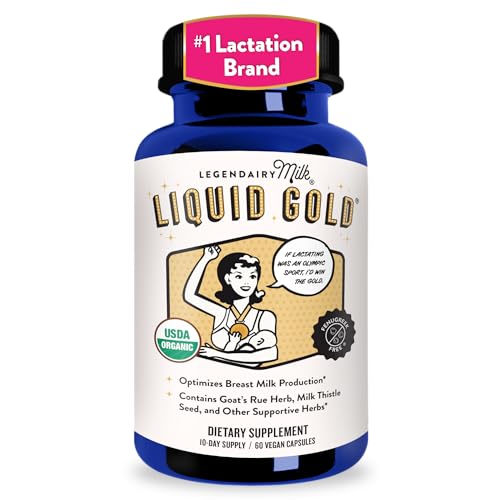
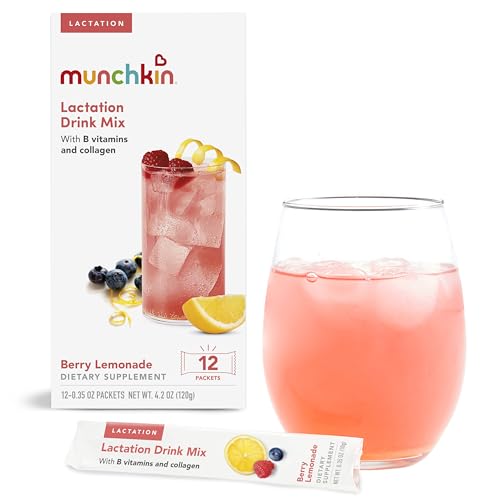
- Low supply: Increase frequency of feeding/pumping, stay hydrated, and consider lactation supplements. Power pumping (pumping for 10 minutes, resting 10, repeating for an hour) can boost supply.
- Engorgement: Nurse or pump frequently, use cold compresses after feeding, and massage gently.
- Painful latch: Seek help from a lactation consultant. Ensure baby's mouth covers the entire areola, not just the nipple.
- Plugged ducts: Apply warm compresses before feeding and massage the affected area.
Remember, it's okay to supplement with formula if needed. Every drop of breast milk offers benefits. For more support, check out our guide on colic in babies and baby sleep patterns – both can be affected by feeding habits.
Pumping and Returning to Work: A Smooth Transition
Planning your return to work while maintaining breastfeeding is possible with a solid plan. Start practicing pumping a few weeks before your return, building a small freezer stash. Communicate with your employer about a private, clean space to pump.
Invest in a high-quality, efficient pump that works for your schedule. A breast pump with a hands-free bra and multiple flanges can make pumping at work much easier. Also, consider a diaper bag with insulated pockets to transport milk safely.
Talk to your childcare provider about your feeding preferences. Most are happy to feed expressed milk according to your baby's cues. Stay hydrated and maintain a healthy diet to support milk production.
Ready to start your breastfeeding journey? Explore our top-rated breast pumps and milk storage solutions.
Shop Breast Pumps & Accessories