Baby Bibs Buying Guide
From silicone to cloth, bandana to bibs with sleeves – find the perfect bib for every stage. We cover materials, absorbency, safety, and care so you can choose with confidence.
Why this guide matters: A good bib saves laundry, keeps baby comfortable, and makes mealtime (and teething) easier. With so many options, it’s easy to feel overwhelmed. We break down the pros, cons, and best uses for each type, so you can buy the right bib for your baby’s age and needs.
Types of Baby Bibs: Which One Is Right for Your Baby?
Choosing the best baby bibs depends on your baby’s age, feeding habits, and whether they are teething. Here’s a breakdown of the most popular styles.
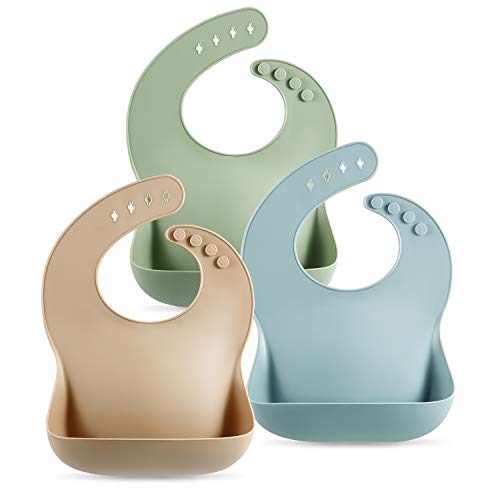
🧷 Silicone Bibs
- Best for: Messy eaters (6+ months), self-feeding
- Pros: Waterproof, easy to wipe clean, dishwasher safe, built-in crumb catcher
- Cons: Can be heavy for newborns, may irritate sensitive skin
- Price range: $10–$20
Ideal for baby-led weaning and puree feeding. Look for food-grade silicone, BPA-free.
See our baby-led weaning supplies guide →🧵 Cloth / Fabric Bibs
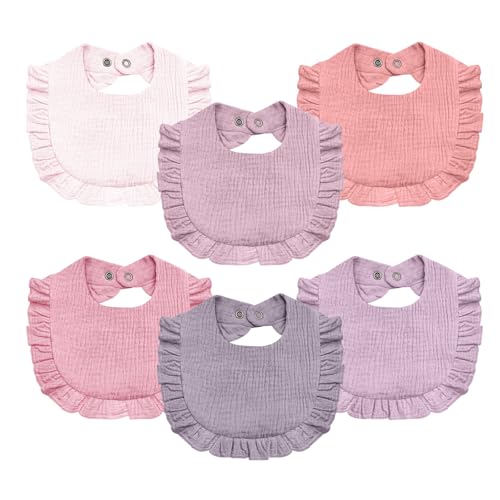
- Best for: Newborns, light drooling, breastfed babies
- Pros: Soft, absorbent, gentle on skin, many designs
- Cons: Need frequent washing, not waterproof
- Price range: $5–$15 (multi-packs)
Great for burping and catching mild spit-up. Cotton or bamboo are breathable choices.
Explore baby clothing essentials →🧣 Bandana Bibs
- Best for: Fashion-forward parents, drooling (3-12 months)
- Pros: Stylish, lightweight, often made of bamboo or cotton
- Cons: Less absorbent than thick cloth, may need liner
- Price range: $8–$18
Double-layered bandana bibs with a waterproof backing are more practical.
Teething tips for happier days →👕 Sleeved Bibs (Coverall)
- Best for: Messy eaters, painting, sensory play
- Pros: Full coverage, long sleeves, protects clothes completely
- Cons: Bulky, harder to put on, may be hot in summer
- Price range: $12–$25
Often made of waterproof polyester with a soft cotton back. Great for toddlers.
More baby feeding guides →Materials & Safety: What to Look For
When shopping for baby bibs, material and safety are paramount. Here’s what we recommend:
- Food-grade silicone – BPA-free, PVC-free, and phthalate-free. Easy to sanitize.
- Organic cotton or bamboo – Hypoallergenic, breathable, and soft on sensitive skin.
- Waterproof backing – Look for TPU or polyester laminate (PUL) to prevent soaking through.
- Closure safety – Avoid small buttons or loose parts that could be choking hazards. Velcro should be soft and covered.
- Neck size adjustability – Snaps or adjustable buckles grow with your baby.
Safety tip: Always remove bibs during sleep and never leave a baby unattended with a bib that has a long tie or strap. For newborns, use small, lightweight cloth bibs that don’t cover the mouth or nose.
Quick Comparison: Which Bib Fits Your Needs?
| Bib Type | Absorbency | Ease of Clean | Best Age | Price Range |
|---|---|---|---|---|
| Silicone | Waterproof (not absorbent) | Very easy (wipe or dishwasher) | 6+ months | $10–$20 |
| Cloth (cotton) | High | Moderate (machine wash) | 0–6 months | $5–$15 (pack) |
| Bandana (bamboo) | Medium | Moderate (machine wash) | 3–12 months | $8–$18 |
| Sleeved coverall | Waterproof | Easy (wipe or wash) | 12+ months | $12–$25 |
*Prices are approximate and may vary by brand and retailer.
How to Care for Baby Bibs
Proper care extends the life of your bibs and keeps them hygienic.
- Silicone bibs: Wash with warm soapy water or pop in the dishwasher (top rack). Air dry.
- Cloth & bandana bibs: Machine wash cold with gentle detergent. Tumble dry low or air dry to prevent shrinkage.
- Sleeved bibs: Check care label – most are machine washable. Avoid fabric softeners as they reduce absorbency.
- Stain removal: Pre-treat with a gentle stain remover or baking soda paste.
Pro tip: Keep 3–5 bibs in rotation. For heavy droolers or messy eaters, consider buying a 10-pack of cloth bibs to reduce laundry frequency.
How Many Bibs Do You Need?
Here’s a practical estimate based on your baby’s age and feeding style:
- Newborn (0-3 months): 5-7 cloth bibs for spit-up and burping.
- 4-6 months (starting solids): 3-4 silicone or bandana bibs for purees.
- 6-12 months (self-feeding): 4-6 silicone or sleeved bibs for messy meals.
- Toddler (12+ months): 3-5 large bibs or coveralls for independent eating.
Having a mix of types is often the best strategy – lightweight cloth for home, silicone for on-the-go, and sleeved for art projects.
View our complete baby registry checklist →Ready to choose the perfect baby bibs? Explore our curated recommendations below. Every product is vetted for safety, quality, and value.
Scroll down to see our top picks from Amazon (affiliate links).