Baby Formula Buying Guide
Everything you need to know to choose the best formula for your baby. From types and ingredients to preparation and top-rated products.
Choosing the right baby formula is one of the most important decisions you'll make for your little one. Whether you're supplementing breastfeeding or formula-feeding exclusively, understanding the differences between types, ingredients, and preparation methods will help you make an informed choice. This guide covers everything from standard cow's milk-based formulas to specialized options for sensitive tummies.
Types of Baby Formula
🥛 Cow's Milk-Based Formula
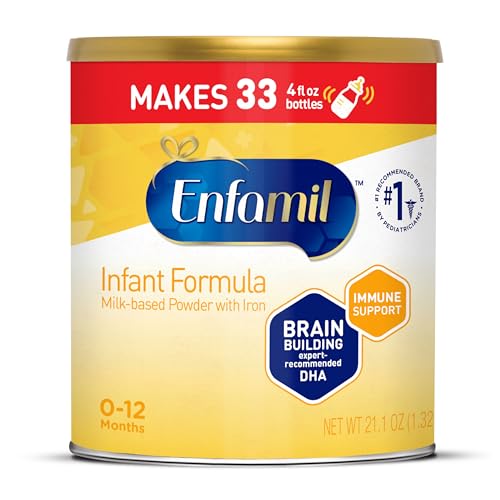
The most common type, made from cow's milk protein that has been modified to be easier for babies to digest. Fortified with iron, DHA, and other essential nutrients. Suitable for most healthy, full-term infants.
Popular brands: Enfamil NeuroPro, Similac Pro-Advance, Gerber Good Start.
🌾 Soy-Based Formula
Made from soy protein and lactose-free. Ideal for babies with cow's milk protein allergy or lactose intolerance. Also a good option for vegetarian families. Ensure your pediatrician recommends this type.
Popular brands: Similac Soy Isomil, Enfamil ProSobee.
🧴 Hydrolyzed / Hypoallergenic Formula
Proteins are broken down into smaller pieces, making them less likely to cause allergic reactions. Recommended for babies with severe allergies or digestive issues. Available in partially and extensively hydrolyzed forms.
Popular brands: Enfamil Nutramigen, Similac Alimentum.
🌿 Organic Formula
Made from organic ingredients (no synthetic pesticides, fertilizers, or GMOs). Often includes DHA, ARA, and prebiotics. A premium choice for parents who prioritize organic nutrition.
Popular brands: Earth's Best Organic, Happy Baby Organic, Similac Organic.
What to Look For on the Label
- DHA & ARA: Omega-3 and omega-6 fatty acids that support brain and eye development. Most premium formulas include them.
- Iron: Essential for healthy blood and brain development. All infant formulas in the US are iron-fortified.
- Prebiotics & Probiotics: Help support a healthy digestive system and immune function.
- Nucleotides: Building blocks for the immune system, naturally found in breast milk.
- Lactose: The primary carbohydrate in breast milk. Some sensitive formulas use alternative carbohydrates like corn syrup solids.
💡 Pro Tip: Always check the expiration date and ensure the package is intact. Store prepared formula in the refrigerator and use within 24 hours.
Choosing the Right Formula & Preparation Tips
👶 How to Choose
Start with a standard cow's milk-based formula unless your baby shows signs of allergy or sensitivity. Consult your pediatrician before switching to specialized formulas. Look for formulas that meet FDA standards and contain DHA for brain development. Remember, the best formula is the one your baby tolerates well.
For more guidance on baby feeding, check out our Starting Solids Guide and Breast Pump Reviews.
🧴 Preparation & Safety
- Wash hands thoroughly before preparing formula.
- Sterilize bottles and nipples for babies under 3 months, or if recommended by your pediatrician.
- Use safe water – boiled and cooled water or nursery water is recommended.
- Follow mixing instructions exactly – too much or too little powder can cause digestive issues.
- Warm the bottle by placing it in warm water, never microwave.
- Test temperature on your wrist before feeding.
- Use within 1 hour after feeding begins; discard any leftover.
Also check our Baby Bottle Guide and Bottle Sterilizers for more feeding essentials.
Frequently Asked Questions
Can I switch formulas?
Yes, but transition gradually over a few days to allow your baby's digestive system to adjust. Watch for signs of intolerance like gas, fussiness, or rash.
How much formula does my baby need?
On average, newborns drink 1-3 oz per feeding, increasing to 4-6 oz by 2 months. Follow your baby's hunger cues and consult your pediatrician.
Is organic formula worth it?
Organic formulas avoid synthetic pesticides and GMOs. They are a personal choice; many standard formulas also provide excellent nutrition.
What about specialty formulas?
Hypoallergenic and soy formulas are for specific needs. Always consult your pediatrician before using them, as they can be expensive and unnecessary.
Ready to Choose the Best Formula for Your Baby?
Browse our recommended baby formulas below – each carefully selected for quality, nutrition, and safety.
Shop Top-Rated Formulas →