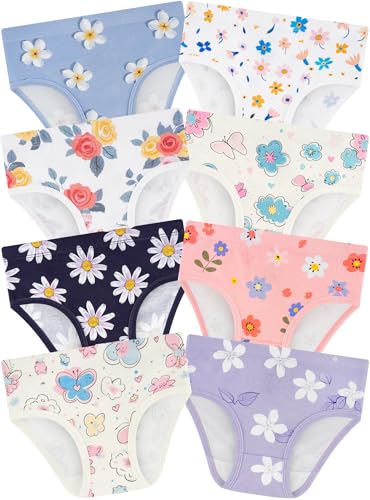
Toddler Underwear: A Complete Buying Guide for Parents
Choosing the right toddler underwear is a milestone moment. This guide explains fit, fabric, styles, sizing, and potty training transitions so you can pick a pair that keeps your child comfortable and confident.
Why this guide matters: Underwear is the first garment your toddler wears directly against sensitive skin for most of the day. The wrong fit or fabric can cause chafing, bunching, and resistance to potty training. The right pair supports independence, comfort, and confidence during a critical developmental stage.
When Should Your Toddler Start Wearing Underwear?
There is no single correct age. Most children begin showing readiness between 18 months and 3 years, but the timing depends on developmental signals rather than a calendar date. Watch for these signs before making the switch:
- Staying dry for longer stretches, often two hours or more
- Showing curiosity about the potty or toilet
- Discomfort or fussiness when wearing a soiled diaper
- Pulling pants up and down with minimal assistance
- Following simple two-step instructions
- Asking to use the potty or telling you before an accident
If your child is resistant, pause and revisit in a few weeks. Pressure rarely speeds up readiness. For children who are almost there, pairing underwear with a potty training seat can build positive associations and make the routine feel familiar.
Training Pants vs. Toddler Underwear: What's the Difference?
Parents often use these terms interchangeably, but they serve different purposes. Understanding the distinction helps you plan a smoother transition.
| Feature | Training Pants | Toddler Underwear |
|---|---|---|
| Absorbency | Absorbent core with leak protection | Non-absorbent, thin fabric |
| Purpose | Bridge between diapers and underwear | True underwear for children who are mostly trained |
| Wetness feedback | Muted, feels somewhat like a diaper | Immediate, helps children learn cause and effect |
| Best for | Early training, naps, outings during transition | Daytime training and children who stay dry consistently |
Many families use both during the transition. Training pants are useful for naps, long outings, and the first weeks of potty learning, while toddler underwear is ideal for daytime practice once your child shows consistent dryness. A common approach is to start with training pants and move to underwear once accidents become infrequent.
Choosing the Right Fabric for Toddler Underwear
Fabric affects comfort, breathability, and how easily your child notices wetness. Here is how the most common materials compare:
100% Cotton
The gold standard for everyday wear. Cotton is breathable, soft, and gentle on sensitive skin. It helps prevent overheating and makes wetness noticeable during training. Look for combed or ring-spun cotton for extra softness.
Cotton-Elastane Blend
Adds a small amount of stretch for better shape retention and easier movement. Blends typically contain 3 to 8 percent elastane and are a solid choice for active toddlers who need underwear that stays in place.
Bamboo Viscose
Exceptionally soft and naturally moisture-wicking. Bamboo feels luxurious against the skin and is a good option for children with sensitivity to synthetic fibers. It tends to be more delicate, so check care instructions.
Synthetic Blends
Quick-drying and durable, but less breathable than natural fibers. Best reserved for specific uses like swim diapers or activewear. For everyday underwear, natural fibers are generally preferred for skin health.
For children prone to skin irritation, avoid synthetic fabrics and choose hypoallergenic options. If your toddler has eczema or sensitive skin, review our guide to eczema-friendly baby products for complementary skincare recommendations.
Toddler Underwear Styles: Briefs, Boyshorts, and More
Style affects comfort, fit, and how easily your child can pull underwear up and down independently. Here are the most common options:
- Briefs: Classic cut with full coverage and an elastic waistband. Easy to pull up and down, making them a strong choice for potty training beginners.
- Boyshorts: Slightly longer leg coverage, popular for girls who prefer more coverage under dresses and skirts. Often available in fun prints.
- Boxer briefs: A popular choice for boys, combining the coverage of briefs with the longer leg of boxers. Look for soft waistbands that do not dig in.
- Hipsters: Lower rise with a bit more stretch. Best for older toddlers who have mastered dressing independently.
- Training-specific underwear: Some brands add extra layers in the front and back for mild absorbency. These are useful as a stepping stone before fully non-absorbent underwear.
Let your child pick a character or color they love. Ownership increases willingness to wear underwear and supports the emotional side of potty training. For families working through nighttime dryness, our guide on nighttime potty training covers strategies and product considerations.
How to Get the Right Fit
A proper fit prevents bunching, chafing, and leaks. Toddler underwear is typically sized by weight and waist measurement, but fit can vary between brands. Use these guidelines:
- Waistband: Should sit comfortably at the waist without rolling or leaving red marks. A waistband that digs in is a sign to size up.
- Leg openings: Should lie flat against the skin without gaping. Loose leg openings cause leaks; tight ones cause chafing.
- Seat coverage: Full coverage prevents riding up and reduces discomfort during active play.
- Movement test: Have your child squat, sit, and run. Underwear should stay in place without constant adjustment.
When between sizes, size up. Toddlers grow quickly, and a slightly roomier fit is more comfortable than a snug one. Check the brand's size chart, as sizing varies considerably between manufacturers.
How Many Pairs Do You Actually Need?
During early training, accidents are frequent. A practical starting point is 10 to 14 pairs per child. This allows for:
- Multiple changes per day during the first weeks
- A clean pair available at daycare, grandma's house, and the diaper bag
- Laundry buffer so you are never caught without a clean pair
- Rotation that extends the life of each pair
Once your child is consistently dry, 7 to 10 pairs is usually sufficient. Keep two or three spare pairs in your diaper bag or car for outings. A well-organized diaper backpack with insulated pocket can double as a potty training kit with spare underwear, wipes, and a change of clothes.
Pairing Underwear with Potty Training
Underwear is a tool, not a shortcut. The most effective potty training routines combine the right gear with consistent routines and positive reinforcement. Here are practical strategies:
- Start with short sessions. Begin with 30-minute underwear sessions at home, then gradually extend.
- Schedule potty breaks. Offer the potty every 60 to 90 minutes, especially after meals and drinks.
- Celebrate successes, not accidents. Keep reactions to accidents neutral and encouraging.
- Use the right seat. A potty training seat with ladder gives toddlers independence and confidence to use the adult toilet.
- Layer for easy cleanup. Keep spare underwear and clothes accessible in every room and in the car.
- Be patient with regressions. Setbacks are normal, especially during travel, illness, or big changes.
For children who need extra support, a potty training toilet seat with ladder combines a seat reducer with a step, making the transition to the adult toilet safer and more comfortable. If your child is struggling, consider whether professional help with toilet training is appropriate.
Washing and Caring for Toddler Underwear
Toddler underwear goes through frequent washing, so durability matters. Follow these care practices to extend the life of each pair:
- Wash new underwear before first wear to remove manufacturing residues
- Use a gentle, fragrance-free detergent suitable for sensitive skin
- Wash in warm water and tumble dry low, or line dry to preserve elasticity
- Avoid fabric softeners, which reduce absorbency and can irritate skin
- Pre-treat stains promptly, especially during early training weeks
- Keep a small wet bag in the diaper bag for soiled underwear on the go
If your toddler has sensitive skin, choose fragrance-free detergent and consider hypoallergenic wipes for cleanup during changes to reduce irritation risk.
Common Toddler Underwear Mistakes to Avoid
Buying Too Many at Once
Children grow quickly. Buy a starter set of 6 to 8 pairs, confirm the fit works, then expand the rotation.
Ignoring Fabric Content
Synthetic fabrics can trap heat and irritate sensitive skin. Prioritize breathable cotton for daily wear.
Rushing the Transition
Starting underwear before readiness leads to frustration for both parent and child. Watch for readiness signs.
Skipping the Movement Test
Underwear that rides up or bunches during play causes discomfort and resistance. Always test fit in motion.
Frequently Asked Questions
How many pairs of toddler underwear should I buy?
A practical starting point is 10 to 14 pairs. Early potty training involves frequent accidents, so a generous rotation reduces laundry stress and keeps a clean pair available at all times.
What fabric is best for toddler underwear?
Breathable cotton is the most recommended choice for everyday wear. Cotton keeps the skin cool, reduces irritation risk, and makes it easier for toddlers to feel wetness during training. Blends with a small amount of elastane add stretch and shape retention.
When should my toddler start wearing underwear?
Most children show readiness between 18 months and 3 years. Signs include staying dry for longer stretches, showing interest in the potty, discomfort in a soiled diaper, and the ability to pull pants up and down with minimal help.
Are training pants the same as toddler underwear?
They serve different purposes. Training pants are absorbent and act as a bridge between diapers and underwear, while true toddler underwear is thin, non-absorbent, and helps children learn to recognize and respond to wetness.
How do I handle accidents during potty training?
Stay calm and neutral. Clean up matter-of-factly, remind your child that accidents happen, and encourage them to try again. Positive reinforcement for successes is far more effective than punishment or frustration.
Final Thoughts
Toddler underwear is more than a small garment. It is a marker of independence, a tool for potty training, and a daily comfort item for your child. Prioritize breathable fabrics, a secure fit, and styles your child is excited to wear. Start with a manageable rotation, pair underwear with consistent potty routines, and give your toddler time to build confidence. With the right approach, the transition from diapers to underwear becomes a positive milestone for the whole family.