Training Pants Buying Guide
Everything you need to know about choosing the right pull-ups and training underwear for your toddler's potty training journey.
START EXPLORINGWhy Training Pants Matter: Training pants bridge the gap between diapers and regular underwear, giving toddlers the confidence to pull their pants up and down while providing a safety net during accidents. Choosing the right type, size, and absorbency level can make the potty training process smoother for both you and your child.
In This Guide
What Are Training Pants?
Training pants are absorbent, pull-up style underwear designed to help toddlers transition from diapers to regular underwear. Unlike traditional diapers that fasten on the sides, training pants are pulled on and off like real underwear, allowing toddlers to practice the motor skills they need for independent potty use.
They are typically used during the potty training phase, which usually begins between 18 and 30 months of age, though every child develops at their own pace. Training pants provide a safety net for accidents while giving toddlers the feeling of wearing "big kid" underwear, which can boost confidence and motivation.
There are two main categories: disposable training pants (often called pull-ups) and reusable cloth training pants. Each has distinct advantages depending on your lifestyle, potty training approach, and environmental preferences.
Many parents combine both types, using reusable training pants during the day at home and disposable training pants for outings, naps, and nighttime. This hybrid approach balances convenience with the learning benefits of feeling wetness. For a broader look at potty training tools, explore our guides on potty training seats and nighttime potty training.
Signs Your Toddler Is Ready for Training Pants
Before introducing training pants, look for these developmental and behavioral signs that indicate your toddler is ready to begin the potty training journey:
- Staying dry for longer periods — a dry diaper for two hours or more, or waking up dry from a nap.
- Showing interest in the potty — following you to the bathroom, asking questions, or wanting to sit on the potty.
- Disliking wet or soiled diapers — telling you when they need a change or trying to remove a dirty diaper.
- Pulling pants up and down — demonstrating the motor skills needed to manage clothing independently.
- Understanding simple instructions — able to follow directions like "sit on the potty" or "pull your pants down."
- Showing discomfort with a dirty diaper — expressing dislike or asking to be changed.
- Predictable bowel movements — having a relatively consistent schedule that you can anticipate.
Most toddlers show these signs between 18 and 30 months, but some may be ready earlier or later. There is no rush — forcing potty training before a child is developmentally ready can lead to frustration for both of you. Once you notice several of these signs consistently, it is a good time to introduce training pants and a potty training seat with a ladder to build independence.
Types of Training Pants
Training pants come in several styles, each designed for different stages and preferences. Understanding the differences helps you choose the best option for your child's needs.
1. Disposable Training Pants (Pull-Ups)
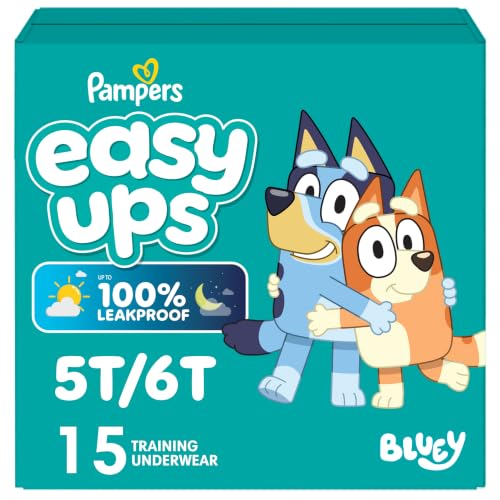
These are the most common type, featuring an absorbent core similar to a diaper but with a pull-up design. They often have stretchy sides that can be torn for easy removal when soiled. Disposable training pants are convenient for outings, naps, and nighttime, and they typically feature designs with popular characters to motivate toddlers.
2. Reusable Cloth Training Pants
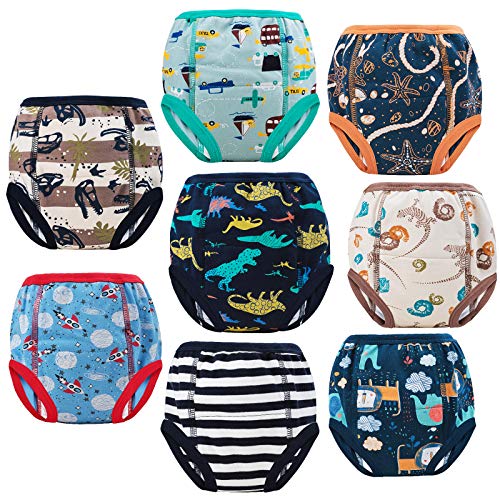
Cloth training pants are made from absorbent fabrics like cotton or bamboo with a waterproof outer layer. They are washed and reused, making them a more sustainable option. Many cloth training pants allow toddlers to feel wetness, which can accelerate the learning process. They usually come in sized options and need to be changed more frequently than disposables.
3. Training Underwear (Padded Underwear)
These are essentially regular underwear with extra absorbent padding in the front and back. They are designed to catch small accidents while letting toddlers feel wetness, helping them learn to recognize the sensation of needing to go. Training underwear is ideal for the later stages of potty training when accidents are less frequent.
4. Hybrid Training Pants
Some brands offer hybrid options that combine features of both disposable and reusable training pants. These may have a reusable outer shell with a disposable absorbent insert, or they may be disposable pants with a more underwear-like feel. These are a middle ground for parents who want convenience with a more eco-friendly approach.
Basic Pull-Ups
Simple disposable training pants with standard absorbency. Good for daytime use at home during the early stages of potty training. Feature basic designs and tear-away sides.
Enhanced Pull-Ups
Upgraded disposable training pants with improved absorbency, softer materials, and better stretch. Often include wetness indicators and more durable side seams for repeated pull-up and down.
Nighttime & Specialized
High-absorbency training pants designed for overnight use or heavy wetters. Feature extra absorbent cores, leak guards, and softer fabrics. Also includes premium cloth training pants with多层 absorbent panels.
Absorbency Levels Explained
Training pants come in different absorbency levels, and choosing the right one depends on your toddler's stage and needs. Here is how the levels typically break down:
| Absorbency Level | Best For | Typical Features |
|---|---|---|
| Light Absorbency | Daytime use for toddlers who are mostly accident-free and need minimal backup | Thin profile, underwear-like feel, minimal padding |
| Moderate Absorbency | Daytime use during early potty training, short outings, and active toddlers | Standard core, stretchy sides, wetness indicator |
| High Absorbency | Naptime, longer outings, and toddlers who drink a lot of fluids | Thicker core, leak guards, snug fit around legs |
| Maximum Absorbency | Nighttime use and heavy wetters who may not wake up to use the potty | Extra-thick core, double leak guards, overnight protection |
For daytime potty training, moderate absorbency is usually sufficient. As your toddler gains control, you can transition to light absorbency or training underwear. For nighttime, maximum absorbency training pants are recommended until your child consistently wakes up dry. If your child is a heavy wetter, consider potty training pull-ups that turn cold to help them recognize when they have had an accident.
Getting the Right Fit
A proper fit is crucial for both comfort and leak prevention. Training pants that are too small can cause discomfort and red marks, while those that are too large may leak and slide down.
How to Measure
- Weight is the primary guide — most training pants are sized by weight range, which is printed on the packaging. Follow the manufacturer's guidelines closely.
- Waist and leg fit — the waistband should sit comfortably around the belly without rolling down. Leg cuffs should be snug but not tight enough to leave marks.
- Check for gaps — run a finger around the leg openings. If there is a gap, leaks are likely. If the elastic leaves deep red marks, the size is too small.
- Mobility test — your toddler should be able to walk, squat, and climb comfortably without the training pants restricting movement.
If your toddler is between sizes, choose the larger size for comfort and better coverage. Remember that sizing can vary between brands, so always check the specific brand's sizing chart. For more on potty training independence, consider pairing training pants with a potty training toilet seat with a ladder that helps your child get on and off the toilet safely.
Disposable vs. Reusable Training Pants
Choosing between disposable and reusable training pants is one of the most common dilemmas for parents. Here is a detailed comparison to help you decide:
Disposable Training Pants — Advantages
- Highly absorbent and leak-resistant
- Convenient for outings and travel
- No washing required
- Tear-away sides for easy cleanup
- Wetness indicators on many models
- Fun character designs motivate toddlers
Disposable Training Pants — Considerations
- Recurring purchase needed
- Less environmentally friendly
- Can feel too similar to diapers
- May slow the learning of wetness sensation
Reusable Cloth Training Pants — Advantages
- One-time investment, reusable for months
- Toddlers feel wetness, accelerating learning
- Environmentally friendly
- Softer, more breathable fabrics
- Available in absorbent bamboo and organic cotton
Reusable Cloth Training Pants — Considerations
- Requires frequent washing
- Less absorbent than disposables
- Needs multiple pairs on hand
- Can leak during heavy accidents
Many families use a combination: reusable cloth training pants during the day at home for faster learning, and disposable training pants for outings, naps, and nighttime for convenience and leak protection. If you are looking for additional potty training tools, our guide on potty training seats covers the options for making the toilet comfortable and accessible for your toddler.
Features That Matter When Choosing Training Pants
Not all training pants are created equal. Here are the key features to look for:
Wetness Indicators
Many disposable training pants feature a wetness indicator — a line or design that changes color when wet. This helps parents know when a change is needed and can help toddlers begin to associate the feeling of wetness with the need to use the potty.
Stretch and Comfort
Look for training pants with stretchy sides and soft, breathable materials. Toddlers will be pulling these up and down multiple times a day, so comfort is essential. Cloth training pants should have soft, elastic waistbands that do not dig in.
Easy Tear-Away Sides
For disposable training pants, tear-away sides are a lifesaver when dealing with a soiled accident. You can remove the training pants without pulling them down over your toddler's legs, which is especially helpful during messy cleanups.
Leak Guards
Leak guards around the leg openings help contain accidents, especially during naps and nighttime. If your toddler is a heavy wetter or you are using training pants for overnight, prioritize models with double leak guards.
Design and Motivation
Many disposable training pants feature popular characters from children's shows and movies. These designs can motivate toddlers to wear "big kid" pants and make potty training more fun. For reusable options, choose colors and patterns your child likes.
Nighttime Training Pants
Nighttime potty training is often the last hurdle in the potty training journey. Many toddlers continue to wet at night even after they are fully daytime trained. This is completely normal — nighttime bladder control is a developmental milestone that can take months or even years to achieve.
Nighttime training pants are designed with maximum absorbency to keep your child comfortable and dry through the night. They typically feature thicker cores, double leak guards, and a snug fit to prevent leaks from side-sleeping or heavy wetting.
When choosing nighttime training pants, look for:
- Maximum absorbency — designed to hold multiple wettings over 10-12 hours.
- Double leak guards — extra protection around the legs.
- Soft, breathable materials — comfort for all-night wear.
- A snug, secure fit — prevents sagging and leaks.
- Wetness indicators — some nighttime pants have indicators to help you know if your child had an accident.
For more tips on nighttime training, read our guide on nighttime potty training, which covers strategies for helping your child stay dry through the night. Some parents also use a potty training pull-up that turns cold to help children recognize when they are wet during the day, which can translate to better awareness at night over time.
Training Pants Buying Checklist
Before you make your purchase, use this checklist to ensure you are covering all the bases:
Before You Buy
- Confirm your toddler is showing signs of potty training readiness
- Decide whether you want disposable, reusable, or a mix of both
- Check your toddler's weight to determine the correct size
- Decide if you need daytime, nighttime, or both types
- Consider your lifestyle — travel, daycare, and time at home
- Ask your daycare provider about their training pants policy
- Stock up on potty training tools like a seat or step stool
What to Look For
- Comfortable, stretchy waistband that does not roll down
- Snug leg cuffs that prevent leaks without leaving marks
- Wetness indicator (for disposable pants)
- Tear-away sides for easy removal (for disposable pants)
- Soft, breathable fabric for reusable options
- Fun designs or characters to motivate your toddler
- Appropriate absorbency for the time of day
- Easy-care washing instructions (for reusable pants)
How Many to Buy
- Disposable: Plan for 4–6 changes per day. A pack of 30–40 usually lasts about a week.
- Reusable: Have 8–12 pairs on hand so you always have a clean pair while others are in the wash.
- Nighttime: If using disposables, a smaller pack of nighttime-specific pants is sufficient as they are changed once per night.
Once you have your training pants ready, pair them with toddler underwear for the transition to regular underwear, and consider a professional potty training consultant if you encounter persistent challenges.
Frequently Asked Questions
Training pants are absorbent pull-up style underwear designed to bridge the gap between diapers and regular underwear. Most toddlers are ready to start using training pants between 18 and 30 months, or when they show signs of readiness such as staying dry for longer periods, showing interest in the potty, and being able to pull their pants up and down. Every child is different, so watch for developmental cues rather than relying solely on age.
Always follow the manufacturer's weight and size guidelines, which are printed on the packaging. Training pants should fit snugly around the waist and legs without leaving red marks or gaps. If your toddler is between sizes, choose the larger size for comfort and better absorbency coverage. Sizing can vary between brands, so check the specific brand's chart before buying.
Pull-Ups is a common brand name that has become a generic term for disposable training pants. However, training pants also come in reusable cloth versions. Disposable training pants are more absorbent and convenient for outings, while cloth training pants help toddlers feel wetness and are more environmentally friendly. Both serve the same purpose: helping toddlers transition from diapers to underwear.
For disposable training pants, plan for about 4 to 6 changes per day during the early potty training stage, which means a pack of 30 to 40 should last roughly a week. For reusable cloth training pants, having 8 to 12 pairs on hand allows for frequent changes while others are in the wash. If your child attends daycare, check with the provider about how many changes they require you to supply each day.
Training pants can sometimes delay potty training if a child treats them exactly like diapers and feels no wetness. However, when used correctly as a transitional tool, training pants help toddlers practice pulling clothes up and down, build confidence, and learn to recognize the need to go. Many parents use training pants during naps, outings, and nighttime while using regular underwear during the day. If you find your child is not progressing, consider switching to training underwear or regular underwear during daytime hours.
Ready to Start Potty Training?
Explore our recommended training pants and potty training essentials to help your toddler transition with confidence. From disposable pull-ups to reusable cloth training pants, find the right fit for your family.
VIEW RECOMMENDATIONS