Potty Training Seat with Ladder: The Complete Buying Guide
Everything you need to know before choosing a ladder-style potty seat — from safety features and sizing to setup tips that make toddler training smoother.
EXPLORE RECOMMENDED PICKSWhy this guide matters: A potty training seat with ladder bridges the gap between a floor potty and the adult toilet. It gives toddlers the independence they crave while keeping them stable and secure. This guide walks you through the features that actually matter, so you can pick a model that fits your child, your bathroom, and your training routine.
What Is a Potty Training Seat with Ladder?
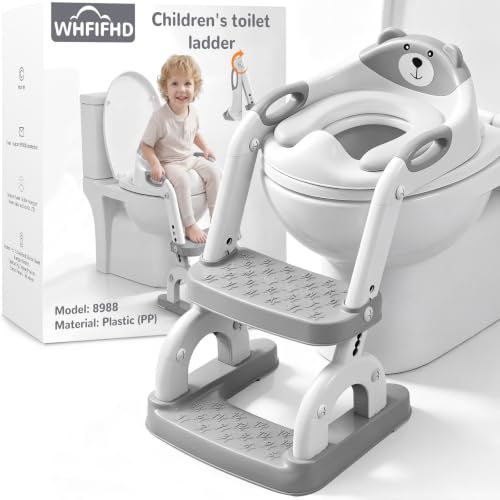
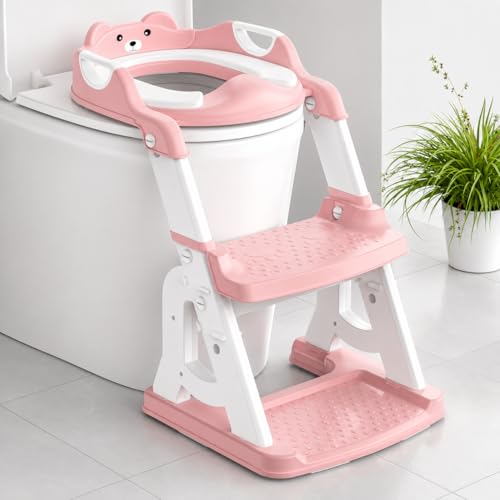
A potty training seat with ladder is a child-sized toilet insert that attaches to your regular toilet and includes an integrated step ladder. Your toddler climbs the ladder, sits on the reduced-size seat opening, and uses the family toilet with confidence. Unlike a standalone floor potty, this design helps children skip the later transition step and go straight to using the real toilet — a big win for many families.
These seats are especially helpful for toddlers who are tall enough to climb but still too small for an adult toilet opening. They are also a practical choice for parents who want to avoid cleaning a separate floor potty after every use. If you are still deciding between a floor potty and a toilet-mounted seat, our guide to the potty training seat covers the trade-offs in detail.
Key Features to Look For
Not all ladder seats are built the same. The right model balances stability, comfort, and ease of cleaning. Here are the features that matter most when you compare options.
Stability and Non-Slip Surfaces
A wobbly seat is a confidence killer for toddlers. Look for models with wide, non-slip feet on the ladder base and textured step surfaces. Some designs include rubberized grips on each step and a locking mechanism that secures the ladder to the toilet seat. These details make a real difference when your child is learning to climb and sit independently.
Adjustable Height and Fit
Bathrooms vary, and so do toddlers. Many mid-range and premium ladder seats offer adjustable ladder height or a folding design that stores compactly. Check the manufacturer's compatibility notes to confirm the seat fits your toilet shape — round versus elongated bowls are the most common source of fit issues. A model that fits poorly can slip or wobble, so measure your toilet before you buy.
Seat Cushion and Comfort
Toddlers are more willing to sit when the seat feels comfortable. Padded or contoured cushions help, especially during longer training sessions. Removable, wipe-clean cushions are easier to maintain and keep hygienic. Entry-level models often use a simple hard plastic seat, while mid-range and premium options add soft cushions and splash guards.
Foldability and Storage
If your bathroom is compact, a folding ladder seat is a practical choice. These models collapse flat or fold against the toilet when not in use, freeing up floor space. Non-folding models are typically more rigid and stable, so there is a trade-off between portability and structural solidity. Think about your daily routine: will the seat stay out, or will it need to be tucked away between uses?
Easy Cleaning
Accidents happen — especially in the early weeks of training. Look for seats with smooth, crevice-free surfaces and removable cushions. A splash guard at the front helps contain messes. Avoid models with deep grooves or fabric covers that trap moisture and odor.
Types of Potty Training Seats with Ladders
Ladder seats fall into a few broad categories. Understanding these helps you match a model to your child's age, size, and your bathroom setup.
| Tier | Category | Best For |
|---|---|---|
| Entry-level | Basic foldable ladder seat | Families starting training and wanting a simple, lightweight option |
| Mid-range | Adjustable ladder seat with padded cushion | Growing toddlers who need comfort and a secure fit |
| Premium | Heavy-duty ladder seat with reinforced frame and non-slip steps | Frequent use, larger toddlers, and families who want long-term durability |
| Top-tier | Multi-stage convertible training seat | Parents who want a seat that adapts from early training through full independence |
Entry-level models are usually lightweight and easy to move between bathrooms. Mid-range seats add padding and better adjustability, which makes them a solid choice for most families. Premium and top-tier models focus on reinforced construction, wider steps, and long-term durability — a worthwhile investment if you plan to train multiple children. If you prefer a seat that stays put without a ladder, the potty training toilet seat with ladder comparison covers how ladder and non-ladder designs differ in daily use.
How to Choose the Right Seat for Your Toddler
Choosing a seat is less about finding the "best" model and more about matching the seat to your child and your home. Use these questions to narrow your options.
Is your child ready for ladder-style training?
Ladder seats work best for toddlers who can climb steps with some confidence and follow simple instructions. If your child is still very young or hesitant about climbing, a floor potty may be a gentler starting point. Many families begin with a floor potty and move to a ladder seat once the child shows interest in the adult toilet.
What is your bathroom layout?
Measure the space around your toilet. A folding ladder seat is easier to store in a small bathroom, while a fixed model needs clearance to stay set up. Also check the toilet bowl shape: elongated bowls need a seat designed for elongated toilets, and compact one-piece toilets may require a specific fit.
How often will the seat be used?
If the seat will be used daily by a single child, a mid-range model with a padded cushion and secure ladder lock is usually sufficient. If you are training multiple children or expect heavy daily use, a premium or heavy-duty model with reinforced steps and a solid frame will hold up better over time.
Do you need portability?
Some families keep one seat at home and a second lightweight seat for travel or grandparents' houses. Foldable entry-level models are convenient for this purpose, while the primary seat at home can be a sturdier mid-range or premium option.
If you are also preparing for nighttime training, our guide to nighttime potty training explains how daytime ladder-seat practice supports overnight success. And once your child is ready for the next step, toddler underwear helps reinforce independence.
Safety Tips for Using a Ladder Seat
Ladder seats are safe when used correctly, but a few precautions go a long way.
- Always supervise. Stay within arm's reach while your toddler climbs and sits, especially in the first few weeks.
- Check the lock. Confirm the ladder is fully locked into the seat before your child climbs. A partially engaged lock can cause wobbling.
- Keep the base dry. Wet bathroom floors reduce grip on non-slip feet. Wipe up splashes promptly.
- Inspect regularly. Check screws, hinges, and rubber grips for wear. Tighten or replace parts as needed.
- Teach safe climbing. Show your child how to face the ladder and hold the sides while climbing, rather than rushing up the steps.
These habits build confidence and reduce the risk of slips. For a broader look at potty seat options and safety comparisons, see our roundup of potty training seats.
Setting Up Your Ladder Seat: Step by Step
Setup is usually straightforward, but doing it correctly the first time prevents wobbles and frustration later.
- Unbox and inspect. Check that all parts are present and that the ladder, seat, and attachment points are free of cracks.
- Attach the seat to the toilet. Most models use adjustable brackets or clamps that grip the toilet rim. Follow the manufacturer's instructions and tighten until the seat is secure but not over-tightened.
- Deploy the ladder. Fold out the ladder and confirm it locks into place. The base should rest flat on the floor with all feet in contact.
- Test stability. Gently press down on each step and the seat to check for movement. If the seat shifts, adjust the brackets or ladder height.
- Introduce your child. Let your toddler explore the seat while fully clothed first. Practice climbing and sitting without pressure, then introduce actual training sessions.
A calm, playful introduction makes a big difference. Many parents find that a short practice routine — climb, sit, count to ten, climb down — helps toddlers feel in control before the real thing.
Common Mistakes to Avoid
Even well-designed seats underperform when a few common mistakes creep in.
- Buying without measuring. A seat that does not fit your toilet will wobble or slip. Check bowl shape and dimensions first.
- Skipping the stability check. Test the ladder lock and seat attachment before every training session, not just on day one.
- Rushing the transition. Some toddlers need a few weeks of floor-potty practice before they are comfortable on a ladder seat. Follow your child's pace.
- Ignoring cleaning. A dirty seat discourages use. Keep wipes nearby and clean the cushion regularly.
- Forgetting the splash guard. A front splash guard makes cleanup easier and keeps training positive.
Frequently Asked Questions
What age is a potty training seat with ladder suitable for?
Most models are designed for toddlers between 18 months and 4 years old. The best starting point is when your child shows readiness signs: staying dry for longer stretches, showing interest in the toilet, and following simple instructions.
Is a potty training seat with ladder safe for my toddler?
Yes, when used correctly. Choose a model with non-slip steps, secure toilet attachment, and wide stability feet. Always supervise your child and confirm the ladder is locked before climbing.
How do I clean a potty training seat with ladder?
Remove the seat cushion and wash it with mild soap and water. Wipe the frame and ladder with a disinfecting wipe. Avoid abrasive cleaners that can scratch plastic surfaces.
Can a potty training seat with ladder fit any toilet?
Most models fit standard round and elongated toilets, but compatibility varies. Check the manufacturer's specifications, especially for compact or one-piece toilets.
What is the difference between a ladder seat and a standalone potty?
A standalone potty sits on the floor and is easy for young toddlers to access. A ladder seat attaches to the adult toilet, helping your child transition directly to family toilet use and building confidence for real-world toilet habits.
If you are comparing broader options before committing, our guide to potty training seat with ladder models breaks down the most common configurations and how they perform in everyday use.