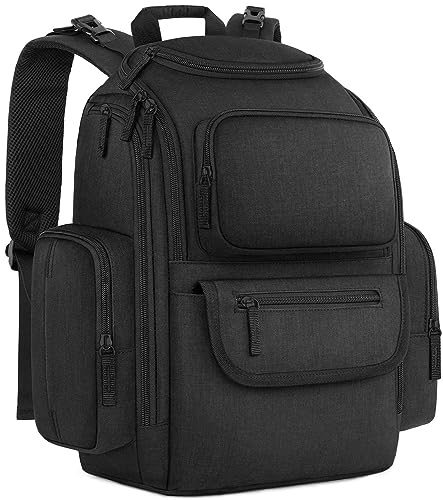
Diaper Backpack with Insulated Pocket: The Complete Buying Guide
Keep bottles at the right temperature, stay hands-free, and organize every outing with confidence. Here is everything you need to know before choosing your insulated diaper backpack.
Why this guide matters: A diaper backpack with insulated pocket solves one of the most practical parenting challenges — transporting milk, formula, and snacks at safe temperatures while keeping your hands free. This guide breaks down the features that matter, the tiers available on the market, and how to match a bag to your daily routine.
What Is a Diaper Backpack with Insulated Pocket?
A diaper backpack with insulated pocket is a hands-free baby bag that combines the carrying comfort of a backpack with a thermal-lined compartment designed to hold baby bottles, expressed breast milk, or snacks at a stable temperature. Unlike a standard diaper backpack, the insulated version adds a dedicated thermal zone that protects contents from ambient heat or cold during commutes, errands, and travel.
The insulated pocket is typically lined with foil-backed padding or closed-cell foam and sealed with a zipper. Some models include a removable freezer pack, while others rely on the insulation layer alone. For families who pump and bottle-feed, this feature is often the deciding factor between one bag and another. If you regularly transport breast milk, you may also want to review breast milk storage options to pair with your bag.
Key Features That Define a Great Insulated Diaper Backpack
Thermal-Lined Pocket
The core feature. Look for foil-backed insulation, a sealed zipper, and enough depth to hold two standard bottles upright. Premium models use thicker closed-cell foam that holds temperature longer.
Hands-Free Backpack Straps
Padded, adjustable shoulder straps distribute weight evenly. A sternum strap adds stability during long walks. This is the defining advantage over a tote-style diaper bag with changing pad.
Changing Station Access
Many backpacks include a fold-out pad or a dedicated rear compartment. If a built-in station matters to you, compare models with a diaper backpack with changing station.
Cooler Compartment Option
Some bags add a larger cooler zone for snacks and drinks beyond bottles. See how this differs from a diaper backpack with cooler compartment.
Water-Resistant Exterior
A water-resistant shell protects contents from spills and light rain. Pair with a water-resistant changing pad for full coverage on the go.
Organization Pockets
Multiple compartments for diapers, wipes, clothing, and personal items keep the bag functional. Look for a designated wipes slot and a dirty-clothes pocket.
Market Tiers: How Insulated Diaper Backpacks Compare
Insulated diaper backpacks fall into three broad tiers. Use this table to align a bag with your daily needs and durability expectations. Descriptors reflect relative market positioning rather than absolute figures.
| Tier | Best For | Typical Characteristics |
|---|---|---|
| Entry-Level | Occasional outings, short errands | Single-layer insulation, basic shoulder padding, fewer organizational pockets, lighter fabric shell. |
| Mid-Range | Daily commutes, working parents | Thicker thermal lining, reinforced stitching, multiple compartments, water-resistant exterior, sternum strap. |
| Premium | Frequent travel, pumping parents | High-grade insulation with extended hold time, premium materials, ergonomic back panel, removable cooler insert, laptop sleeve. |
Entry-level models typically offer adequate insulation for a two-hour outing, while mid-range and premium tiers extend hold time and add ergonomic features. A premium bag is a long-term investment for families who travel often or pump regularly.
How to Choose the Right Insulated Diaper Backpack
Selecting a bag comes down to matching capacity, insulation quality, and carrying comfort to your routine. Use the checklist below as a practical filter.
- Insulation depth: Confirm the pocket fits two standard bottles upright and holds temperature for at least two hours.
- Capacity: A day bag typically holds 8–12 diapers plus wipes, a change of clothes, and bottles. Travel bags need more room.
- Strap comfort: Padded, adjustable straps with a sternum strap reduce shoulder strain on long walks.
- Access layout: A wide main opening and a front-access wipes slot speed up changes during outings.
- Cleaning: Removable, wipeable liners make spill cleanup easier. Check whether the insulated pocket is wipeable inside.
- Compatibility: If you pump, confirm the bag fits your pump and consider a hands-free pumping bra for on-the-go sessions.
- Durability: Reinforced stitching at strap anchors and a water-resistant shell extend usable life.
Insulated Pocket vs. Cooler Compartment: What's the Difference?
An insulated pocket is a smaller, bottle-focused thermal zone designed to hold one or two bottles at a stable temperature. A cooler compartment is larger and intended for snacks, drinks, and sometimes expressed milk over longer trips. Many parents start with an insulated pocket and later add a bag with a cooler compartment for day trips. If you are deciding between formats, weigh how often you transport milk versus how often you carry snacks for older siblings.
For parents who bottle-feed formula, an insulated pocket also keeps prepared bottles at a safe temperature during commutes. Pair it with a portable bottle warmer for longer outings where warming is needed.
Care and Maintenance Tips
Proper care extends the life of the insulation and the bag itself. Wipe the thermal lining with a damp cloth after each use, and allow it to air dry fully before closing the zipper. Avoid machine washing bags with foil-backed insulation, as agitation can break down the thermal layer. For exterior stains, use a mild soap solution and a soft brush. Store the bag open in a dry place to prevent odor buildup.
If you use the bag for breast milk, follow safe storage guidance and pair the insulated pocket with a freezer pack for trips longer than two hours. Related reading on supplementing breast milk with formula can help you plan bottle quantities for outings.
Who Should Buy an Insulated Diaper Backpack?
This bag suits parents who bottle-feed, pump, or travel regularly with a baby. It is especially useful for working parents who commute with expressed milk and for families who spend long stretches away from home. Parents who primarily breastfeed on demand may find a standard diaper backpack sufficient, while those who need a changing surface may prefer a backpack with a changing station.
Related Guides on CradleCheck
Frequently Asked Questions
What is a diaper backpack with insulated pocket?
A diaper backpack with insulated pocket is a hands-free baby bag featuring a dedicated thermal-lined compartment that maintains the temperature of baby bottles, breast milk, or snacks during outings.
How long does an insulated pocket keep bottles warm?
Most mid-range and premium insulated pockets maintain bottle temperature for two to four hours when pre-chilled or pre-warmed, depending on ambient conditions and insulation quality.
Can I use a diaper backpack with insulated pocket for breast milk?
Yes, the insulated pocket is ideal for transporting expressed breast milk. Pair it with a freezer pack to keep milk within safe temperature ranges during longer trips.
Is an insulated pocket the same as a cooler compartment?
No. An insulated pocket is a smaller, bottle-focused thermal zone, while a cooler compartment is a larger zone designed for snacks and drinks over longer trips.
Can I wash a diaper backpack with insulated pocket in a machine?
Most manufacturers recommend spot cleaning. Machine washing can damage foil-backed insulation. Always check the care label before cleaning.
Ready to Compare Insulated Diaper Backpacks?
Explore the recommended picks below to compare features, insulation quality, and organization across market tiers. Each option is selected to match different parenting routines.