
Eczema Baby Products: Your Complete Guide to Soothing Sensitive Skin
When your little one's skin is red, itchy, and irritated, finding the right products feels overwhelming. This guide walks you through the essentials—from gentle cleansers and moisturizers to protective clothing and bedding—so you can build a calming, effective routine for your baby's eczema-prone skin.
Why this guide matters: Baby eczema (atopic dermatitis) affects roughly one in five infants. The right products won't cure eczema, but they can dramatically reduce flare-ups, restore the skin barrier, and keep your baby comfortable. Every recommendation below focuses on fragrance-free, hypoallergenic, and dermatologist-tested options.
Understanding Baby Eczema Before You Shop
Eczema is a chronic inflammatory skin condition that weakens the skin's natural barrier. This allows moisture to escape and irritants to enter, triggering redness, dryness, and intense itching. In infants, eczema most commonly appears on the cheeks, scalp, and extensor surfaces of the arms and legs. Before purchasing any product, keep these principles in mind:
- Fragrance-free is non-negotiable. Fragrances are among the most common triggers for contact dermatitis in babies.
- Fewer ingredients is better. Products with short ingredient lists reduce the chance of sensitization.
- Thicker textures work harder. Ointments and thick creams outperform lotions for barrier repair.
- Patch test first. Apply a small amount to the inner forearm and wait 24–48 hours before full-body use.
- Consistency beats intensity. Moisturizing twice daily—even when skin looks clear—is more effective than reactive treatment during flares.
If your baby's eczema is severe, weeping, or infected, consult your pediatrician before relying on over-the-counter products alone. For mild-to-moderate cases, the right routine can make a remarkable difference.
Essential Eczema Baby Products by Category
1. Gentle Cleansers and Baby Wash
Traditional bubble baths and scented washes strip the skin of its natural oils. Look for syndet (synthetic detergent) bars or creamy, soap-free washes with a pH close to 5.5. Products labeled "for sensitive skin" or "eczema-friendly" are formulated without sulfates like SLS and SLES. A lukewarm bath lasting 5–10 minutes followed by immediate moisturizing is the gold standard for eczema care. Consider a organic baby clothes set that won't irritate skin after bath time.
2. Moisturizers and Barrier Creams
Moisturizing is the cornerstone of eczema management. Ointments (like petroleum jelly-based products) have the highest oil content and are best for very dry, cracked skin. Thick creams are a close second and are more cosmetically elegant. Lotions are the least occlusive and often insufficient for eczema. Look for ingredients like ceramides, colloidal oatmeal, shea butter, and glycerin. Apply within three minutes of bathing to lock in moisture.
3. Eczema-Friendly Diapers and Wipes
Diaper area eczema is common, especially when wetness and friction combine. Choose diapers with breathable backsheets and no added fragrances or lotions. For wipes, opt for water-based, alcohol-free options, or use soft cotton cloths with plain water. A water-resistant changing pad can help keep the changing area dry and hygienic. If diaper rash overlaps with eczema, a doctor-recommended diaper rash cream with zinc oxide provides a protective barrier.
4. Protective Clothing and Sleepwear
Rough seams, tags, and synthetic fabrics can scratch and irritate eczema-prone skin. Choose 100% cotton or bamboo clothing with flat-lock seams and tagless labels. Avoid wool and polyester blends. For sleep, consider breathable cotton sleep sacks that prevent scratching without overheating. A convertible crib and changing table setup can streamline nighttime changes and reduce disturbance to irritated skin.
5. Bedding and Crib Mattress Protection
Babies spend up to 16 hours a day in their crib, so bedding matters. Use breathable cotton sheets and avoid synthetic mattress covers. A crib mattress protector with a waterproof yet breathable backing keeps the mattress clean without trapping heat. If you are still assembling the nursery, a pediatrician-recommended crib mattress with a firm surface and breathable core supports both safety and skin comfort.
6. Humidifiers and Air Quality
Dry air worsens eczema. A cool-mist humidifier in the nursery can help maintain 40–50% humidity, reducing skin dehydration. Clean the humidifier regularly to prevent mold growth, which can trigger both skin and respiratory irritation. Pair this with gentle, fragrance-free laundry detergent for all bedding and clothing.
7. Bath Time Essentials
Keep bath water lukewarm (not hot) and limit soak time. Use a soft cotton washcloth instead of loofahs or sponges. After bathing, pat—don't rub—skin dry and apply moisturizer immediately. For babies with very sensitive skin, a organic baby food diet may also support overall skin health once solids are introduced.
Product Tier Guide for Eczema Baby Products
To help you navigate the market, we've classified eczema baby products into three quality tiers based on formulation, ingredient transparency, and clinical support. This classification is consistent across our recommendations:
| Tier | Characteristics | Best For |
|---|---|---|
| Essential Tier | Fragrance-free, hypoallergenic, short ingredient lists, widely available, clinically tested for sensitive skin | Daily maintenance and mild eczema |
| Balanced Tier | Added ceramides, colloidal oatmeal, or proprietary barrier technology; dermatologist-tested; good value for its tier | Moderate eczema and flare prevention |
| Top-Tier | Pharmaceutical-grade formulations, rigorous clinical trials, specialized delivery systems (e.g., wet-wrap compatible), premium materials | Severe or persistent eczema under pediatric guidance |
Most families find a balanced-tier routine sufficient. Entry-level products work well for prevention, while top-tier options are best reserved for stubborn cases where budget allows and a pediatrician agrees.
Building a Daily Eczema Care Routine
Products only work when used consistently. Here's a simple daily framework:
- Morning: Gentle wipe-down with a soft damp cloth, then apply a thick moisturizer to all dry areas.
- Midday: Reapply moisturizer to hands, cheeks, and any exposed skin—especially after meals or outdoor play.
- Bath time: Lukewarm water, 5–10 minutes, fragrance-free wash only on soiled areas. Pat dry and moisturize within three minutes.
- Bedtime: Apply a generous layer of ointment or barrier cream, dress in soft cotton sleepwear, and keep the room humidified.
- Weekly: Wash all bedding and clothing in fragrance-free detergent. Inspect skin for new flares.
Keep a simple journal of products and flare-ups. This helps you identify triggers and track what works. Remember that eczema is episodic—what works during a calm period may need reinforcement during a flare.
What to Avoid When Shopping for Eczema Baby Products
Steer clear of products containing:
- Fragrances (including "natural" essential oils like lavender or citrus)
- Alcohol (dries and stings)
- Sulfates (SLS, SLES)
- Parabens and phthalates
- Lanolin (can be allergenic for some babies)
- Antibacterial soaps (disrupt skin microbiome)
Also avoid over-bathing, hot water, and rough fabrics. When in doubt, choose the product with the shortest ingredient list—it's often the gentlest.
When to See a Pediatrician
Over-the-counter products are appropriate for mild eczema. Seek medical advice if your baby's skin is cracked, weeping, crusted, or shows signs of infection (redness spreading, warmth, pus). Persistent itching that disrupts sleep also warrants a professional evaluation. Prescription treatments, including topical corticosteroids, are sometimes necessary and should always be supervised by a doctor.
For related concerns, our guide on cow's milk protein intolerance formula may be helpful if you suspect food allergies are contributing to skin issues. Always discuss dietary changes with your pediatrician first.
Frequently Asked Questions
Can eczema baby products completely cure my baby's eczema?
No product can cure eczema, which is a chronic condition. However, the right products can manage symptoms, repair the skin barrier, and significantly reduce the frequency and severity of flare-ups. Consistent use is key.
How often should I apply moisturizer to my baby's eczema?
At least twice daily, and more often during flare-ups. The best times are immediately after bath time and before bedtime. Thick ointments or creams are more effective than lotions.
Are natural or organic products always better for eczema?
Not necessarily. "Natural" ingredients like essential oils and plant extracts can be allergenic. Look for products explicitly labeled fragrance-free, hypoallergenic, and dermatologist-tested. Organic certification doesn't guarantee eczema safety.
Can I use adult eczema products on my baby?
Generally no. Adult products may contain ingredients too harsh for infant skin. Always choose products formulated specifically for babies or those approved by a pediatrician.
What should I do if a product causes a reaction?
Discontinue use immediately and wash the area with plain water. If irritation persists beyond 48 hours or worsens, contact your pediatrician. Keep a record of the product to avoid future exposure.
Top Eczema Baby Products for Sensitive Skin
⚠️ AFFILIATE DISCLOSURE: This website contains affiliate links. As an Amazon Associate, we earn from qualifying purchases. If you make a purchase through these links, we may receive a small commission at no additional cost to you. Read our full affiliate policy.

Happy Baby, Organic Stage 1 A2, 0-12 Months, Infant Formula, 22.9oz(1 Pack) | USDA Organic Baby Formula with A2 Milk Protein for Easy Digestion, Probiotics & Prebiotics for Immune Support, Non-GMO
Check price on Amazon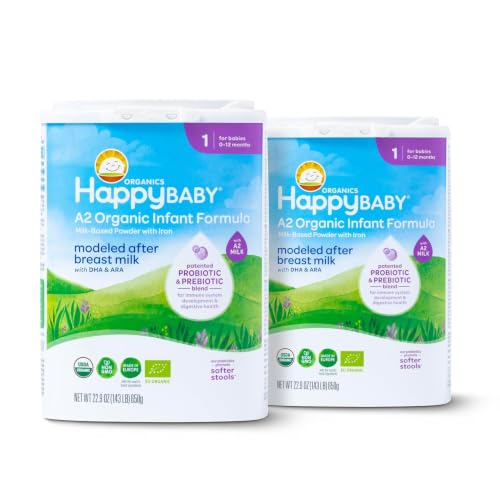
HAPPY BABY Stage 1 A2, 0-12 Months, Organic Infant Formula, 22.9oz (2 Pack) | USDA Organic Baby Formula with A2 Milk Protein for Easy Digestion, Probiotics & Prebiotics for Immune Support, Non-GMO
Check price on Amazon
Exederm Baby Lotion, Hydrating for Eczema & Dermatitis Prone Skin, 8 Fl Oz, Ultra Sensitive Non-Irritating Baby Eczema Lotion, Soothing, Lightweight and Easy to Spread, Color, Fragrance & Paraben Free
Check price on Amazon
A-DERMA Exomega Control Anti-Itch - Emollient Lotion - Tube 200 ml | Body and Face - Soothes Itch, Nourishes - Dry Skin with Atopic Tendence - Babies, Children and Adults
Check price on Amazon
Mill Creek Baby Calendula Cream with Witch Hazel - 4 fl. oz./120 ml
Check price on Amazon
Eczema Kids - Natural Eczema Solutions, Eczema Diet, Eczema Causes, Eczema Creams, Eczema Symptoms, Eczema Itching, Atopic Dermatitis, Eczema Flare-Ups, Best Eczema Products, Eczema Support
Check price on AmazonDisclaimer
Baby product selection and parenting decisions involve personal preferences and individual circumstances. The information provided on CradleCheck is for educational and informational purposes only. We are not medical professionals, and our content should not replace professional medical advice, diagnosis, or treatment. Always consult with your pediatrician or healthcare provider regarding your baby's health and safety. Some content may use AI assistance. Always check product safety standards and recalls before purchasing. If you do not agree, please do not use this website. Read the full disclaimer.