Infant Teething Toys Guide
Relieve your baby’s discomfort with safe, effective teethers. Our expert guide covers materials, top picks, and soothing tips.
SHOP TOP-RATED TEETHERSCradleCheck Philosophy: Teething is a milestone that can be stressful for both baby and parents. Our guide helps you choose the best, safest teething toys so your little one gets relief, and you get peace of mind.
Understanding Teething & Why the Right Toy Matters
Teething usually begins around 4 to 7 months, though some babies start earlier or later. The pressure of erupting teeth can cause swollen gums, irritability, drooling, and disrupted sleep. A high-quality infant teething toy provides counter-pressure that soothes sore gums, offers a safe outlet for chewing, and can even reduce the need for pain medication.
When choosing a teething toy, safety is paramount. Look for toys made from non-toxic, BPA-free, phthalate-free materials. Avoid small parts that could detach, and always follow age recommendations. Our guide covers the best materials, designs, and features to look for so you can shop with confidence.
Many parents also find that combining teething toys with other soothing techniques, like a chilled washcloth or gentle gum massage, provides extra relief. For more tips on baby comfort, see our newborn sensory toys guide.
Types of Teething Toys: Which One is Right for Your Baby?
The market is full of options, but not all teethers are created equal. Here’s a breakdown of the most popular types to help you decide:
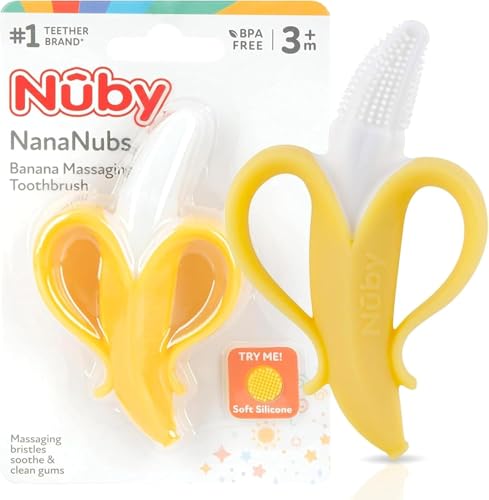
- Silicone Teethers: Soft, flexible, and easy to clean. Silicone is hypoallergenic and doesn’t harbor bacteria. Many silicone teethers have textured surfaces to massage gums.
- Wooden Teethers: Made from natural, untreated wood (like maple or beech). They are durable and eco-friendly. Ensure they are sealed with food-grade oil or wax.
- Water-filled Teethers: These can be chilled in the refrigerator (not the freezer, as freezing can make them too hard and damage gums). The cold provides numbing relief.
- Teething Mitts: A mitten-like toy that fits over the baby’s hand, allowing them to chew on the textured silicone nubs. Great for babies who haven’t mastered grasping yet.
- Multi-texture Teethers: Combine different textures and materials to provide varied sensory input.
For parents who prefer natural options, organic baby clothes and wooden teethers often go hand-in-hand with a natural lifestyle. Always check that wooden teethers are smoothly sanded and free from splinters.
Teething Toy Safety Checklist
Before buying, run through this safety checklist to ensure your baby’s teething toy is safe:
- Material Safety: BPA-free, PVC-free, phthalate-free, and lead-free.
- Choking Hazard: No small parts that can break off. Should be large enough not to fit entirely in baby’s mouth.
- Easy to Clean: Dishwasher-safe or washable with soap and water. Avoid teethers with crevices that trap moisture.
- Age Recommendation: Always follow the manufacturer’s age guidance.
- No Liquid-Filled (unless specified): If liquid-filled, ensure it’s sealed and not meant to be frozen (can leak or become too hard).
For additional baby safety products, check our baby gate for stairs and baby proofing tools guides.
Key Features of a Great Teething Toy
Not all teethers are equally effective. Here are the features that make a teething toy stand out:
- Textured Surfaces: Bumps, ridges, and nubs massage gums more effectively than smooth surfaces.
- Easy-Grip Design: Teethers with handles or rings are easier for small hands to hold.
- Versatile Cooling: Some teethers can be chilled for extra relief (check manufacturer instructions).
- Multi-Sensory: Some include rattles or crinkly parts to engage hearing and touch.
- Portable: Lightweight and easy to take on the go.
If your baby is also starting to explore solid foods, our organic baby formula guide may be helpful as you transition.
Combining Teethers with Natural Soothing
Teething toys work best when paired with other soothing techniques. Try chilling a clean, damp washcloth for baby to chew on, or use a clean finger to gently massage their gums. Some parents find that amber teething necklaces provide relief (though we advise caution and always supervise). Always consult your pediatrician before using any topical gels or medications.
Maintaining your baby’s overall comfort also includes using gentle skincare products. Our diaper rash treatment guide can help with other common baby discomforts.
When to Replace Your Baby’s Teething Toy
Teething toys don’t last forever. Replace them if you notice signs of wear: cracks, tears, or sticky residues that can’t be cleaned. If a silicone teether becomes sticky or cloudy, it’s time for a new one. Wooden teethers should be replaced if they develop splinters or cracks. Always follow the manufacturer’s instructions on lifespan.
For more on baby care and safety, see our diaper rash ointment and baby monitors guides.
Final Thoughts: Choosing the Best Teething Toy
Teething is a challenging but temporary phase. The right infant teething toy can make a world of difference for both you and your baby. Prioritize safety, choose toys that match your baby’s developmental stage, and don’t hesitate to try a few different styles to see what your baby prefers.
Remember, every baby is unique. What works for one may not work for another. Our top-rated teething toy recommendations below are based on safety, effectiveness, and parent reviews. You can trust these picks to provide the relief your baby needs.
Expert Tip: Rotate between two or three different teething toys to keep your baby engaged and give each toy time to be cleaned and dried properly.