Diaper Rash Treatment: Complete Guide for Soothing Baby Skin
Learn how to treat, prevent, and manage diaper rash with our comprehensive guide. Discover effective remedies, best products, and expert tips for your baby's comfort.
START SOOTHINGQuick Guide: Diaper rash (diaper dermatitis) is a common skin condition affecting nearly all babies at some point. The good news is that most diaper rashes are easily treatable at home with the right approach, products, and prevention strategies.
What Is Diaper Rash?
Diaper rash is a form of irritant contact dermatitis that appears as red, inflamed skin in the diaper area. It occurs when the skin is exposed to prolonged moisture, friction, and irritants found in urine and feces. While diaper rash can be uncomfortable for your baby, it's usually harmless and responds well to proper care.
Most babies will experience at least one episode of diaper rash during their first year. Understanding the causes, recognizing the symptoms early, and knowing the right diaper rash ointment and treatment options can help you provide immediate relief and prevent future occurrences.
Common Causes of Diaper Rash
🕒 Prolonged Wetness
Leaving a wet or soiled diaper on for too long allows moisture to break down the skin's protective barrier, leading to irritation and inflammation.
🧴 Irritation from Products
New brands of hypoallergenic diapers, baby wipes, or soaps can trigger skin reactions. Some babies are sensitive to fragrances, alcohol, or chemicals in diapering products.
🦠 Fungal or Bacterial Infections
A diaper rash that doesn't improve within 3 days may be a yeast infection (Candida). This appears as bright red rash with satellite bumps and requires specific antifungal treatment.
🥗 Dietary Factors
Changes in baby's diet, introduction of new foods, or maternal diet (if breastfeeding) can affect the acidity of stool, increasing the risk of diaper rash.
💊 Medications
Antibiotics can cause diarrhea and increase the risk of diaper rash by altering the natural balance of bacteria in the digestive tract.
🌡️ Friction & Tight Diapers
Rubbing from tight diapers or clothing can abrade the skin, making it more vulnerable to irritation from urine and feces.
Symptoms & Severity Levels
Recognizing the Signs
- Mild: Pink or red patches of skin, slight warmth, minimal discomfort
- Moderate: Bright red skin, bumps, peeling, noticeable discomfort during diaper changes
- Severe: Open sores, bleeding, blistering, extensive redness, severe pain or fussiness
- Yeast Infection: Bright red rash with satellite pustules, often in skin folds
- Bacterial Infection: Yellow crusting, oozing, or pus-filled bumps
Effective Diaper Rash Treatment Options
1. Barrier Creams & Ointments
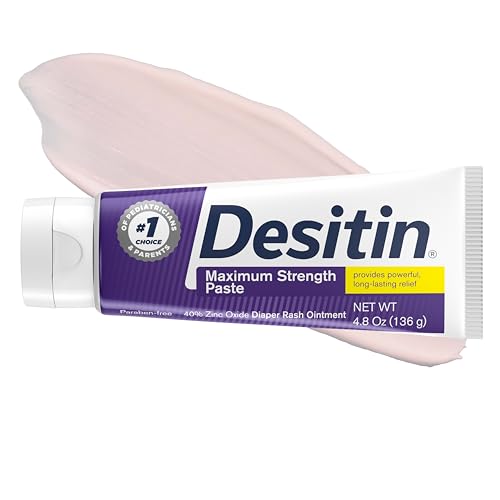
Barrier creams create a protective layer between your baby's skin and irritants. The most effective products contain zinc oxide or petroleum jelly. A cream with zinc oxide is particularly effective because zinc oxide forms a physical barrier and has mild astringent and antibacterial properties.
When applying, use a thick layer—think "icing a cake"—to provide maximum protection. Brands like Desitin, Boudreaux's Butt Paste, and Triple Paste are popular choices with varying zinc oxide concentrations.
2. Natural Remedies
Several natural ingredients can help soothe and heal diaper rash. Coconut oil has antimicrobial properties, while calendula and chamomile offer anti-inflammatory benefits. Organic baby formula and organic skincare products are less likely to contain harsh chemicals that could irritate sensitive skin.
However, always consult your pediatrician before using natural remedies, especially if the rash is severe or doesn't improve within 24–48 hours of home treatment.
3. Antifungal Treatments
If the rash is caused by a yeast infection (Candida), standard barrier creams won't be effective. You'll need an antifungal cream containing clotrimazole, miconazole, or nystatin. These are available over-the-counter or by prescription. Always use antifungal treatments exactly as directed, and continue for the full course even if symptoms improve.
4. Hydrocortisone Cream
For severe inflammation, a low-potency over-the-counter hydrocortisone cream (0.5%–1%) can help reduce redness and itching. However, use this only under medical supervision, as prolonged use can thin the skin. Hydrocortisone should never be used on suspected fungal infections without combining with an antifungal.
5. Prescription Medications
For severe or persistent diaper rash, your pediatrician may prescribe stronger medications including combination creams (antifungal + steroid), antibacterial ointments, or oral medications for resistant cases.
Diaper Rash Treatment Options Comparison
| Treatment Type | Best For | Active Ingredients | Price Range |
|---|---|---|---|
| Barrier Cream | Mild to moderate irritation | Zinc oxide (10–40%), petroleum | $8–$15 per tube |
| Antifungal Cream | Yeast infection (Candida) | Clotrimazole, miconazole | $12–$20 per tube |
| Hydrocortisone | Severe inflammation & itching | Hydrocortisone (0.5%–1%) | $10–$15 per tube |
| Natural Remedy | Sensitive skin, prevention | Coconut oil, calendula, chamomile | $12–$25 per jar |
| Prescription (Combination) | Resistant or severe cases | Antifungal + steroid, antibiotic | $30–$60+ (with insurance) |
Step-by-Step Treatment Plan
Follow These Steps for Best Results
- Step 1: Wash your hands thoroughly before and after diaper changes
- Step 2: Remove the dirty diaper and clean the area gently with warm water using a soft cloth or rinse bottle
- Step 3: Pat the skin dry with a clean towel (don't rub) – air drying is best
- Step 4: Apply a generous layer of barrier cream (thick enough to see white coating)
- Step 5: Put on a fresh, clean diaper – choose breathable, hypoallergenic options
- Step 6: Change diapers frequently (every 1–2 hours during the day)
- Step 7: Allow diaper-free time to let skin breathe and heal
- Step 8: Monitor the rash – if no improvement in 48–72 hours, consult your pediatrician
Prevention Strategies
Prevention is the best approach to diaper rash. Regular diaper changes, proper cleaning techniques, and using high-quality products can significantly reduce the risk of diaper dermatitis.
✅ Do's
- • Change diapers frequently
- • Use gentle, fragrance-free wipes or warm water
- • Apply barrier cream with every change
- • Allow diaper-free time daily
- • Use breathable, well-fitting diapers
❌ Don'ts
- • Over-tighten diapers
- • Use baby powder with talc (potential lung irritation)
- • Rub skin vigorously when drying
- • Delay diaper changes to save money
- • Use harsh soaps or alcohol-based wipes
When to Consult a Pediatrician
- Rash doesn't improve after 3 days of home treatment
- Rash appears bright red and has bumps beyond the diaper area (likely yeast infection)
- Open sores, blisters, or bleeding develops
- Fever of 100.4°F (38°C) or higher
- Baby seems in significant pain or is extremely fussy
- Signs of infection: swelling, warmth, pus, or honey-colored crusting
- Rash is accompanied by diarrhea or vomiting
- Baby is not feeding well or showing signs of dehydration
Frequently Asked Questions
How long does it take for diaper rash to heal?
Most mild to moderate diaper rashes improve within 2–3 days with proper treatment. Severe rashes may take 5–7 days, especially if there's a yeast infection. If the rash doesn't show improvement within 3 days, consult your pediatrician.
Can I use diaper rash cream and antifungal cream together?
Yes, in some cases your pediatrician may recommend using a barrier cream and an antifungal together. Apply the antifungal first, allow it to absorb, then apply the barrier cream on top. Always follow your doctor's specific instructions for combination therapy.
Is petroleum jelly effective for diaper rash?
Petroleum jelly creates a protective barrier and can help prevent diaper rash, but it's less effective than zinc oxide-based creams for treating existing rashes because it doesn't have the soothing and astringent properties of zinc oxide. It's best for prevention rather than treatment.
Does cloth diapers vs disposable diapers affect rash risk?
Both cloth and disposable diapers can cause diaper rash. The key factor is how often you change the diaper, not the type. However, some babies may be sensitive to the materials in disposable diapers or the laundry detergents used for cloth diapers. If you use cloth diapers, ensure proper washing with mild, fragrance-free detergent and consider using disposable diapers occasionally if rash persists.
Can breastfeeding affect diaper rash?
Yes, what a breastfeeding mother eats can affect baby's digestive system and stool composition. Highly acidic foods (citrus, tomatoes, spicy foods) may increase the risk of diaper rash in some babies. If you notice a pattern between certain foods and diaper rash, consider eliminating them from your diet temporarily to see if it helps.
Key Takeaways
- ✓ Diaper rash is common and usually responds well to home treatment
- ✓ Use a thick layer of zinc oxide cream to protect and soothe irritated skin
- ✓ Frequent diaper changes and diaper-free time are key to healing
- ✓ Yeast infections need antifungal treatment—barrier creams won't work
- ✓ See a doctor if the rash doesn't improve within 2–3 days or shows signs of infection
- ✓ Prevention through proper diapering, gentle cleaning, and suitable products is the best strategy
- ✓ Choosing the right hypoallergenic diapers and diaper rash ointment can make a significant difference