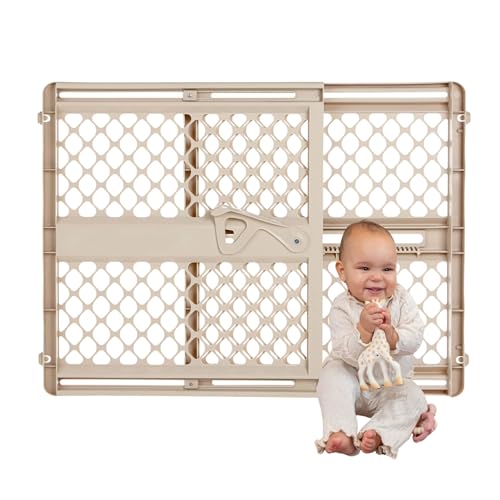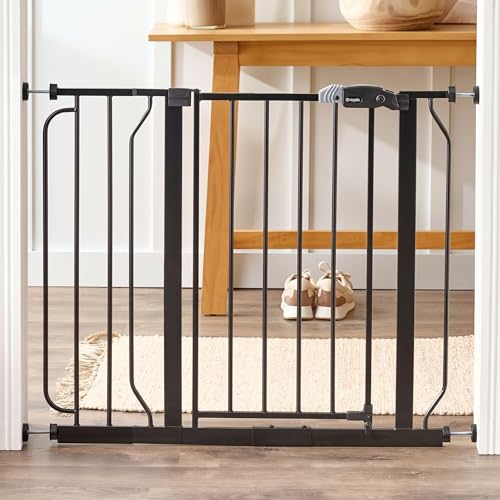
Choosing the Best Baby Gate for Stairs
Ensure your little one's safety with the right stair gate. From pressure-mounted to hardware-mounted, we break down everything you need to know to make a confident choice.
Explore Gate TypesWhy a stair gate is essential: Stairs are one of the most common areas for childhood falls. A properly installed baby gate provides a reliable barrier, giving you peace of mind as your baby becomes mobile. This guide covers safety standards, gate types, installation, and top-rated products to help you find the perfect fit for your home.
Safety Standards & Regulations
When selecting a baby gate for stairs, safety should always be the top priority. In the US, baby gates are regulated by the Consumer Product Safety Commission (CPSC) and should meet ASTM F1004-21 standards. Key safety features to look for include:
- Certification: Look for gates that are JPMA (Juvenile Products Manufacturers Association) certified.
- Height: The gate should be at least 22 inches tall (preferably 26–30 inches) to prevent climbing.
- Slats: Vertical slats should be spaced no more than 2.5 inches apart to prevent head entrapment.
- Latch: A dual-action latch (lift and turn) is recommended to prevent children from opening it, but easy for adults to operate.
- No sharp edges: All edges should be smooth and rounded to prevent injuries.
Always check the manufacturer's instructions and ensure the gate is appropriate for the top or bottom of stairs. Proper installation is just as critical as the gate itself. For more safety essentials, explore our guide on baby proofing tools.
Types of Baby Gates for Stairs
Hardware-Mounted Gates
$60 – $200
Permanently installed with screws into the wall or banister. Ideal for top of stairs, providing maximum security and stability.
Best for: Top of stairs, high-traffic areas, or when a permanent barrier is preferred.
Pressure-Mounted Gates
$30 – $100
Uses pressure to hold the gate between walls or doorframes. Easy to install and remove, but not recommended for top of stairs due to trip hazard.
Best for: Bottom of stairs, doorways, or temporary use.
Retractable Gates
$70 – $250
Rolls up when not in use, making them a great space-saving solution. Usually hardware-mounted for safety.
Best for: Areas where you want a less obtrusive gate, such as hallways or between rooms.
Extra-Tall & Wide Gates
$100 – $350
Designed for larger openings or taller babies/toddlers. Often come with additional extensions and are hardware-mounted.
Best for: Wider stairways, open floor plans, or parents with tall toddlers.
Pros and Cons of Stair Gates
✅ Benefits
- Prevents accidental falls down stairs
- Gives parents peace of mind
- Helps contain baby in a safe area
- Various styles to match home decor
- Durable and long-lasting
❌ Drawbacks
- Improper installation can create hazards
- Pressure-mounted gates can be dislodged
- Some gates may be difficult to operate
- Can obstruct the view or feel cumbersome
- Need to ensure baby cannot climb over
For a more permanent childproofing solution, you might also consider baby gates for other areas of your home. Always weigh the pros and cons based on your specific stairs and lifestyle.
Installation Guide for Stair Gates
Proper installation is crucial. Here are the general steps for installing a hardware-mounted gate:
- Read the manual: Each gate has specific instructions. Always start there.
- Gather tools: You'll typically need a drill, screwdriver, level, and tape measure.
- Position the gate: Place it at the correct height and mark where the screws will go. Use a level to ensure it's straight.
- Drill pilot holes: If mounting into wood, pre-drill to prevent splitting. For drywall, use anchors.
- Attach the gate: Secure the mounting brackets firmly to the wall or banister.
- Test the gate: Ensure it swings freely and the latch engages securely. Apply pressure to test its stability.
For pressure-mounted gates, the process is simpler: just adjust the pressure knobs until the gate is snug and secure. However, remember they are not recommended for top-of-stairs use. You can find more general baby safety tips in our guide on baby proofing tools.
Comparison of Baby Gate Types
| Feature | Hardware-Mounted | Pressure-Mounted | Retractable |
|---|---|---|---|
| Security | Excellent | Moderate | Good |
| Installation | Permanent (screws) | Temporary (pressure) | Permanent (screws) |
| Suitable for Top of Stairs | ✅ Yes | ❌ No | ✅ Yes |
| Ease of Opening | Easy (one-handed) | Easy | Easy |
| Price Range | $60 – $200 | $30 – $100 | $70 – $250 |
Tips for Choosing the Right Gate
- Measure your opening: Always measure the width of your stairs or doorway before buying.
- Check compatibility: Ensure the gate works with your banister or wall type (e.g., wood, metal, drywall).
- Consider the user: Think about who will be using the gate. A gate that's hard to operate may lead to frustration.
- Look for extras: Some gates come with walk-through doors, auto-close features, or extensions for wider gaps.
- Read reviews: Real-world feedback is invaluable for assessing durability and ease of use.
After selecting the right gate, you might also be interested in other safety essentials like baby monitors or humidifiers to complete your nursery setup.
Final Thoughts
Choosing the right baby gate for your stairs is a vital step in childproofing your home. By understanding the different types, safety standards, and installation requirements, you can make an informed decision that prioritizes your child's safety. Remember, a gate is only as good as its installation—so take your time and follow the manufacturer's instructions carefully.
We hope this guide has helped clarify your options. If you're ready to purchase, the recommended products below are top-rated for their quality and safety features. For more parenting resources, check out our articles on sleep training methods and starting solids.