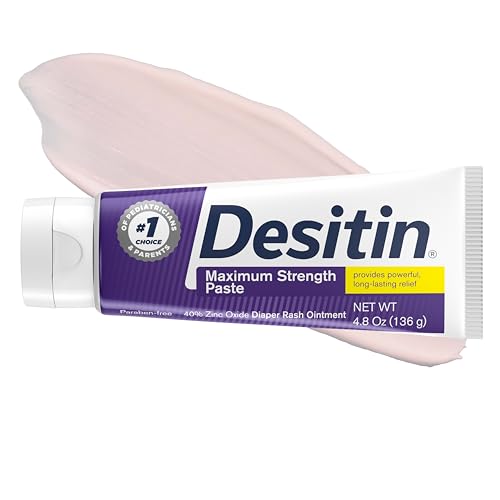
Diaper Rash Ointment: The Complete Guide to Choosing the Best Cream
Discover everything you need to know about diaper rash ointments—from zinc oxide formulas to natural alternatives—and find the perfect treatment to soothe your baby's sensitive skin.
💡 Why This Guide Matters
Diaper rash is one of the most common skin concerns for babies, affecting nearly every infant at some point. The right diaper rash ointment can make all the difference—not just in healing, but in preventing future flare-ups. This guide breaks down the science, ingredients, and best practices so you can choose with confidence.
What Is Diaper Rash Ointment?
Diaper rash ointment is a topical skin care product designed to treat and prevent diaper dermatitis—a common irritation caused by prolonged moisture, friction, and contact with urine and stool. These ointments create a protective barrier on the skin, allowing it to heal while shielding it from further irritation.
The best diaper rash treatments often contain active ingredients like zinc oxide or petrolatum, which are clinically proven to reduce inflammation and promote skin repair. Some formulas also include soothing agents like aloe vera, oatmeal, or vitamin E.
Key Ingredients to Look For
🧪 Zinc Oxide
The gold standard in diaper rash care. Zinc oxide forms a physical barrier that repels moisture while providing mild astringent and antiseptic properties. Look for creams with at least 10–15% zinc oxide for effective treatment.
🧴 Petrolatum / Petroleum Jelly
An occlusive agent that locks in moisture and creates a waterproof seal. It's especially useful for preventing rashes in newborns and can be used with cloth diapers (avoid zinc-based creams on cloth diapers, as they can stain).
🌿 Natural & Plant-Based
Ingredients like calendula, shea butter, coconut oil, and chamomile offer anti-inflammatory and soothing benefits. These are great for babies with sensitive skin or if you prefer a more natural approach.
🧴 Dimethicone
A silicone-based barrier agent that is lighter and less greasy than petrolatum. It provides excellent protection and is often found in combination with zinc oxide for enhanced efficacy.
How to Choose the Right Ointment
Choosing the best diaper rash ointment depends on your baby's skin type, the severity of the rash, and your personal preferences. Here's a simple breakdown to help you decide:
| Type | Best For | Key Features |
|---|---|---|
| Zinc Oxide Paste | Moderate to severe rashes | High barrier protection, anti-inflammatory, fast healing |
| Petrolatum-Based | Prevention & mild rashes | Simple, affordable, safe for all ages |
| Natural / Organic | Sensitive skin, gentle care | Plant-based, free from synthetic fragrances and parabens |
| Combination Formulas | Multi-symptom relief | Zinc + dimethicone + soothing agents for comprehensive care |
How to Apply Diaper Rash Ointment Correctly
Proper application is just as important as choosing the right product. Follow these steps to maximize effectiveness and speed up healing:
-
Clean Gently
Use warm water and a soft cloth or baby wipes to clean the diaper area. Avoid scrubbing—pat dry instead. If using wipes, choose fragrance-free and alcohol-free options.
-
Pat Dry Completely
Moisture trapped under the ointment can worsen the rash. Use a clean, dry towel or let the skin air-dry for a few minutes before applying.
-
Apply a Thick Layer
Squeeze a generous amount (about the size of a large grape) and spread it evenly over the entire rash area. Don't rub it in—the goal is to create a visible barrier.
-
Reapply at Every Change
For best results, reapply with every diaper change, even if the rash looks better. Consistency is key to preventing recurrence.
-
Give Diaper-Free Time
Whenever possible, allow your baby's skin to breathe without a diaper for 10–15 minutes a few times a day. This can significantly speed up healing.
Prevention: Your Best Defense
🛡️ Daily Prevention Strategies
- Change diapers frequently—every 2–3 hours or immediately after bowel movements.
- Use a barrier ointment at every change to protect against moisture and friction.
- Choose the right diaper—look for hypoallergenic diapers or those with a wetness indicator.
- Keep the area clean and dry—pat dry, never rub.
- Consider diet—if your baby is eating solids, certain acidic foods can trigger rashes.
When to Consult a Pediatrician
While most diaper rashes resolve within 2–3 days with proper care, some cases require professional attention. Consult your pediatrician if you notice:
- Severe redness, swelling, or bleeding
- Blisters, pustules, or open sores
- Fever (over 100.4°F / 38°C) accompanying the rash
- Rash that persists despite 3 days of treatment
- Spreading to other areas (belly, back, thighs)
A persistent rash may indicate a newborn yeast infection or bacterial infection, which requires prescription antifungal or antibiotic treatment.
Frequently Asked Questions
Can I use diaper rash ointment on cloth diapers?
It depends on the ingredients. Zinc oxide and petrolatum can stain cloth diapers and reduce absorbency. Use a cloth-safe liner or choose a specially formulated cloth diaper cream without petroleum or zinc.
How much ointment should I use?
Apply a thick, visible layer—like frosting on a cake. A pea-sized amount isn't enough; you want a solid barrier that covers the entire area.
Can I use coconut oil or olive oil instead?
Natural oils like coconut and olive oil have soothing properties, but they don't provide the same level of barrier protection as zinc oxide. They can be used for mild prevention, but for active rashes, a dedicated ointment is more effective.
Is it safe to use diaper rash ointment on newborns?
Yes, most diaper rash ointments are safe for newborns. Choose a gentle formula without fragrances, dyes, or parabens. Consult your pediatrician if you have specific concerns.
Final Thoughts: Ready to Shop?
Choosing the right diaper rash ointment is one of the most important decisions you'll make for your baby's comfort. Whether you opt for a zinc-based paste, a natural cream, or a simple petrolatum jelly, the key is consistency and proper application.
Remember to consult with your pediatrician if you're unsure, and always patch-test new products on a small area of skin. With the right approach, you can keep your baby's skin happy, healthy, and rash-free.
Ready to find the perfect ointment? Browse the recommended products below—each one carefully selected to meet the needs of both baby and parent.