Amber Teething Necklace: Safety, Benefits & Buying Guide
Everything parents need to know about Baltic amber teething necklaces — from how they work to safety precautions and choosing genuine products.
What Is an Amber Teething Necklace?
An amber teething necklace is a piece of jewelry made from Baltic amber, worn by babies to help alleviate teething pain. Unlike traditional pain relievers, amber is believed to release succinic acid when warmed by the skin — a natural compound with mild analgesic and anti-inflammatory properties. These necklaces are not meant to be chewed, but worn against the skin.
While the scientific evidence is limited, many parents report that amber necklaces help soothe fussiness, reduce drooling, and improve sleep during teething. However, it is crucial to understand the safety guidelines, purchase genuine amber, and treat these as a complementary tool — not a medical device.
⚡ Important: Amber teething necklaces are intended for supervised wear only. Never leave a baby unattended while wearing one, and remove it during sleep or naps to eliminate any choking or strangulation risk. Always consult your pediatrician before using any teething aid.
How Does an Amber Teething Necklace Work?
Amber is fossilized tree resin, and Baltic amber contains 3–8% succinic acid. The theory is that when the necklace is worn against the baby's skin, body heat causes the amber to release trace amounts of succinic acid, which is absorbed into the bloodstream. This compound is thought to reduce inflammation, pain, and stress — providing a natural, drug-free approach to teething relief.
It's important to note that amber is not soluble, so the effect is subtle and cumulative. Most parents choose to have their baby wear the necklace for several hours a day to see benefits over time. It is not an instant pain reliever like topical gels or oral medications.
Key takeaway: An amber teething necklace is a holistic, supplementary option — it may help, but it should not replace standard teething remedies recommended by your healthcare provider.
Benefits and Risks of Amber Teething Necklaces
✅ Potential Benefits
- Natural, drug-free pain relief
- May reduce drooling and irritability
- No side effects (when used safely)
- Long-lasting — can be used through the entire teething period
- Often combined with other natural remedies
⚠️ Risks & Considerations
- Choking hazard if the necklace breaks
- Strangulation risk if not supervised
- Not recommended for babies who put everything in their mouth
- No FDA approval or strong scientific evidence
- Fake amber may contain harmful substances
Most pediatric organizations, including the AAP, do not recommend amber necklaces due to safety concerns. However, many parents still choose to use them with extreme caution. If you decide to try one, ensure you follow strict safety guidelines and purchase from a reputable source.
How to Choose a Genuine Baltic Amber Teething Necklace
Not all amber is created equal. Genuine Baltic amber is the most sought-after due to its high succinic acid content. Here's how to avoid fakes and choose a safe, effective necklace:
- Look for "Baltic amber" — it is fossilized pine resin from the Baltic region, known for its therapeutic properties.
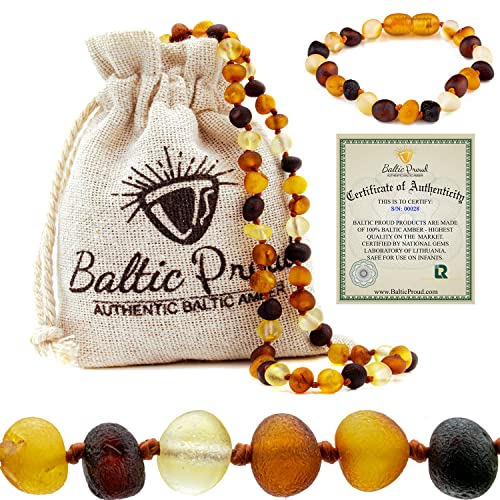
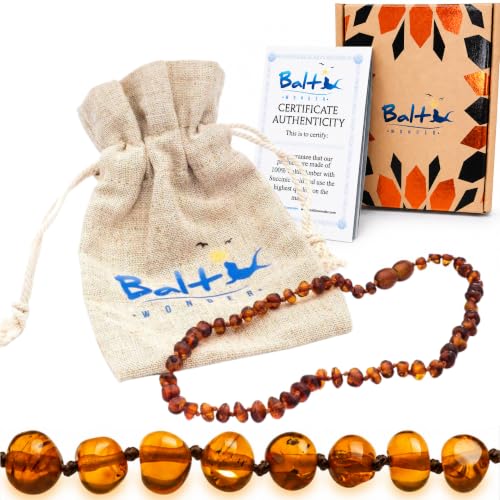
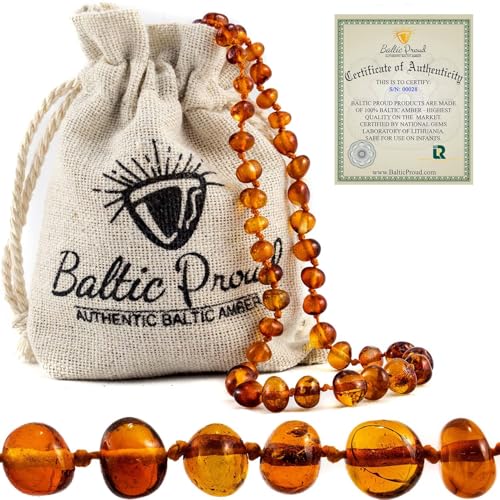
- Check the knotting: Each bead should be individually knotted to prevent scattering if the necklace breaks.
- Bead size: Beads should be small (under 8mm) and round to avoid sharp edges.
- Color and clarity: Real amber has variations in color (yellow, orange, honey, white) and may contain natural inclusions. Plastic imitations are often too uniform.
- Test with a hot needle: (Proceed with caution) Genuine amber will smell like pine resin when heated; plastic will smell like burnt plastic.
- Purchase from a reputable seller with good reviews and transparent sourcing.
💡 Pro tip: A genuine amber necklace typically costs between $20–$45. If it's priced too low, it's likely a fake made of plastic or resin. Invest in quality for safety and efficacy.
Amber Teething Necklace Safety Guidelines
Your baby's safety is the top priority. Follow these essential rules if you choose to use an amber teething necklace:
- Supervise at all times — never leave your baby alone while wearing the necklace.
- Remove during sleep — take it off for naps and nighttime to prevent strangulation.
- Check the clasp regularly — ensure it's secure and not easily pulled open.
- Don't let your baby chew it — amber is brittle and can break into sharp pieces.
- Only use it for short periods — a few hours a day is usually sufficient.
- Discontinue if there's any skin irritation — some babies may be sensitive to amber.
- Never use it as a toy — it's a therapeutic aid, not a plaything.
If you're still unsure, talk to your pediatrician. Many doctors recommend sticking to orthodontic pacifiers, teething toys, or over-the-counter pain relievers for teething discomfort.
Alternatives to Amber Teething Necklaces
If you're not comfortable with the safety risks of amber necklaces, there are plenty of effective, low-risk alternatives for teething relief:
- Silicone or rubber teething toys — chilled (not frozen) to soothe gums.
- Orthodontic pacifiers designed to support healthy oral development.
- Pediatric pain relievers (acetaminophen or ibuprofen) — always dose according to weight.
- Natural remedies like cold washcloths or chamomile tea (soaked into a cloth).
- Breast milk popsicles — freeze expressed milk in a safe feeder.
For a comprehensive guide on baby comfort, check out our articles on swaddling for better sleep and wearable blankets to help your baby rest peacefully during teething.
Frequently Asked Questions About Amber Teething Necklaces
At what age can a baby wear an amber teething necklace?
Most manufacturers recommend from 3 months of age, but many pediatricians advise waiting until at least 6 months when babies have better neck control and less risk of choking. Always supervise.
How long does it take for an amber necklace to work?
Effects are cumulative — some parents notice a difference within a few days, while others see changes after a week or two. It's not an instant cure, so consistency is key.
Can I use an amber necklace while my baby is sleeping?
No — you should always remove the necklace before sleep, naps, or anytime your baby is not directly supervised. This prevents strangulation and choking hazards.
How do I clean an amber teething necklace?
Wipe it with a soft, damp cloth and mild soap. Never submerge in water or use harsh chemicals, as this can damage the amber. Dry it thoroughly before reuse.
Related Baby Care Guides
Explore these trusted resources to support your baby's health and comfort during the teething stage:
🦷 Teething Pain Relief
Safe ways to soothe your baby's sore gums — from natural remedies to pediatric pain relievers.
Read more →🧸 Best Infant Teething Toys
Discover the safest and most effective teething toys that babies love, without the risks of necklaces.
Explore toys →🌙 Newborn Sleep Basics
Set up a peaceful sleep environment with our guides on swaddles, wearable blankets, and sleep training.
Learn more →