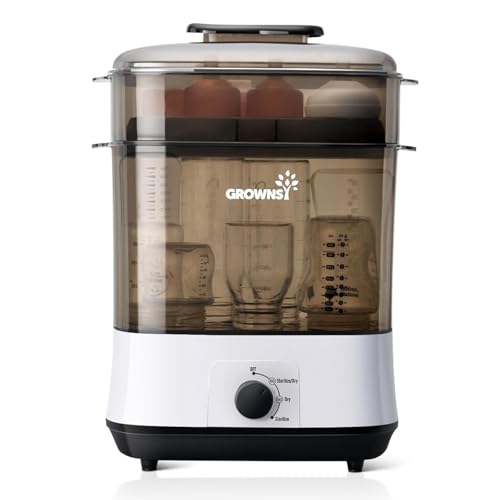
Electric Feeding Bottle Sterilizer: The Complete Buying Guide
Everything you need to know about choosing, using, and maintaining an electric bottle sterilizer for a safer feeding routine.
Feeding a baby involves more than just milk — it requires confidence that every bottle, nipple, and pump part is genuinely clean. An electric feeding bottle sterilizer takes the guesswork out of that process. Instead of boiling water on a stove or relying on chemical solutions, these appliances use high-temperature steam to eliminate bacteria, viruses, and other microorganisms that can thrive in milk residue.
For parents who bottle-feed, combination-feed, or express milk regularly, a dedicated sterilizer becomes one of the most frequently used items in the kitchen. It saves time, reduces the risk of contamination, and creates a consistent routine that makes night feeds and early mornings far more manageable. This guide walks through the key considerations — from how sterilization works to capacity, drying performance, safety features, and long-term maintenance — so you can make an informed decision before purchasing.
How Electric Bottle Sterilizers Work
Most electric feeding bottle sterilizers operate on a straightforward principle: a heating element vaporizes a small amount of water, and the resulting steam circulates through a closed chamber. Because steam penetrates every surface it touches, it reaches areas that hand-washing alone cannot effectively sanitize, including the internal threads of bottle necks and the tiny openings of nipple vents.
Sterilization cycles typically run between six and twelve minutes, depending on the model. Many units then transition into a drying phase, using filtered air to remove residual moisture. This step matters because a wet bottle sitting on a drying rack can collect airborne particles within minutes. Models that combine steam and drying in a single cycle essentially deliver a ready-to-use bottle at the end of the process.
It is worth understanding that sterilization does not replace washing. Bottles and nipples should always be cleaned with soap and water or in a dishwasher before being placed in the sterilizer, because steam cannot penetrate milk fat or protein films. Think of sterilization as the final safety layer, not the first step.
Types of Electric Sterilizers
Electric sterilizers generally fall into two categories, each suited to different household needs and routines.
Steam-Only Sterilizers
These units focus exclusively on the sterilization cycle. They tend to be more compact, lighter, and simpler to operate. After sterilization, bottles must be removed and placed on a separate drying rack or left to air-dry inside the chamber with the lid partially open.
Best for: Parents with limited counter space, those who already own a reliable drying rack, and households where simplicity and portability matter most.
Steam and Dry Sterilizers
These models add a drying phase after sterilization, using a fan and filter to circulate air through the chamber. The result is a fully dry bottle that can go straight into the cupboard or be used immediately.
Best for: Parents who sterilize in batches, families with twins or multiple children, and anyone who wants a one-touch, hands-off process.
Within these two categories, you will also find variations in chamber shape. Some models feature a tall, narrow design optimized for standard bottles and pump parts, while others use a wider, modular layout that accommodates breast pump shields, teethers, and small bowls. If you pump frequently, check that the interior dimensions comfortably fit your pump flange size — a detail that is easy to overlook until the first cycle.
Key Features to Evaluate
Not all sterilizers are built to the same standard. The following features separate a reliable daily workhorse from a unit that frustrates more than it helps.
Capacity and Layout
Capacity is measured in bottles or in liters. A unit that holds six standard bottles is generally sufficient for a single baby fed eight to ten times per day, assuming you run one or two cycles. Families with twins or parents who pump and bottle-feed simultaneously should consider models that hold eight to twelve bottles. Pay attention to the layout — adjustable racks and removable trays make it easier to fit oddly shaped items like wide-neck bottles, storage containers, and pump accessories.
Drying Performance
If you choose a model with drying, look for details about the air filter. A high-efficiency filter keeps dust and particles out of the drying chamber, which matters for the hygiene of the final result. Some premium models use a dual-fan system that dries faster and more evenly, reducing the total cycle time to under thirty minutes.
Safety Features
Automatic shut-off is essential. A sterilizer that runs dry or overheats should cut power on its own. Look for a unit with a visible water-level indicator, a cool-touch exterior, and a lid that locks securely during operation. For households with curious toddlers, a sterilizer that stays cool on the outside and has no exposed heating elements is a meaningful safety advantage.
Ease of Cleaning
Mineral buildup from tap water is the most common cause of sterilizer malfunctions. A removable heating plate that can be descaled easily is a practical design feature. Some models include a descaling indicator or a dedicated descaling mode that simplifies maintenance. Avoid units with complex internal channels that are difficult to access.
Noise and Footprint
Drying cycles generate fan noise, which can matter if your kitchen is close to a sleeping area. Reviews often mention noise levels, so consider this if you plan to run cycles at night. Footprint is equally practical — measure your counter space before buying, especially if you also have a bottle warmer and a breast pump competing for the same area.
Compatibility with Pump Parts
If you express milk, confirm that the sterilizer accommodates your pump brand's flanges and valves. Some manufacturers publish a compatibility list, and many sterilizers are designed to work with parts from the same brand. Universal-fit baskets and adjustable racks offer more flexibility for mixed-brand setups.
Understanding Product Tiers
Electric sterilizers span a wide range of positions in the market. Rather than thinking in terms of specific figures, it helps to categorize models by their tier and the trade-offs each represents. For a broader overview of feeding equipment, the feeding equipment guide provides useful context.
| Tier | Typical Characteristics | Best For |
|---|---|---|
| Entry-level | Steam-only sterilization, basic timer, compact chamber, minimal accessories | Parents who sterilize small batches and already own a drying rack |
| Mid-range | Steam and dry cycles, adjustable racks, filtered drying air, descaling indicator | Most families feeding daily who want a hands-off routine |
| High-end tier | Large capacity, dual-fan drying, presets for bottles and pump parts, quieter operation | Parents pumping frequently, families with twins, or those who sterilize once daily |
| Top-tier | Advanced filtration, rapid cycles, smart features, premium build materials, expanded accessories | Households seeking maximum convenience and long-term durability |
The jump from entry-level to mid-range is usually the most meaningful for everyday usability, because it typically adds drying and a more flexible interior layout. Moving further up the tiers brings gains in speed, capacity, and quiet operation. If you are building out your feeding setup from scratch, it may also help to compare a dedicated sterilizer with a feeding bottle steam sterilizer to see which format fits your routine.
Practical Checklist Before You Buy
Use this checklist to narrow your options quickly. It reflects the questions that matter most once you have a shortlist of models.
- Cycle time: Does a full cycle (including drying, if applicable) fit comfortably into your daily rhythm?
- Chamber dimensions: Will it hold your bottles and pump parts without forcing or stacking awkwardly?
- Water reservoir: Is the fill line easy to see, and does the unit indicate when water is low?
- Drying filter: If the model dries, what kind of filter does it use, and how often must it be replaced?
- Descaling: Is the heating plate removable or easily accessible for cleaning?
- Safety: Does it shut off automatically, and does the exterior remain cool?
- Noise: Are there reviews or specifications describing the noise level during drying?
- Warranty and support: Is the warranty period reasonable, and is customer support reachable in your region?
- Storage footprint: Will it live on the counter, or do you need a model that stores compactly?
- Compatibility: Does it explicitly support the pump parts or bottle brands you already own?
How to Use an Electric Sterilizer Safely
Getting the best results from an electric sterilizer comes down to a few consistent habits. The process is simple, but skipping steps reduces effectiveness.
- Wash first: Clean bottles, nipples, and pump parts with warm soapy water or in a dishwasher before sterilizing. Milk residue can shield bacteria from steam.
- Fill with the right water: Use the amount specified by the manufacturer. Distilled or filtered water reduces mineral buildup, though tap water is acceptable in most areas.
- Load without overcrowding: Arrange items so that steam can circulate freely. Bottles should face downward to allow condensation to drain.
- Run the cycle: Select the appropriate program. Many models offer presets for bottles, pump parts, or a combined cycle.
- Handle with clean hands: Remove items carefully once the cycle ends. If the unit has a drying function, you can leave items inside until needed.
- Cool and store: Allow the chamber to cool before opening fully. Store dry bottles in a clean, covered container if not used immediately.
For parents who also bottle-feed expressed milk, it is worth reviewing guidelines on expressed breast milk storage alongside sterilization practices, since cleanliness and storage temperature work together to protect milk quality. If you are still assembling your feeding kit, the essentials for breastfeeding guide can help you prioritize which items to buy first.
Maintenance and Descaling
An electric sterilizer is a long-term appliance, and its lifespan depends largely on how well it is maintained. The single most important task is descaling. Minerals in water — especially in hard-water areas — deposit on the heating plate and gradually reduce efficiency. A unit that once boiled water in two minutes may take noticeably longer after several weeks of use.
Descale every one to four weeks depending on frequency of use and water hardness. Most manufacturers recommend a solution of water and white vinegar or a commercial descaler. Follow the instructions for your model, then run a plain water cycle to rinse the chamber. Some units include a descaling reminder or a dedicated program, which simplifies the process considerably.
Beyond descaling, wipe the exterior and interior after each use, clean the water reservoir, and check the drying filter if your model has one. Filters typically need replacement every few months, and keeping a spare on hand prevents interrupted use. For a related comparison of cleaning and drying accessories, the drying rack guide may be useful.
Common Mistakes to Avoid
Most frustrations with electric sterilizers trace back to a handful of avoidable missteps.
- Skipping the pre-wash: Steam cannot remove milk fat. Always wash before sterilizing.
- Overfilling the reservoir: Excess water lengthens cycles and can cause sputtering. Follow the fill line.
- Overcrowding the chamber: Items packed tightly block steam circulation and leave cold spots.
- Ignoring descaling: Mineral buildup is the leading cause of reduced performance and premature failure.
- Leaving items inside indefinitely: Even a clean chamber can develop odors or condensation if items sit for days. Dry and store promptly.
- Using the wrong parts: Check that all items are heat-resistant and approved for steam sterilization.
- Skipping filter replacement: A clogged drying filter reduces drying performance and can introduce particles into the chamber.
Related Feeding Equipment
A sterilizer is one part of a larger feeding setup. Depending on your routine, you may also need a pump, bottles, and storage solutions. The electric breast pump guide covers pump types and features, while the extra slow flow bottles for newborns guide explains nipple flow rates. If you are preparing for a baby with specific needs, the extensively hydrolyzed infant formula overview may also be relevant. Parents transitioning away from bottles can explore the easiest sippy cup to transition from bottle.
For families looking at alternative sterilization formats, the feeding bottle sterilizer and electric bottle steriliser pages offer additional perspectives on the same category.
Frequently Asked Questions
How does an electric feeding bottle sterilizer work?
It uses a heating element to turn water into steam, which circulates through a closed chamber and eliminates harmful bacteria from bottles, nipples, and accessories. Most models reach temperatures high enough to neutralize up to 99.9 percent of germs, and many include a drying cycle that removes residual moisture.
What capacity should I choose for a bottle sterilizer?
Capacity depends on your feeding routine. A compact model holding four to six bottles suits parents who wash frequently throughout the day. Larger models holding eight to twelve bottles work well for families with twins, parents who prefer to sterilize once daily, or those who use multiple pump parts.
Is a drying cycle necessary in a bottle sterilizer?
A drying cycle is not strictly necessary, but it adds significant convenience. Without drying, bottles remain wet and must air-dry on a rack, which takes longer and increases the risk of recontamination. Models with a built-in drying function complete the full process in one cycle.
How often should I clean the bottle sterilizer itself?
Descaling should be performed every one to four weeks depending on water hardness and frequency of use. Wipe down the exterior and interior surfaces after each use, and clean the heating plate with a descaler or a mixture of water and white vinegar to prevent mineral buildup.
Can I sterilize breast pump parts in an electric bottle sterilizer?
Yes, most electric bottle sterilizers accommodate breast pump parts such as flanges, valves, and shields. Always check the manufacturer's guidelines for compatibility and ensure that all parts are heat-resistant and safe for steam sterilization.
Final Thoughts
An electric feeding bottle sterilizer is one of those purchases that quietly improves daily life. It replaces a pot of boiling water and a drying rack with a single, repeatable process that takes minutes and requires almost no attention. The key is to match the model to your actual routine: how many bottles you use each day, whether you pump, how much counter space you have, and how much convenience you want built in.
Start with capacity and drying performance, confirm that the chamber fits your bottles and pump parts, and check that descaling is straightforward. From there, tier differences become easier to evaluate. With consistent washing, regular descaling, and a filter replacement schedule, a well-chosen sterilizer will serve through the bottle-feeding years and remain useful for pump parts, teethers, and small feeding accessories long after.