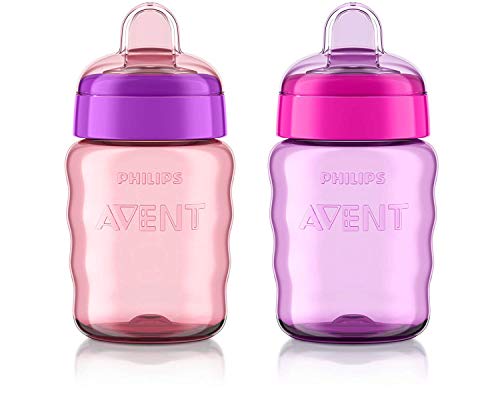
Easiest Sippy Cup to Transition from Bottle
Moving your baby from bottle to sippy cup is a major milestone that can feel daunting. This guide breaks down the cup designs, spout types, and practical strategies that make the switch smooth for both of you.
Why the right cup matters: The easiest sippy cup to transition from bottle is not simply the most popular one on the shelf. It is the cup that matches your baby's current oral motor skills, respects their familiar feeding rhythm, and gently introduces a new drinking motion without frustration. Choosing wisely can reduce tears, spills, and the back-and-forth that often derails the transition.
Understanding the Bottle-to-Cup Transition
Babies become attached to bottles for good reasons. The sucking motion, the warmth, the flow rate, and the comfort of being held all combine into a predictable routine. A sippy cup asks them to coordinate new muscles, a different angle, and often a faster or slower liquid flow. The goal is not to force a sudden break but to offer a bridge that feels familiar enough to try and different enough to progress.
Pediatric guidance generally supports introducing a cup around 6 months of age, when babies can sit with support and bring objects to their mouth. The American Academy of Pediatrics encourages full weaning from the bottle by 12 to 18 months. That timeline leaves plenty of room for gradual practice, and the cup you choose plays a central role in how quickly your baby gains confidence.
Key Skills Your Baby Is Building
- Lip seal and suction control: Moving from the reflexive suck of a bottle to a controlled sip requires practice.
- Two-handed grip: Handles on a sippy cup encourage bilateral coordination and steadying.
- Tilt and flow regulation: Your baby learns to angle the cup and pace the liquid, which is a precursor to open-cup drinking.
- Oral motor development: Different spout shapes exercise the tongue, jaw, and cheeks in new ways.
What Makes a Sippy Cup the Easiest to Transition To?
The word "easiest" is subjective, but in practice, a few design features consistently reduce friction for babies coming directly off a bottle. These are the elements worth prioritizing in your first cup.
Soft Spout
A soft silicone spout closely resembles a bottle nipple in texture and flexibility. For babies who are reluctant to give up the bottle, this familiarity can be the difference between curiosity and refusal. Soft spouts are also gentler on emerging teeth and gums during the teething months. Many pediatric dentists prefer soft spouts for the earliest stage because they do not encourage the same prolonged sucking pattern as a hard spout.
Dual Handles
Handles give small hands something to hold onto while the cup is tilted. They also promote two-handed drinking, which is a natural developmental step toward self-feeding. Removable handles are a bonus because the cup can grow with your baby once the handles are no longer needed.
Gentle Valve or Free-Flow Design
A valve controls how much liquid escapes with each sip. For a first cup, a gentle valve that requires light suction but does not demand vigorous effort is ideal. Some parents prefer a free-flow cup with no valve because it teaches a more natural sipping action, but free-flow cups tend to spill more and can overwhelm a baby who is still learning to pace themselves. A middle-ground valve is often the sweet spot for the earliest transition.
Weighted Base or Angled Neck
A weighted straw or angled neck helps liquid reach the spout even when the cup is tilted only slightly. This is especially useful for younger babies who have not yet mastered the full wrist rotation required to drain a standard cup. It reduces the frustration of tipping the cup and getting nothing.
Easy-to-Clean Construction
A cup with too many small parts becomes a daily chore. Look for a design with a wide mouth, few crevices, and dishwasher-safe components. A cup that is simple to clean is a cup you will actually use consistently, which matters more than any single feature.
Sippy Cup Types Compared
The table below compares the most common sippy cup designs across the features that matter most during the bottle-to-cup transition. Use it to match a cup type to your baby's current stage rather than to a marketing claim.
| Cup Type | Best For | Transition Difficulty | Key Consideration |
|---|---|---|---|
| Soft-spout with handles | First cup, babies 6–9 months | Lowest | Familiar texture, gentle flow, encourages grip |
| Hard-spout with handles | Babies who have already accepted a cup | Moderate | More durable, but less familiar to bottle-fed babies |
| 360-degree rim cup | Second-stage learners, 9–12 months | Moderate to high | Teaches open-cup motion, requires stronger suction |
| Straw cup (weighted or standard) | Babies who prefer straws or need an alternative | Moderate | Builds different oral muscles, useful for on-the-go |
| Open cup (with or without lid) | Advanced learners, 12 months and up | Highest | Best for oral development, but messy during practice |
Top Sippy Cup Picks by Tier
The recommendations below are organized by quality tier rather than by any numeric figure. Each tier reflects the cup's position in the market relative to its peers, not a specific figure. Match the tier to your priorities and your baby's stage.
Basic Soft-Spout Cup with Handles
A straightforward soft-spout cup with two handles and a simple valve. It covers the core features that make the first transition easiest: familiar texture, controlled flow, and an easy grip. Well-specified for its class and simple to clean.
Convertible Soft-Spout to Straw Cup
Starts as a soft-spout cup and converts to a straw cup as your baby's skills grow. This is a solid choice for parents who want one purchase to cover multiple stages. The convertible design is feature-rich for its class and reduces the need for a second cup later.
Weighted-Base Soft-Spout Cup
A soft-spout cup with a weighted base that keeps liquid near the spout regardless of tilt. This design is particularly helpful for younger babies who have not yet mastered angling the cup. The weighted mechanism adds a layer of convenience that many parents find worthwhile.
Premium Soft-Spout Cup with Removable Handles
A premium option with a soft spout, removable handles, and a thoughtfully designed valve that balances easy flow with spill control. Premium materials and a solid build make this a long-term investment that can transition with your baby from first sips to independent drinking.
360-Degree Rim Cup (Second Stage)
Best suited as a second-stage cup after your baby has mastered a soft-spout sippy. The 360-degree rim teaches a natural drinking motion similar to an open cup and supports oral development. Requires stronger suction and coordination, so it is not the first cup for most bottle-fed babies.
Full Transition System Cup Set
A comprehensive set that includes a soft-spout stage, a straw stage, and a 360-rim stage in one system. This is the most complete option for parents who want a guided progression without buying separate cups. Flagship-tier pricing reflects the breadth of the system, and the staged approach is efficient in the long run.
A Step-by-Step Transition Plan
Having the right cup is only half the equation. The other half is how you introduce it. The plan below is designed to be gradual, low-pressure, and responsive to your baby's cues.
Step 1: Offer the Cup When Your Baby Is Relaxed
Do not introduce the cup when your baby is hungry or overtired. Instead, offer it during a calm play session or after a meal when they are content. The goal is exploration, not nutrition. Let them hold it, turn it over, and mouth the spout without any expectation of drinking.
Step 2: Start with a Familiar Taste
Put a small amount of breast milk or formula in the cup first. The familiar taste reduces resistance and helps your baby associate the cup with comfort. Once they accept the cup with familiar liquid, you can introduce water during meals.
Step 3: Model the Motion
Babies learn by watching. Sit with your baby and drink from your own cup, exaggerating the sipping motion slightly. Narrate what you are doing. Many babies will imitate the motion within a few sessions.
Step 4: Replace One Bottle at a Time
Once your baby is comfortable with the cup, replace one bottle feeding per day with the cup. Choose the feeding when your baby is most relaxed, often the midday one. Keep the other feedings as bottles for now. Gradually replace additional bottles as your baby's confidence grows.
Step 5: Be Patient with Setbacks
It is common for babies to accept the cup enthusiastically for a few days and then refuse it. This is normal. Do not force the issue. Offer the cup without pressure, keep the bottle available, and try again a few days later. The transition rarely follows a straight line.
Step 6: Phase Out the Bottle Gradually
Once your baby consistently drinks from the cup during the day, begin phasing out the remaining bottles. The bedtime bottle is often the last to go because it is tied to routine and comfort. Replace it with a cup of water or milk during a calming pre-bed ritual, such as reading a book or singing a song.
Common Challenges and How to Handle Them
My Baby Refuses the Cup Entirely
Try a different spout type or a cup with a different flow rate. Some babies reject a cup because the flow is too fast or too slow. If your baby is breastfed, a soft spout that mimics the breast is often the most accepted. If the refusal persists, pause for a week and try again.
My Baby Chews on the Spout Instead of Drinking
Chewing is a normal exploratory behavior, especially during teething. Offer the cup during mealtimes when your baby is already in a chewing mood, and model sipping repeatedly. If the chewing continues, a slightly firmer spout may redirect the behavior.
My Baby Drinks Too Fast or Too Slow
The valve controls the flow. If your baby is gulping, look for a cup with a slower-flow valve. If your baby is frustrated by slow flow, a free-flow cup or a cup with a faster valve may help. Many cups offer interchangeable valves, so you can adjust without buying a new cup.
My Baby Only Wants the Bottle at Bedtime
The bedtime bottle is often the most emotionally loaded. Replace it gradually by shortening the bottle feeding and adding a cup of water during the pre-bed routine. Keep the comfort rituals, such as cuddling and reading, and let the cup become part of the routine rather than a replacement for comfort.
Safety and Hygiene Notes
- Always supervise your baby when they are using a sippy cup, especially during the early transition.
- Check the spout and valve regularly for cracks or wear, and replace the cup if any damage is visible.
- Clean all parts thoroughly after each use, paying attention to the valve and any small crevices.
- Avoid cups with small detachable parts that could become a choking hazard.
- Do not put sugary drinks or juice in the cup during the transition; water and breast milk or formula are the appropriate choices.
Ready to Choose Your Baby's First Cup?
Browse our curated selection of soft-spout sippy cups and transition systems. Each option is chosen for its suitability during the bottle-to-cup transition.
Explore Top PicksFrequently Asked Questions
What is the easiest sippy cup to transition from a bottle?
A soft-spout sippy cup with dual handles and a gentle valve is generally considered the easiest transition from a bottle. The soft spout feels familiar to babies accustomed to a bottle nipple, while the handles encourage two-handed grip and the valve controls flow to prevent choking. Weighted-base designs can further ease the transition by keeping liquid near the spout regardless of tilt.
When should I start transitioning my baby from bottle to sippy cup?
Most pediatricians recommend starting the transition between 6 and 9 months of age, when babies can sit up with minimal support and show interest in holding objects. The American Academy of Pediatrics suggests weaning from the bottle by 12 to 18 months to protect dental health and encourage independent drinking skills. Starting early with a relaxed, exploratory approach gives your baby time to adjust.
Should I choose a soft spout or hard spout sippy cup?
For the initial transition from a bottle, a soft spout is usually the better choice because it mimics the familiar feel of a bottle nipple. Hard spout cups are better suited for older babies who have already mastered the sipping motion and are ready for a more durable option. Many parents use a soft spout first and then move to a hard spout or 360-degree rim cup as a second stage.
How do I get my baby to accept a sippy cup?
Start by offering the sippy cup during meals or playtime when your baby is relaxed, not when they are hungry or tired. Put a small amount of breast milk or formula in the cup first so the taste is familiar. Let your baby explore the cup without pressure and model sipping from your own cup. Consistency and patience are key. If your baby refuses, pause and try again a few days later.
Are 360-degree cups better than traditional spout cups?
360-degree cups teach a more natural drinking motion similar to an open cup and are excellent for oral development. However, they require stronger suction and coordination, making them better as a second-stage cup after your baby has mastered a soft-spout sippy cup. For the initial bottle-to-cup transition, a soft-spout cup is usually the more accessible first step.
How long should the transition from bottle to sippy cup take?
The transition timeline varies widely. Some babies accept a cup within a few weeks, while others need several months of gradual practice. The key is to follow your baby's cues and avoid forcing the process. Replacing one bottle feeding at a time is a reliable approach. Most babies are fully weaned from the bottle by 12 to 18 months with consistent, patient practice.
Can I put breast milk or formula in a sippy cup?
Yes. Breast milk and formula are appropriate for a sippy cup during the transition, especially in the early stages when familiarity matters. Once your baby is comfortable with the cup, water is the recommended drink for meals and throughout the day. Avoid juice and sugary drinks, which can contribute to dental problems and are not necessary for hydration.
What if my baby chews on the spout instead of drinking?
Chewing is a normal exploratory behavior, especially during teething. Offer the cup during mealtimes when your baby is already in a chewing mood, and model sipping repeatedly. If the chewing continues, a slightly firmer spout may redirect the behavior. If your baby is consistently chewing rather than drinking, consult your pediatrician or a feeding specialist for personalized guidance.
Related Guides
Explore more feeding and gear guides to support your parenting journey:
- Feeding Equipment Guide — A complete overview of bottles, cups, sterilizers, and feeding accessories.
- Formula Feeding and Breastfeeding Newborn — Guidance on combining feeding methods during the newborn stage.
- Extra Slow Flow Bottles for Newborns — Options for babies who need a slower, more controlled flow.
- Essentials for Breastfeeding — Must-have items for breastfeeding mothers.
- Expressed Breast Milk Storage Guidelines — Safe storage and handling practices for pumped milk.
- Finding the Right Formula for Newborn — A guide to choosing an appropriate formula for your baby.