Ultimate Electric Breast Pump Guide
Compare the best electric breast pumps: single, double, wearable, and hospital-grade. Find the right pump for your lifestyle and budget.
Why Choose an Electric Breast Pump?
An electric breast pump is one of the most important tools for a breastfeeding mother. Whether you're returning to work, need to increase milk supply, or want to share feeding duties with your partner, a high-quality electric pump can make all the difference. Unlike manual pumps, electric models are efficient, comfortable, and designed for regular use.
Modern electric breast pumps come with features like adjustable suction levels, massage modes, and even app connectivity. In this guide, we break down the types, key features, and top recommendations to help you make an informed decision.
Types of Electric Breast Pumps
Understanding the different types of electric pumps will help you choose the one that fits your needs:
💪 Single Electric Pump
Pumps one breast at a time. Lightweight, affordable, and great for occasional use. Ideal for stay-at-home moms or those who pump only a few times a week.
⚡ Double Electric Pump
Pumps both breasts simultaneously, saving time and potentially increasing milk supply. The most popular choice for working moms and frequent pumpers.
🏥 Hospital-Grade Pump
Heavy-duty, rental-quality pumps with powerful motors. Designed for multiple users (with personal kits). Often recommended for low milk supply or premature babies.
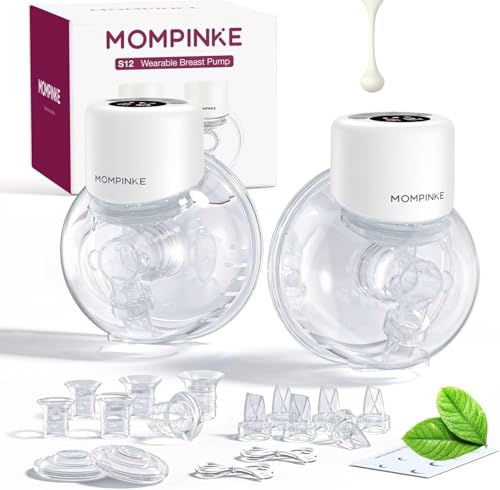
👕 Wearable / Hands-Free Pump
Compact, battery-powered pumps that fit inside your bra. Discreet and portable, perfect for multitasking. Check out our wearable breast pump guide for more details.
If you're looking for ultimate convenience, a hands-free breast pump or a portable breast pump can be a game-changer for your daily routine.
Key Features to Consider
When shopping for an electric breast pump, pay attention to these critical features:
- Suction Strength & Adjustability: Look for a pump with multiple suction levels and a gentle stimulation mode to mimic baby's natural feeding rhythm.
- Comfort: Soft, flexible breast shields (flanges) in multiple sizes are essential to avoid pain and maximize milk output.
- Portability: Consider weight, battery life, and whether the pump comes with a carrying bag or cooler for on-the-go pumping.
- Noise Level: If you plan to pump at work or in public, a quieter motor can be a major advantage.
- Easy to Clean: Closed-system pumps prevent milk from entering the tubing, making cleaning simpler and more hygienic.
- Insurance Coverage: Many insurance plans cover electric breast pumps at no cost. Check with your provider before purchasing.
💡 Pro Tip: A double electric pump with a closed system and adjustable suction is generally the best investment for most moms. It saves time, is easy to maintain, and provides consistent performance.
Price Range & Budget Guide
Electric breast pumps vary widely in price based on type, brand, and features. Here is a general price guide to help you budget:
- Single electric pumps: $50–$150 – Good for occasional use.
- Double electric pumps (standard): $120–$300 – The sweet spot for most families.
- Hospital-grade pumps: $300+ (rental options available) – For specialized needs.
- Wearable/hands-free pumps: $250–$450 – Premium convenience and discretion.
Many top-rated electric breast pumps fall in the $150–$250 range, offering excellent value with advanced features. If you are on a tight budget, consider a portable breast pump that balances cost and performance.
Pros & Cons of Electric Breast Pumps
✅ Advantages
- Fast and efficient, saves time.
- Adjustable suction for comfort.
- Ideal for regular, daily pumping.
- Many are portable and battery-operated.
- Can help maintain or increase milk supply.
❌ Disadvantages
- Higher cost than manual pumps.
- Requires power source (battery or outlet).
- More parts to clean and assemble.
- Some models can be noisy.
- Bulky to carry compared to manual pumps.
For many mothers, the convenience and efficiency of an electric pump far outweigh the downsides, especially when used alongside a breastfeeding consultant for personalized advice.
Top Brands & Recommendations
While preferences vary, some brands consistently receive high marks for quality, durability, and customer support. Below are some of the most trusted names in electric breast pumps:
- Medela: Known for reliable, hospital-grade options and the popular Pump in Style and Sonata models.
- Spectra: Renowned for quiet operation, closed-system design, and superior suction (especially the S1 and S2).
- Elvie & Willow: Leaders in wearable, hands-free pump technology – ideal for active moms.
- Lansinoh: Offers affordable, effective double electric pumps with smart features.
- Evenflo & Ameda: Budget-friendly options that still deliver solid performance.
If you're considering a hands-free option, our wearable breast pump guide compares the top models side-by-side.
Tips for Using an Electric Breast Pump
- Get the right flange size: Using the correct breast shield size is crucial for comfort and efficiency. Most pumps come with multiple sizes.
- Start with massage mode: Many pumps have a stimulation setting to initiate let-down before switching to expression mode.
- Pump in a relaxed environment: Stress can hinder let-down. Try listening to music or looking at photos of your baby.
- Stay hydrated and nourished: Drink plenty of water and eat balanced meals to support milk production.
- Clean parts thoroughly: Follow manufacturer instructions to keep your pump hygienic and in good working order.
- Use a pumping bra: A hands-free breast pump works best with a supportive pumping bra, but you can also use one with any electric pump for convenience.
🧠 Did you know? Many lactation consultants recommend double pumping for 15–20 minutes per session to maintain supply and empty breasts effectively. Storing milk in breast milk storage bags is a convenient way to build a freezer stash.
Frequently Asked Questions
Is an electric breast pump better than a manual one?
Yes, for regular use. Electric pumps are faster, more efficient, and less tiring on your hands. They are especially recommended for working mothers or those who pump multiple times a day.
How often should I replace my breast pump?
Most electric pumps are designed for at least one year of daily use. However, replace any worn or damaged parts (like flanges and valves) every 3–6 months to maintain optimal suction and hygiene.
Can I use a hospital-grade pump at home?
Absolutely. Hospital-grade pumps are available for rent or purchase. They are powerful and durable, making them ideal for moms with low supply, premature babies, or those who pump frequently.
Are wearable breast pumps as effective as traditional pumps?
Modern wearable pumps like Elvie and Willow are very effective for many mothers. While they may have slightly less powerful motors than some hospital-grade pumps, they offer unmatched convenience and discretion. Read our full wearable breast pump guide for a detailed comparison.
What is the best electric breast pump for a first-time mom?
A double electric pump with adjustable suction and a closed system (like Spectra S2 or Medela Pump in Style) is an excellent choice for first-time moms. It offers great performance, is easy to use, and can adapt to your needs as you learn.
Ready to Choose Your Pump?
We hope this guide has given you the clarity you need to select the perfect electric breast pump for your journey. Remember, the right pump is one that fits your lifestyle, comfort needs, and budget. Browse our recommended products below and find the best deal today.
If you're also preparing for your baby's arrival, check out our guides on newborn swaddle blankets, changing tables, and humidifiers for newborns to complete your nursery setup.