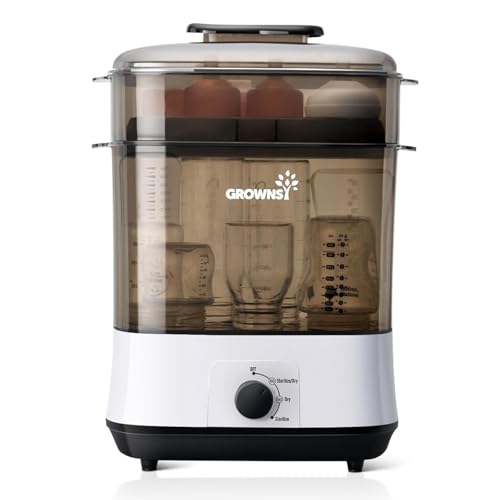
Electric Bottle Steriliser: The Complete Buying Guide
Everything you need to know about choosing, using, and maintaining an electric bottle steriliser for your baby's feeding equipment.
START EXPLORINGWhy an Electric Bottle Steriliser Matters: Newborns have developing immune systems, which makes proper sterilisation of feeding equipment a daily priority. An electric bottle steriliser uses steam or UV light to eliminate harmful bacteria, viruses, and other microorganisms from bottles, nipples, pacifiers, and breast pump parts. This guide walks you through every feature, safety consideration, and practical tip so you can choose with confidence.
What Is an Electric Bottle Steriliser and Why Do You Need One?
An electric bottle steriliser is a countertop appliance designed to sanitise baby feeding items using either steam generated from boiling water or ultraviolet (UV) light. Unlike microwave sterilizers or boiling pots, electric units plug into a standard outlet and offer controlled, hands-free sterilisation cycles that are consistent and repeatable.
Paediatric health organisations generally recommend sterilising feeding equipment for at least the first three months of a baby's life, and many parents continue well beyond that. A dedicated electric steriliser simplifies this routine significantly. Here is why it earns a permanent spot on the kitchen counter:
- Consistency: Controlled cycles deliver a reliable level of sterilisation every time, removing guesswork.
- Convenience: Load the unit, press a button, and walk away. No pots boiling on the stove.
- Capacity: Most models hold between six and twelve bottles along with nipples, rings, and caps in a single cycle.
- Drying function: Many premium models include a hot-air drying phase that removes residual moisture, reducing the risk of recontamination.
- Safety features: Auto shut-off, cool-touch exteriors, and locking lids protect both baby and caregiver.
If you are still assembling your feeding station, our feeding equipment guide covers how a steriliser fits alongside bottles, warmers, and cleaning tools.
Steam vs UV Sterilisation: How the Two Technologies Compare
The two dominant technologies in the electric steriliser market are steam-based systems and UV-light cabinets. Each has distinct strengths, and the right choice depends on your daily routine, the materials you need to sterilise, and how much counter or cabinet space you have.
Steam Sterilisation
Steam sterilisers heat water to a rolling boil and circulate the steam at temperatures around 100°C for several minutes. This method reaches every surface of the bottles and nipples, including narrow necks and small crevices that are difficult to wipe clean. Steam is effective against bacteria, viruses, and spores, and it works with virtually all bottle materials: glass, polypropylene, silicone, and natural rubber.
The main drawback is moisture. After the cycle, items remain wet unless the unit includes a drying phase. Many mid-range and premium steam sterilisers add a hot-air drying stage that leaves bottles ready to use immediately. Our feeding bottle steam sterilizer page explores this category in more depth.
UV Sterilisation
UV cabinets use ultraviolet light to disrupt the DNA of microorganisms. They operate dry, which means no condensation and no wet bottles at the end of the cycle. UV cabinets often double as storage units, keeping sterilised items sealed from the environment until you need them.
However, UV light does not penetrate opaque or thick materials, and some plastics can yellow or degrade with prolonged UV exposure. Silicone nipples may also discolor over time. UV works best for glass bottles, clear plastics, and items that are already dry. For a comparison of the electric variants, see our electric feeding bottle sterilizer overview.
Key Features to Evaluate Before Choosing
Not every electric bottle steriliser is built to the same standard. When comparing models, focus on the following criteria to match the appliance to your household's real-world needs.
Capacity
Think about how many bottles your baby uses per day and how often you want to run a cycle. A six-bottle capacity suits most newborns; larger families or exclusive pumpers benefit from eight to twelve. Check whether the unit accommodates tall bottles and wide-neck designs.
Drying Function
A hot-air drying stage saves time and reduces the need to air-dry items on a rack. Models with adjustable drying time give you more control. Consider our drying rack guide if you prefer a passive drying approach between sterilisation cycles.
Cycle Time
Sterilisation cycles typically range from six to fifteen minutes, with drying adding additional time. Shorter cycles are useful for overnight feeds; longer cycles often include a more thorough dry.
Safety Features
Auto shut-off when the water reservoir runs dry is essential. Look for cool-touch exteriors, locking lids, and non-slip bases. Some models include child-lock controls.
Material Compatibility
Check the manufacturer's guidance for glass, silicone, polypropylene, and natural rubber. Steam units are generally compatible with all common feeding materials. UV units may cause gradual discoloration of certain plastics.
Maintenance and Descaling
Steam sterilisers accumulate mineral deposits, especially in hard-water areas. Choose a model with an accessible heating plate and a clear descaling indicator. Regular descaling preserves performance and hygiene.
Footprint and Storage
Measure your counter space before committing. Some units are modular, with removable baskets that convert into storage. Compact models suit smaller kitchens; larger units may offer a drying tray that doubles as a storage rack.
Noise Level
Steam cycles are typically quiet, but drying fans can produce noticeable noise. If you sterilise at night near sleeping areas, check reviews or specifications for decibel ratings.
Market Tiers: Finding the Right Fit for Your Household
Electric bottle sterilisers are available across a range of market tiers. Rather than focusing on numeric figures, it helps to understand what each tier typically delivers in terms of build quality, features, and longevity. The table below uses universal quality descriptors to classify the market.
| Tier | Typical Characteristics | Best For |
|---|---|---|
| Entry-level | Basic steam sterilisation, manual water measurement, limited capacity, no drying function, simpler controls. | Parents who sterilise occasionally, have a small bottle collection, or need a secondary unit for travel. |
| Mid-range | Larger capacity, included drying cycle, digital timer, auto shut-off, removable baskets, descaling indicator. | Most families with daily sterilisation needs who want a balance of features and durability. |
| Premium | Advanced drying with adjustable time, faster cycles, modular design with storage function, quieter operation, enhanced safety locks. | Exclusive pumpers, families with twins, or households that prioritise convenience and long-term reliability. |
| Luxury / top-tier | Combined steam and UV options, smart controls, app connectivity, premium materials, extended warranty, design-forward aesthetics. | Parents who want the highest level of convenience and are investing in a long-term kitchen appliance. |
Entry-level units are functional and straightforward, but they often lack a drying phase, which means bottles emerge wet and must be air-dried or wiped. Mid-range models add drying and larger capacity, making them the most common choice for daily use. Premium and top-tier units focus on speed, quietness, and storage integration. If you are also considering a steam steriliser with advanced drying, the premium tier is where those features concentrate.
Advantages and Limitations of Electric Sterilisers
Understanding the trade-offs helps set realistic expectations. Electric sterilisers are not without limitations, but for most families the benefits far outweigh the drawbacks.
Advantages
- Hands-free operation with automatic cycles
- Consistent sterilisation results every time
- Frees up stovetop space and reduces pot scrubbing
- Many models include drying, reducing recontamination risk
- Accommodates a full day's bottle set in one load
- Built-in safety shut-off protects the appliance
- Some units double as storage cabinets for sterilised items
Limitations
- Occupies counter space on a permanent basis
- Steam units require regular descaling in hard-water areas
- UV units may cause gradual discoloration of some plastics
- Drying fans can add noticeable noise
- Requires a nearby power outlet
- Larger capacity units may not fit under low cabinets
How to Use an Electric Bottle Steriliser Safely and Effectively
Proper usage extends the life of the appliance and ensures hygienic results. Follow these steps for a reliable routine:
- Clean first: Sterilisation does not remove milk residue. Wash bottles and nipples with warm soapy water and a bottle brush before loading. For more on bottle care, see our feeding equipment guide.
- Measure water accurately: Use the markings on the reservoir or the included measuring cup. Too little water risks dry-boil; too much lengthens the cycle.
- Load correctly: Place bottles upside down so steam reaches the interior. Separate nipples, rings, and caps so steam circulates freely.
- Do not overfill: Leave space between items for steam to move. Crowded loads may not sterilise evenly.
- Use the drying function: If your model has it, run the dry cycle to remove residual moisture. Handle dried items with clean hands.
- Descale regularly: Follow the manufacturer's instructions, typically using a citric-acid-based descaler or a vinegar solution. Frequency depends on water hardness.
- Store properly: Keep sterilised items in a clean, covered container if not used immediately. Many steriliser baskets double as storage.
For parents who pump, the steriliser should also accommodate breast pump parts. Our electric breast pump guide covers compatible accessories and cleaning routines.
Maintenance and Descaling: Keeping Your Steriliser in Top Condition
Mineral scale is the leading cause of reduced performance in steam sterilisers. As water evaporates, calcium and magnesium deposits build up on the heating plate, which slows steam production and can eventually trigger a safety shut-off. Regular descaling keeps cycles short and effective.
Most manufacturers recommend descaling every two to four weeks, depending on water hardness. Use a dedicated descaler or a diluted white vinegar solution, run a short cycle, then rinse the reservoir thoroughly. Never use abrasive scouring pads on the heating plate, as scratches create nucleation points for further scale.
Beyond descaling, wipe the exterior with a damp cloth and check the lid seal for wear. Replace worn seals promptly to maintain steam pressure. If your unit has a removable drying filter, clean or replace it according to the manual. These small habits extend the appliance's service life considerably.
Safety Considerations Every Parent Should Know
Electric sterilisers generate heat and steam, so a few precautions are essential:
- Place the unit on a stable, heat-resistant surface away from the edge of the counter.
- Keep the lid closed during operation; opening mid-cycle releases scalding steam.
- Allow the unit to cool before removing items, or use the drying cycle to reduce residual heat.
- Never immerse the base in water or place it in a dishwasher.
- Keep the power cord away from hot surfaces and out of reach of toddlers.
- Check that the unit has an auto shut-off feature and use it as intended; do not bypass safety mechanisms.
- Unplug before cleaning or descaling.
If you are also setting up a bottle-feeding station, our feeding equipment guide covers complementary safety practices for bottles, warmers, and cleaning tools.
Frequently Asked Questions
How often should I sterilise baby bottles?
Health organisations generally recommend sterilising feeding equipment before every use for newborns and infants under three months, and especially if your baby was premature. After that, many parents continue daily sterilisation until the baby starts crawling and mouthing objects. Always follow your paediatrician's guidance for your specific situation.
Can I sterilise breast pump parts in an electric bottle steriliser?
Yes, most electric steam sterilisers accommodate breast pump parts, including shields, valves, and collection bottles. Check the manufacturer's material compatibility list first. Silicone parts are generally safe in steam, while some UV cabinets may cause gradual discoloration. Always disassemble parts before sterilising.
Do I need a steriliser with a drying function?
A drying function is not strictly necessary, but it is highly convenient. Wet bottles must air-dry or be wiped, which introduces handling and potential recontamination. A drying cycle leaves items ready to use immediately and reduces the risk of moisture-related issues. For most daily routines, a model with drying is worth considering.
How do I descale my electric bottle steriliser?
Follow the manufacturer's instructions. Typically, you add a descaling solution or a diluted white vinegar mixture to the water reservoir, run a short cycle, then rinse thoroughly. Descale every two to four weeks depending on water hardness. Regular descaling prevents scale build-up on the heating plate and keeps cycles efficient.
Is steam or UV sterilisation better for baby bottles?
Steam is more versatile because it reaches every surface of bottles and nipples, including narrow necks, and is compatible with all common materials. UV is dry and convenient for storage-ready items but may not penetrate opaque materials and can cause gradual discoloration of some plastics. The best choice depends on your bottle materials, routine, and whether you prioritise drying convenience or material versatility.
How long does a sterilisation cycle take?
Steam sterilisation cycles typically run from six to fifteen minutes, depending on the model and load size. If a drying phase is included, add another ten to thirty minutes. Some premium units offer faster cycles. Always follow the manufacturer's recommended cycle time for effective sterilisation.
Ready to Compare Electric Bottle Sterilisers?
Explore our curated selection of recommended models below. Filter by capacity, drying function, and tier to find the right fit for your family.
View Recommended Models